
- 1800 6129

Easy-to-grow climbing plants are becoming a popular choice for home gardens, rooftop farms, balconies, and greenhouse models thanks to their ability to grow vertically, save space, create shade, and provide fresh produce. From cucumbers and passion fruit to bitter melon, bottle gourd, cherry tomatoes, grapes, and melons, many climbing plants can thrive well when supported by a proper trellis, frame, or tying system. Let’s explore 10 easy-to-grow climbing plants with SIAM Brothers Vietnam in the article below.
Climbing plants are plants that grow by climbing, creeping, or attaching themselves to a trellis, frame, fence, net, or support string. Because they grow vertically, they are especially suitable for limited spaces such as balconies, rooftops, small gardens, and mini greenhouses.
One major advantage of climbing plants is their ability to optimize space. Instead of spreading across the ground, they can be trained upward, making the growing area cleaner, easier to manage, and more efficient. For fruiting plants, vertical growing also helps keep fruits off the ground, reducing damage and making harvesting easier.
Many climbing plants are also highly practical. Some provide shade, some create a green living space, while others produce vegetables or fruits for daily meals. For households, they are a great way to grow fresh produce at home. For greenhouses and small farms, crops such as cucumbers, tomatoes, and melons can be arranged in rows and trained vertically to improve space efficiency and simplify care.
Source: Internet
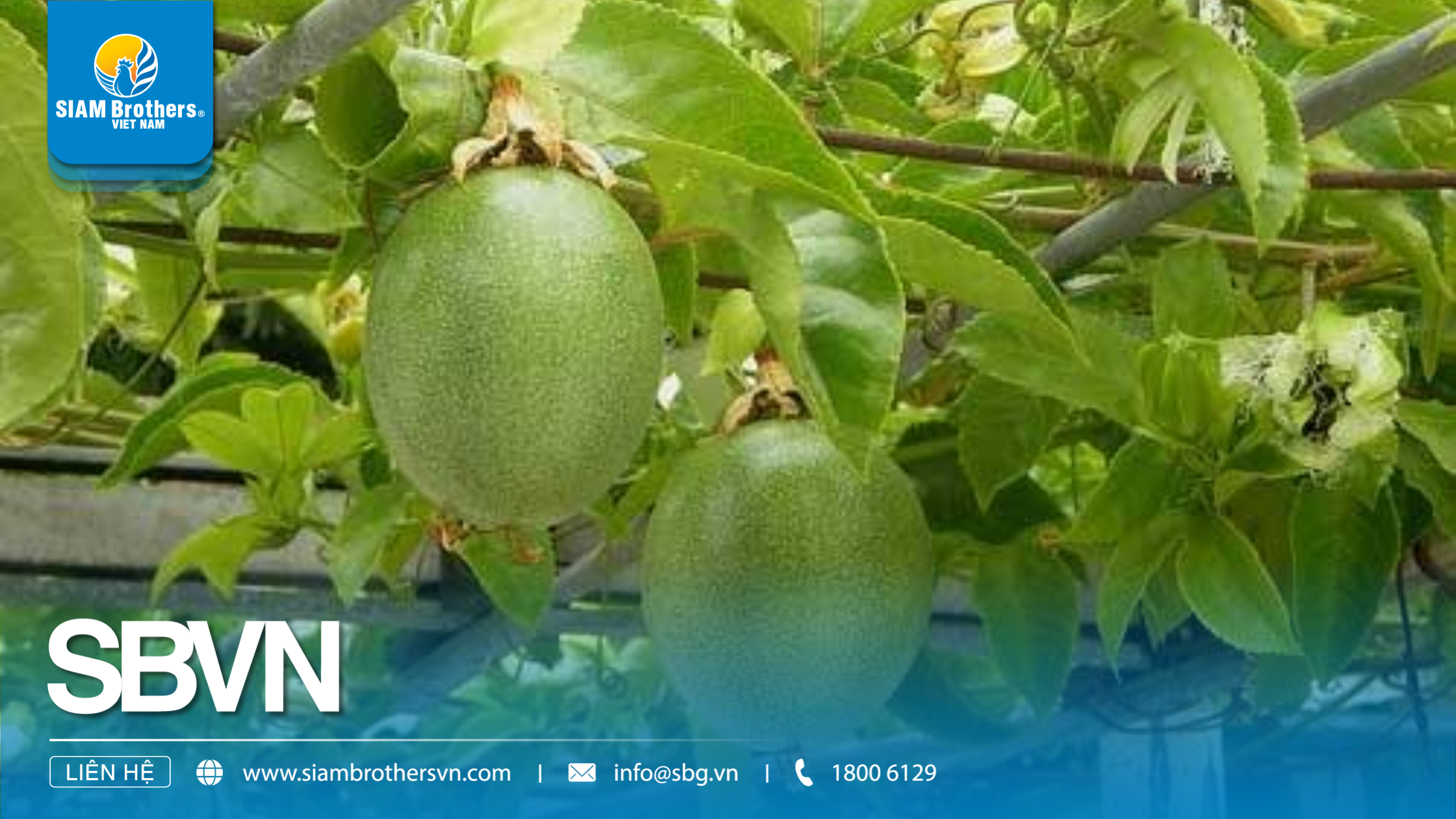
Passion fruit is a vigorous climbing plant that grows well in warm and humid climates. It has strong vines, green foliage, attractive flowers, and fruits with a distinctive sweet-sour flavor. Passion fruit is commonly grown on high trellises, fences, or garden frames.
To grow passion fruit effectively, prepare loose, well-drained soil and a sturdy trellis system. As the vine develops, guide it along the support structure so the canopy spreads evenly and receives enough sunlight. Passion fruit is suitable for home gardens, farms, and fence-side planting areas.
Source: Internet
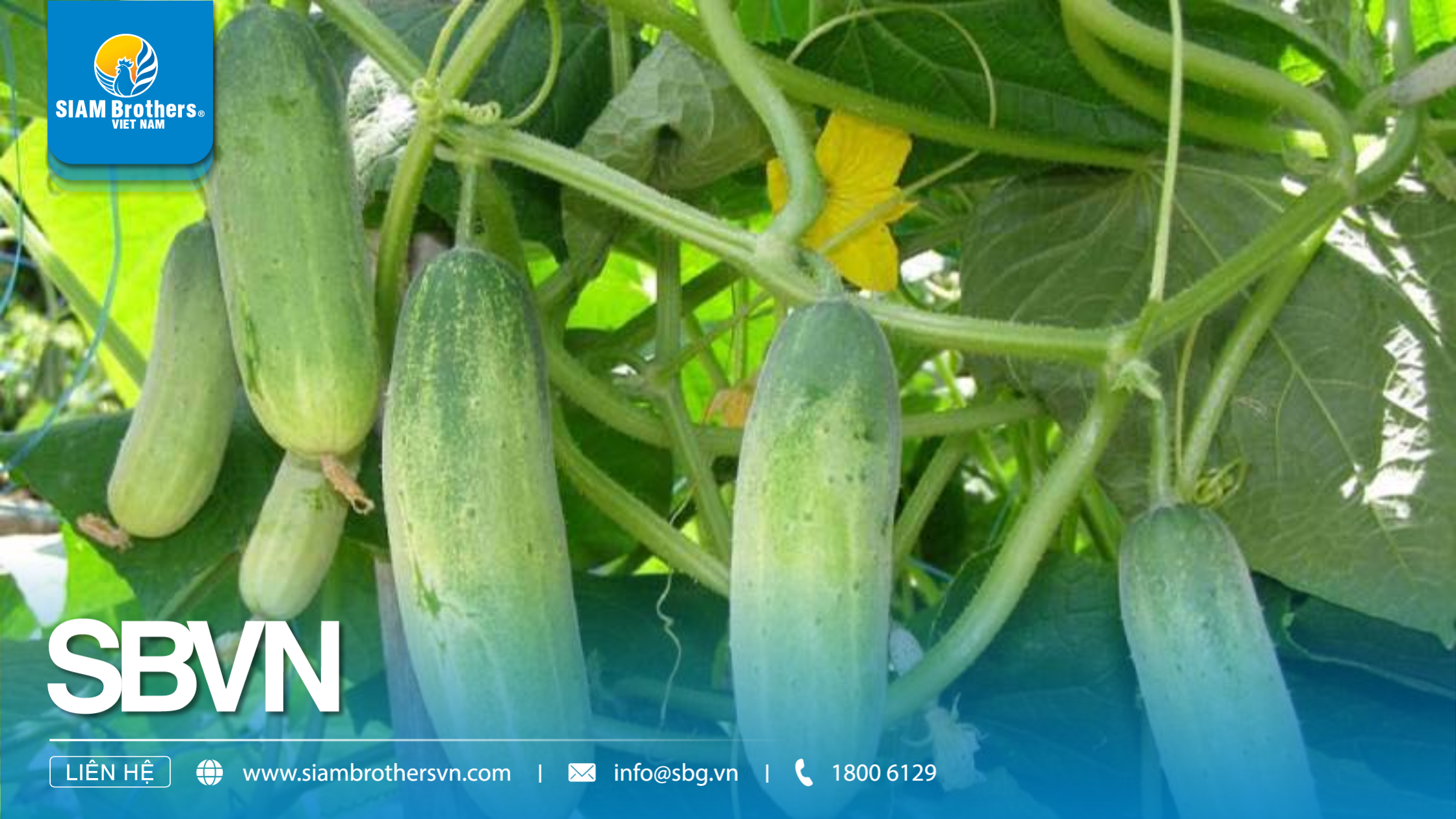
Cucumber is one of the easiest climbing vegetables to grow. It grows quickly, produces fruit in a short period, and is suitable for gardens, balconies, rooftops, and greenhouses. Cucumbers need a trellis or support system to help the stems grow upright and keep the fruits cleaner and straighter.
When growing cucumbers, provide enough water while avoiding waterlogging. Good airflow is also important, especially in greenhouses, because overly humid conditions may increase the risk of fungal diseases. Training cucumbers vertically helps save space and makes harvesting more convenient.
Sponge gourd is a familiar climbing vegetable in many Vietnamese home gardens. It grows quickly, is relatively easy to care for, and can produce fruit continuously when given proper conditions. Sponge gourd needs a tall, airy trellis so the vines can spread and the fruits can hang naturally.
This plant prefers sunny locations, nutrient-rich soil, and good drainage. Because the vine can grow widely, the trellis should be strong enough to support leaves, stems, and fruits. Sponge gourd is suitable for home gardens, fences, and open growing areas.
Bottle gourd is another easy-to-grow climbing plant that performs well in tropical climates. It has strong vines, large leaves, and relatively large fruits, so a strong trellis is essential during the fruiting stage.
Bottle gourd can be grown in gardens, along fences, or under high trellis systems. As the fruits grow, check the trellis regularly to ensure it remains stable. For larger fruits, growers may use additional string or net supports to prevent the fruits from pulling too heavily on the vine.
Bitter melon, also known as bitter gourd, is a climbing plant that grows well in warm and sunny conditions. It can be planted in gardens, large containers, or foam boxes if there is a suitable support system.
One advantage of bitter melon is that it does not require too much horizontal space. For balconies or rooftops, growers can use vertical trellises, A-frame supports, or climbing nets to guide the vines upward. This makes bitter melon a practical choice for people who want to grow edible plants in small spaces.
Winged bean is a fast-growing climbing plant that is easy to cultivate in tropical climates. It requires a trellis, fertile soil, and good sunlight. The pods are commonly used in meals, making this plant a good choice for home gardens and self-sufficient growing models.
For best results, set up the trellis early so the plant can climb properly from the beginning. If the vines are left to spread freely, they may become tangled, making care and harvesting more difficult.
Source: SIAM Brothers Vietnam
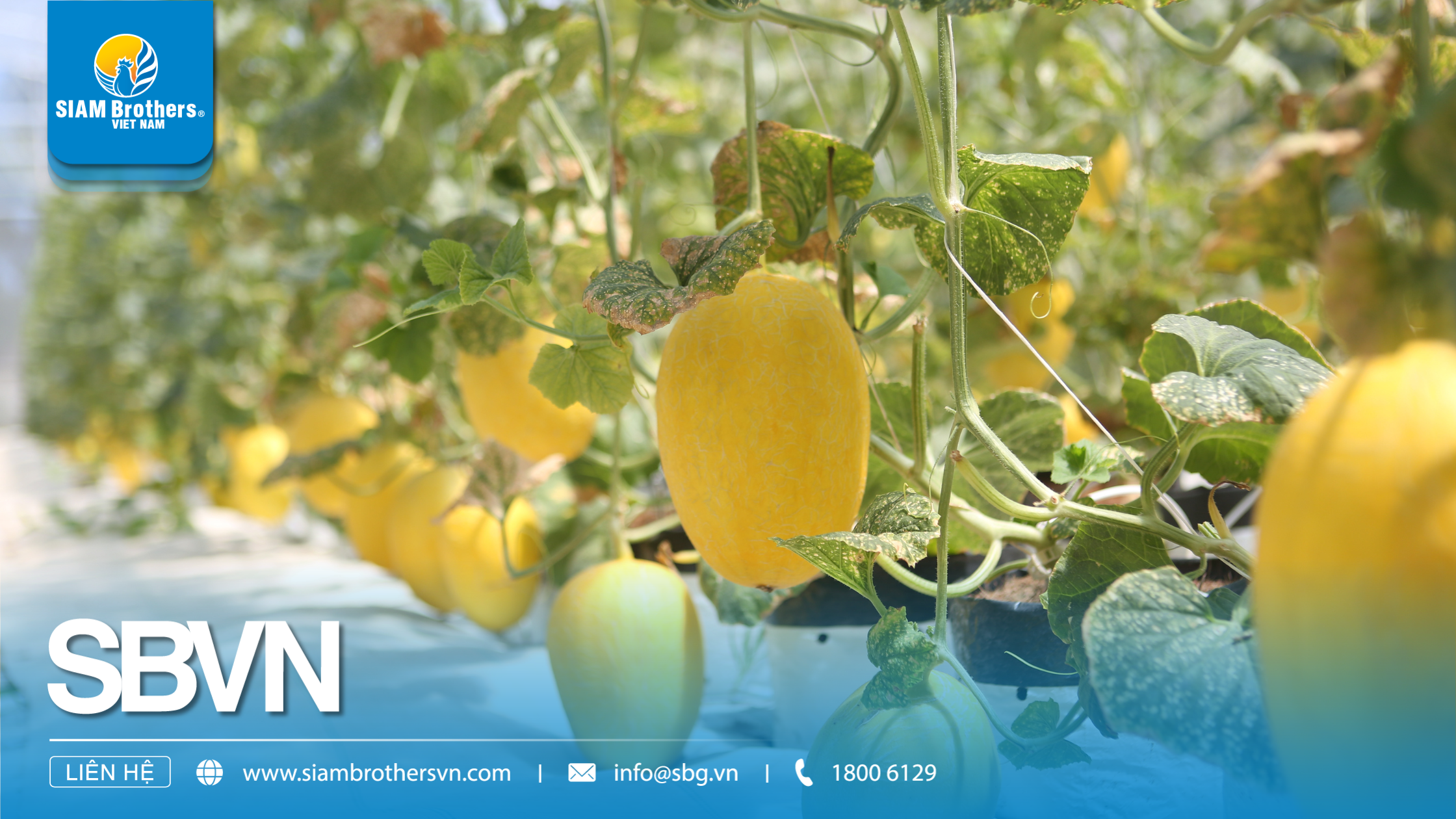
Melon is a high-value crop that is increasingly popular in greenhouses, rooftop gardens, and high-tech farming models. It produces attractive, sweet fruits and can be grown vertically to save space.
When growing melons on a trellis, fruit support is very important. Because the fruits can become heavy, they should be supported with strings, fruit nets, or slings to prevent stem breakage or fruit drop. Melons are most suitable for greenhouses, covered rooftops, or growing systems where water, nutrients, and pests can be managed carefully.
Climbing tomatoes and cherry tomatoes are suitable for large pots, foam boxes, small gardens, and greenhouses. They need plenty of sunlight, loose soil, and a support system such as stakes, strings, or trellises to keep the stems upright.
As the plant grows, growers should prune side shoots and tie the main stem to the support structure. This helps improve airflow, reduce disease risk, and make harvesting easier. Cherry tomatoes are especially suitable for balconies and rooftop gardens because they are compact and productive.
Source: SIAM Brothers Vietnam
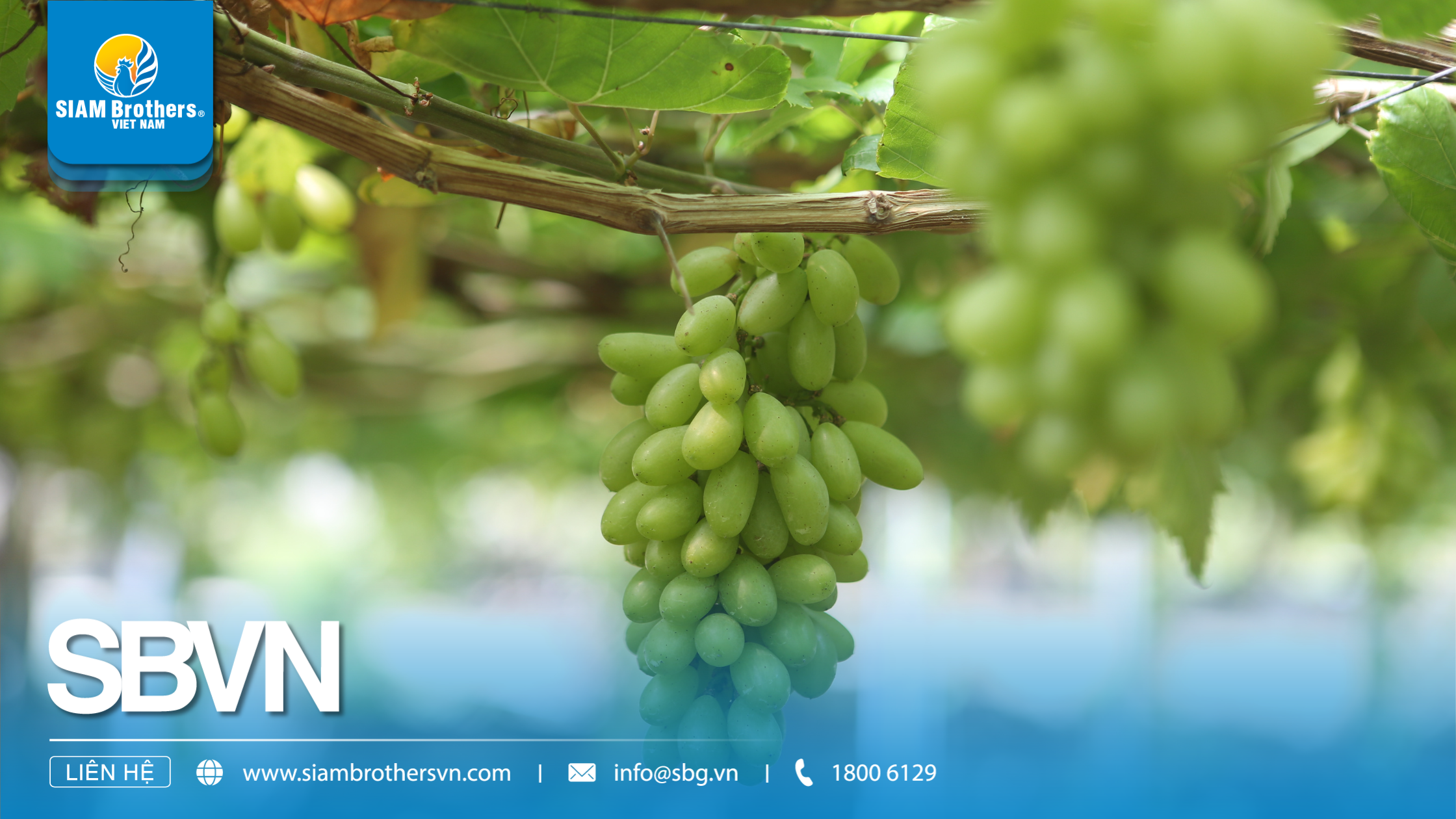
Grapevine is a climbing fruit plant that attaches itself to trellises using tendrils. It is suitable for gardens, pergolas, and sunny outdoor spaces. A grape trellis not only provides fruit but can also create shade and enhance the look of a garden.
Grapes require good sunlight, well-drained soil, and regular pruning. Compared with some fast-growing vegetables, grapevines need more time and care, but they can become a long-term feature in a home garden if maintained properly.
Winter melon is a climbing plant that produces large fruits and is best suited for spacious gardens or small farms. It grows strongly and needs a solid trellis system to support its stems, leaves, and fruits.
Because the fruits can become heavy, growers should use additional support such as strings, nets, or fruit slings. Winter melon prefers loose, fertile, well-drained soil and sufficient sunlight. It is a good choice for growers who have enough space and want a productive climbing crop.
|
Growing Space |
Suitable Plants |
Why They Are Suitable |
|
Balcony / Rooftop |
Cucumber, bitter melon, cherry tomato, winged bean |
Easy to grow in containers, suitable for vertical trellises, and space-saving |
|
Home Garden |
Sponge gourd, bottle gourd, winter melon, passion fruit |
Suitable for larger trellises and wider growing areas |
|
Greenhouse |
Cucumber, tomato, melon |
Easier to manage water, nutrients, temperature, and pests |
|
Fence / Pergola |
Passion fruit, grapevine, sponge gourd, bottle gourd |
Can create shade, greenery, and fruit production |
|
Farm / Commercial Growing |
Melon, cucumber, tomato, passion fruit |
Can be arranged in rows and managed for better productivity |
Most climbing plants need a trellis, stake, net, or support string to grow vertically. For heavy-fruited plants such as bottle gourd, winter melon, and melon, the trellis must be strong enough to support the plant during the fruiting stage. If growing on a balcony or rooftop, make sure the trellis is safely installed and suitable for the available space.
Most fruiting climbing plants need plenty of sunlight to grow well, flower, and produce fruit. Cucumbers, passion fruit, sponge gourd, bitter melon, tomatoes, and melons generally perform better in bright locations. For balcony planting, choose an area with good morning sunlight or a position that is not heavily shaded.
If climbing plants become too dense, humidity may increase within the foliage, creating favorable conditions for pests and fungal diseases. Remove old leaves, weak branches, and overcrowded growth when needed. In greenhouses, airflow is especially important because high humidity can affect plant health.
Climbing plants usually grow quickly, so they need sufficient water and nutrients. However, overwatering can cause root problems, especially in containers. Make sure pots or growing beds have good drainage. Organic fertilizer, compost, or suitable plant nutrients can be added based on the growth stage of each plant.
For plants with heavy fruits such as melon, winter melon, bottle gourd, and other large gourds, additional support is recommended. Fruit nets, soft strings, or slings can reduce pressure on stems and prevent fruit drop. This is especially useful for vertical growing systems.
To grow climbing plants successfully, growers should prepare basic materials such as pots, soil, trellis frames, climbing nets, tying strings, stakes, pruning scissors, and watering tools. Among these, the trellis and support strings play an important role in guiding the plant upward and keeping the growing area organized.
When choosing tying strings or support ropes, growers should select materials that are easy to handle, durable enough for outdoor use, and gentle enough not to damage plant stems. For long-term planting in gardens, greenhouses, or farms, the support material should be able to withstand moisture, sunlight, and repeated use throughout the growing season.
Easy-to-grow climbing plants are suitable for many spaces, from balconies and rooftops to home gardens, greenhouses, and farms. Plants such as passion fruit, cucumber, sponge gourd, bottle gourd, bitter melon, winged bean, melon, climbing tomato, grapevine, and winter melon help make use of vertical space while adding greenery, shade, and fresh produce.
To grow climbing plants effectively, choose plants that match your space, prepare a strong trellis, provide enough sunlight, water and nutrients, and monitor stems, branches, and fruits as they develop. For heavy-fruited plants, additional support such as strings, nets, or slings can help keep the plant stable and reduce damage during the growing period.
Read more: How Is Growing Tomatoes in a Greenhouse Different from Growing Them Outdoors?
Source: SIAM Brothers Vietnam
FAQ - Frequently Asked Questions About Easy-to-Grow Climbing Plants
A: Cucumbers, sponge gourds, bottle gourds, bitter melon, winged beans, and passion fruit are among the easiest climbing plants to grow at home. They adapt well to warm climates and can be grown in gardens, balconies, or rooftops with a proper trellis system.
A: Yes. For small balconies, choose plants that are easy to manage, such as cucumber, bitter melon, cherry tomato, or winged bean. Use a large enough pot, a compact trellis, and a location with suitable sunlight.
A: Most climbing plants need a trellis, stake, net, or support string to grow vertically. A trellis helps save space, keeps fruits cleaner, improves airflow, and makes care and harvesting easier.
Contact us:
Address: 5th floor, VRG Building, 177 Hai Ba Trung Street, Vo Thi Sau Ward, Ho Chi Minh City, Vietnam
Tel: (+84) 28 38 912 889
Hotline: 1800 6129
Facebook: www.facebook.com/siambrothersvn
Email: info@sbg.vn
YouTube: youtube.com/@siambrothersvietnam1728
OA Zalo: zalo.me/1402339229697925373
App SBVN ID:
CHPlay: https://bit.ly/SBVNID-Android
Appstore: https://bit.ly/SBVNID-iOS








Specializing in Agricultural and Fisheries Products & Multipurpose Wire