- 1800 6129

10 Interesting Facts About Greenhouses not only help you better understand modern agricultural systems but also reveal many surprising details behind high-tech farms. From the fact that plants can experience “stress” to greenhouses being significantly warmer than the outside environment, and the widespread adoption of automation technologies, these factors demonstrate how much agriculture has evolved over the years. Let’s explore these fascinating facts with SIAM Brothers Vietnam through this article.
A greenhouse is a structure made from transparent materials such as plastic film or glass, designed to create a controlled growing environment that is more stable than natural outdoor conditions. This system allows growers to regulate temperature, humidity, light, and other factors to support year-round crop production.
As climate change becomes increasingly unpredictable, greenhouses are emerging as a key solution for modern agriculture in many countries, including Vietnam.
Many people assume that greenhouses are only suitable for large-scale agricultural enterprises. In reality, mini-greenhouses and small greenhouse systems are increasingly being adopted by households and cooperatives to improve production efficiency.
It may sound surprising, but plants can react to unfavorable conditions in ways that are somewhat similar to humans.
When exposed to excessive heat, water shortages, insufficient sunlight, or pest attacks, plants may show signs such as:
Slower growth
Reduced flowering
Lower yields
Increased susceptibility to diseases
This is why modern greenhouse systems focus heavily on environmental control to minimize stress factors affecting crops.
Source: SIAM Brothers Vietnam
One fact that surprises many people is that temperatures inside a greenhouse can be 5–10°C higher than the outside environment on hot sunny days.
This happens because sunlight passes through the greenhouse covering, while heat becomes trapped inside, creating a warming effect.
To prevent crops from suffering heat stress, modern farms often use:
Ventilation fans
Cooling pad systems
Automated shading systems
Temperature sensors
These technologies help maintain optimal growing conditions throughout the cultivation cycle.
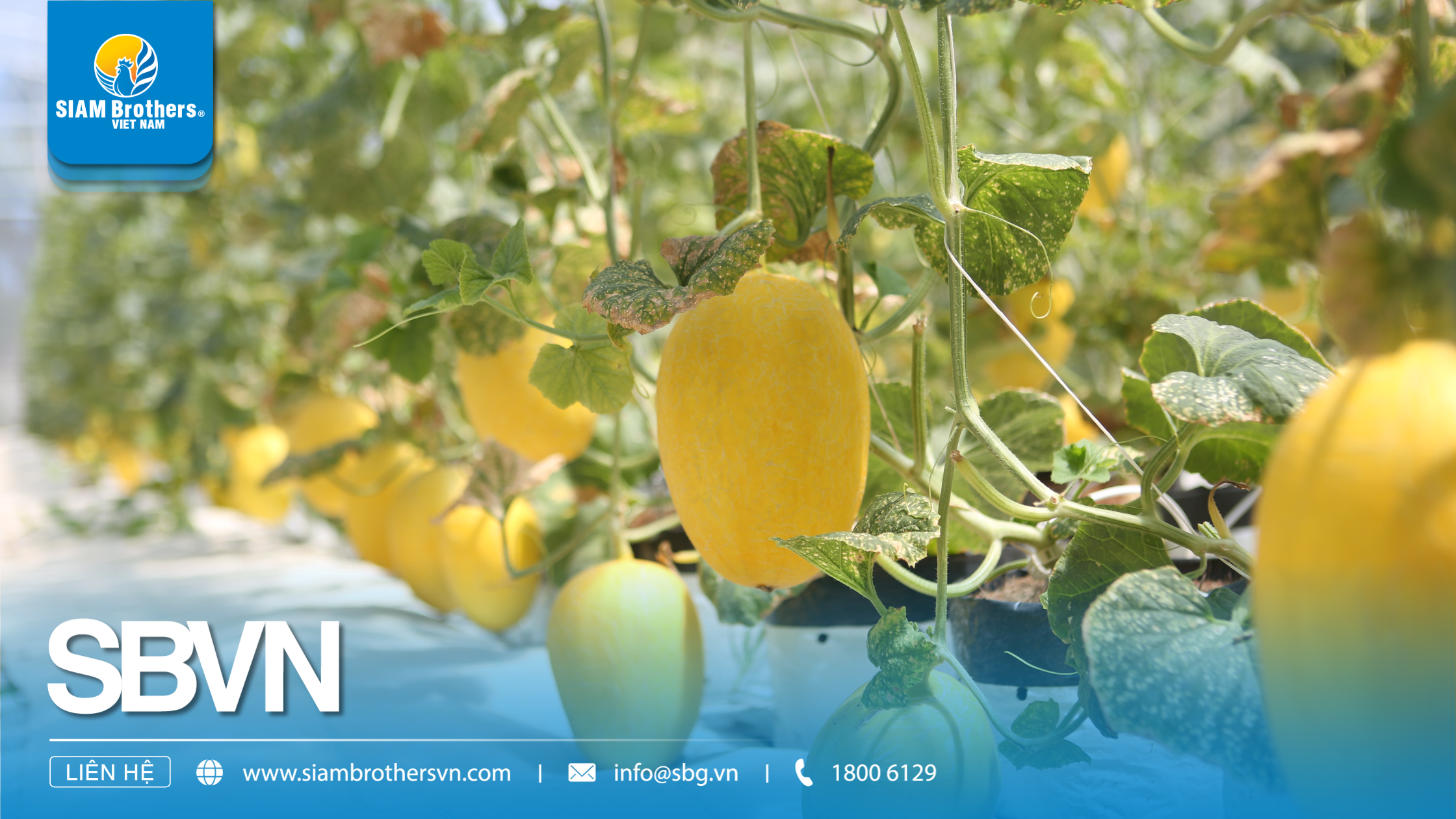
If you have ever visited a high-tech melon farm, you may have noticed that most melons are suspended rather than resting on the soil.
Using trellising and support systems helps:
Reduce disease risks
Minimize pest damage
Improve fruit shape
Increase market value
This technique is widely used in export-oriented melon production.
Source: SIAM Brothers Vietnam
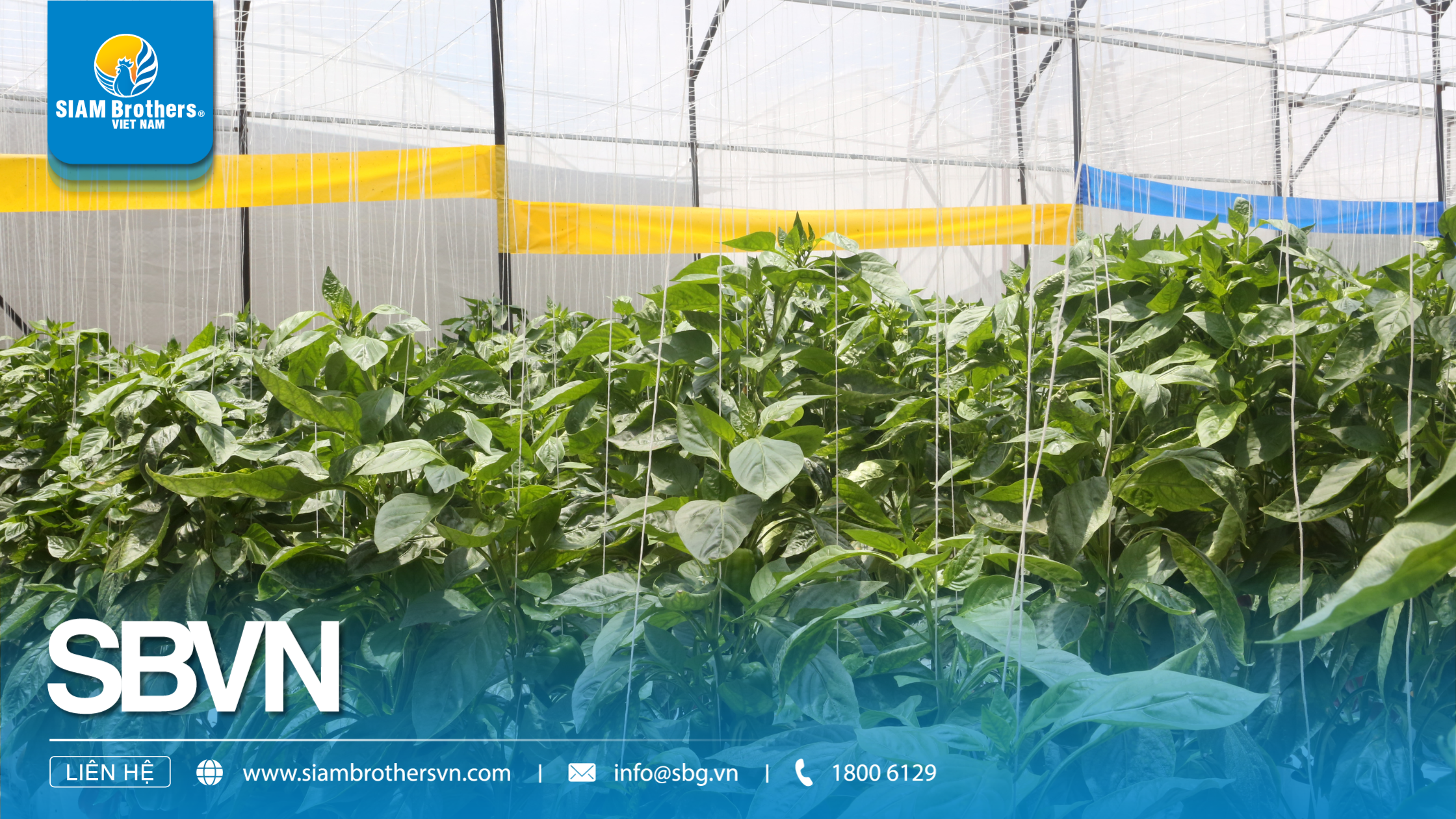
Inside greenhouses, crops such as:
Tomatoes
Cucumbers
Melons
Bell peppers
are commonly trained to grow vertically using support systems.
This method maximizes space utilization and allows more plants to be grown within the same area.
Greenhouse twine plays an important role in supporting plant stems, helping crops grow upright and reducing the risk of lodging when carrying heavy fruit loads.
Many people believe fruit sweetness depends only on variety or fertilizer. However, light exposure is also a critical factor.
When plants receive sufficient sunlight:
Photosynthesis becomes more efficient
Sugar content increases
Fruit coloration improves
Overall crop quality is enhanced
This is one reason why greenhouse operators pay close attention to light management.
Source: SIAM Brothers Vietnam
Under ideal temperature and humidity conditions, cucumbers can grow remarkably fast.
Many growers observe that cucumber fruits can increase in length by several centimeters overnight.
This highlights the importance of maintaining stable environmental conditions throughout cultivation.
Today, many farms are integrating IoT technology and automation into their production systems.
Temperature sensors
Humidity sensors
Automated irrigation systems
Automated fertigation systems
Remote control through smartphones
These solutions allow growers to manage thousands of square meters of greenhouse space with minimal effort.
One of the most exciting trends in agriculture today is growing crops using nutrient solutions instead of traditional soil.
This method offers several advantages:
Water conservation
Reduced pest and disease pressure
Better nutrient management
Faster crop growth
Many leafy vegetables are now produced entirely through hydroponic systems inside greenhouses.
In the past, many crops could only be grown during specific times of the year.
With greenhouse technology, growers can:
Schedule planting more flexibly
Reduce weather-related risks
Increase the number of production cycles annually
Ensure a stable supply of produce
This is one of the greatest advantages of greenhouse cultivation.
The combination of:
Greenhouses
Automation
Smart sensors
Digital data systems
Artificial intelligence
is driving a major transformation in global agriculture.
Modern farms are no longer focused solely on yield but also on:
Product quality
Sustainability
Resource efficiency
Environmental impact reduction
With favorable climate conditions and growing export demand, the adoption of greenhouse technology and advanced agricultural solutions presents tremendous opportunities for Vietnam's agricultural sector.
These 10 Interesting Facts About Greenhouses demonstrate that greenhouses are much more than simple protective structures. They form the foundation of modern high-tech agriculture by enabling environmental control, increasing productivity, and supporting the adoption of advanced technologies.
As demand for high-quality food continues to rise, greenhouses are expected to play an increasingly important role in helping agriculture become more sustainable, efficient, and economically valuable.
Source: SIAM Brothers Vietnam
FAQ – Frequently Asked Questions About Greenhouses
A greenhouse is a structure made from transparent materials that creates a controlled environment for crop cultivation.
Yes. Greenhouses help regulate temperature, humidity, and light while reducing pest and disease pressure, leading to higher productivity.
Suspending fruits helps reduce disease risks, minimize pest damage, and improve fruit appearance and quality.
Yes. Greenhouses are particularly well-suited for high-quality crop production and modern agricultural systems in Vietnam.
Common technologies include environmental sensors, automated irrigation systems, fertigation systems, IoT solutions, and remote management platforms.
Contact us:
Address: 5th floor, VRG Building, 177 Hai Ba Trung Street, Vo Thi Sau Ward, Ho Chi Minh City, Vietnam
Tel: (+84) 28 38 912 889
Hotline: 1800 6129
Facebook: www.facebook.com/siambrothersvn
Email: info@sbg.vn
YouTube: youtube.com/@siambrothersvietnam1728
OA Zalo: zalo.me/1402339229697925373
App SBVN ID:
CHPlay: https://bit.ly/SBVNID-Android
Appstore: https://bit.ly/SBVNID-iOS








Specializing in Agricultural and Fisheries Products & Multipurpose Wire