
- 1800 6129

In modern architecture and interior design trends, ropes are gradually evolving from traditional technical materials into highly creative artistic elements. Through tensioning techniques, layered weaving, and unique spatial formations, String Art Architecture creates striking visual effects that add depth and distinctive character to showrooms, exhibitions, cafés, hotels, and premium commercial spaces. More than just a new décor trend, rope art installations also offer flexible, modern, and highly interactive design solutions. In this article, let’s explore with SIAM Brothers Vietnam the application potential of string art installations in modern architecture and interior design.
.jpg)
String Art Architecture with Rope in Modern Interior Spaces
String Art Architecture is a spatial design approach that uses ropes, cords, or tensioned lines to create artistic forms, geometric structures, and immersive visual environments. Unlike traditional decorative materials, rope installations rely on tension, layering, color gradients, and lighting effects to create depth and movement within a space.
Modern string art installations are widely used for decorative walls, artistic ceilings, exhibition displays, and interactive feature zones. By stretching ropes across multiple anchor points, designers can produce dynamic patterns and three-dimensional optical effects that change depending on the viewer’s perspective.
One of the most unique characteristics of rope art decor is its ability to transform minimalist interiors into experiential art environments. As visitors move around the installation, the visual composition continuously shifts, creating a highly engaging and interactive experience.
For more information DIY Coastal & Nautical Decor with Rope
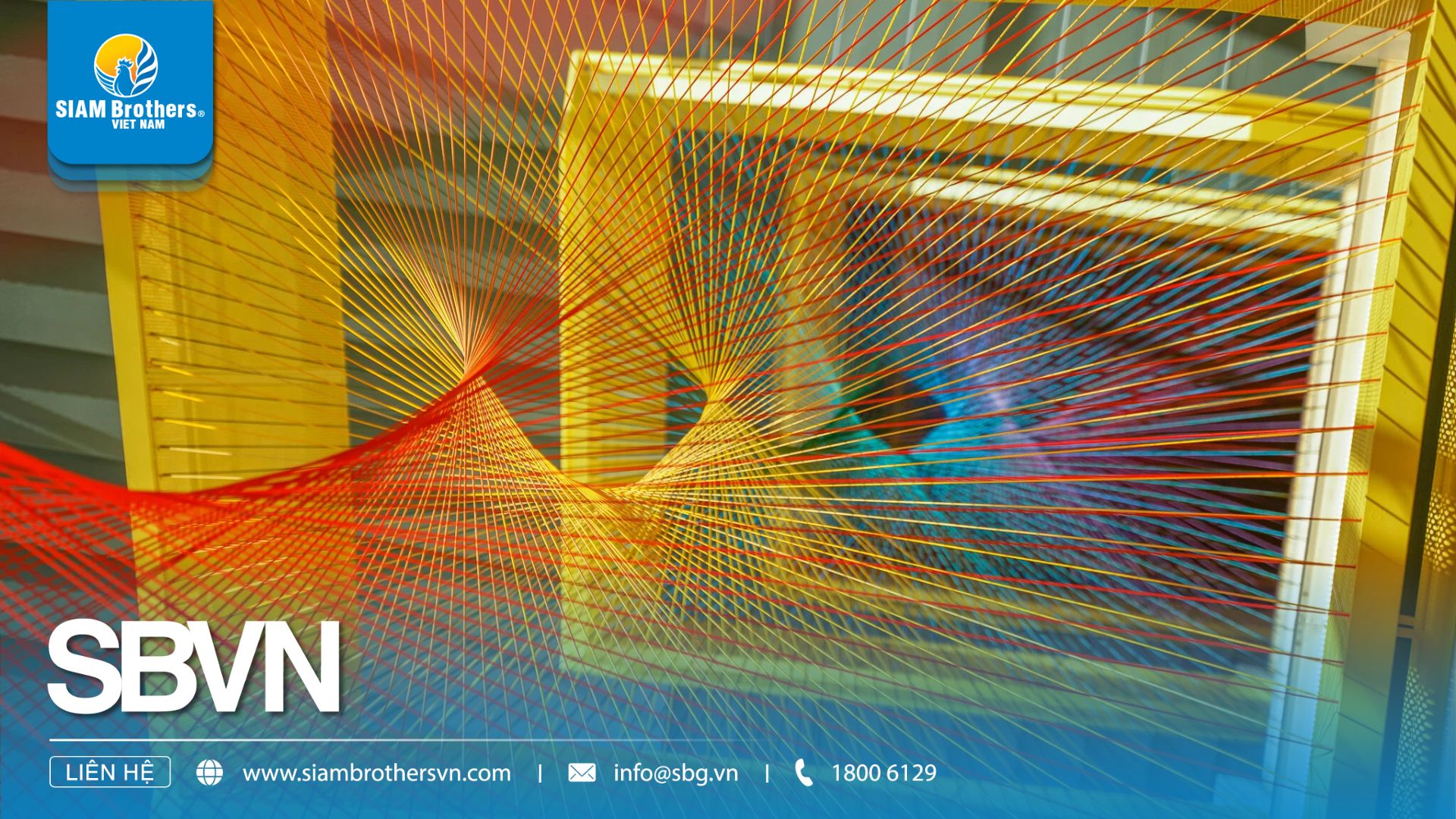
Modern rope art décor space using multicolored ropes to create striking visual effects
The rise of minimalist architecture and experiential interior design has accelerated the popularity of rope art installations across commercial and creative industries. Rope provides a balance between softness and structural definition, making it ideal for modern spatial concepts.
One of the key advantages of string art architecture is design flexibility. Architects and designers can customize rope density, tension, color palettes, and weaving patterns to align with specific brand identities or interior styles.
Compared to conventional decorative materials, rope installations are also lightweight, cost-effective, and easier to install or reconfigure. This makes them especially suitable for exhibitions, retail environments, pop-up events, and creative commercial spaces.
When combined with LED lighting systems, rope installations generate dramatic shadow play and layered visual effects, making them perfect for futuristic and contemporary interior concepts.
For more information Recycled Rope – The Sustainable DIY Interior Trend for 2026
.jpg)
String tensioning and form-shaping techniques in modern String Art Architecture
Creating a successful string art installation requires both artistic vision and technical precision. Different installation methods can dramatically change the visual impact of the space.
This is the most widely used technique in rope art design. Ropes are anchored from multiple points to create geometric spatial structures. As viewing angles change, the installation appears to shift and move dynamically.
Layering multiple rope sections creates depth and three-dimensional visual effects. Strategic spacing and color transitions enhance the complexity of the installation.
Color gradients are commonly used in modern rope installations to create visual flow and stronger artistic contrast. Designers often combine warm and cool tones to produce immersive spatial experiences.
Beyond geometric structures, many contemporary string art projects incorporate flowing curves inspired by waves, wind, or natural patterns. These organic forms create softer and more emotional spatial atmospheres.
For more information Popular rope types for handmade crafts and how to choose the right one
.jpg)
Applications of string art installations in exhibitions and commercial spaces
Today, string art installations are used across a wide range of architectural and interior applications.
Brands increasingly use rope art decor to create memorable focal points inside showrooms and retail spaces. These installations strengthen brand identity while encouraging social media engagement and visitor interaction.
Modern exhibitions frequently incorporate interactive rope installations to enhance visitor experiences. Lighting combined with colored rope structures creates immersive and visually engaging environments.
Hospitality spaces benefit greatly from artistic ceiling features and decorative rope partitions. String art architecture helps create emotional and atmospheric interiors while maintaining minimalist elegance.
Many public art projects now use rope as a creative architectural medium to connect people with shared spatial experiences and contemporary artistic expression.
.jpg)
PP and Polyester ropes used for decorative rope art
Choosing the right rope material is essential for achieving both visual quality and long-term durability in architectural installations.
Polypropylene rope is lightweight, affordable, and available in a wide range of colors. It is commonly used for indoor decorative installations.
Polyester rope offers excellent UV resistance and durability, making it suitable for outdoor installations and high-light environments.
Nylon rope provides higher elasticity and flexibility, allowing designers to create smooth curves and elegant tension-based structures.
For commercial projects, businesses should prioritize ropes with strong color retention, tensile strength, and weather resistance to maximize installation lifespan.
For more information DIY Pet Supplies with Rope: Safe, Durable & Easy Ideas
A visually impressive rope installation depends not only on creativity but also on structural engineering and technical execution.
The first consideration is anchor-point strength. Proper load calculations are necessary to prevent sagging or imbalance in tensioned rope systems.
Lighting design is another critical factor. Integrated LED systems enhance spatial depth and produce dramatic shadow effects that elevate the artistic value of the installation.
For outdoor applications, rope materials should also provide UV protection, moisture resistance, and long-term color stability to maintain aesthetic quality over time.
.jpg)
String Art Architecture trends in modern architecture and exhibitions
The answer is yes. String Art Architecture is rapidly emerging as a new direction in exhibition design, commercial interiors, and experiential architecture.
As modern consumers increasingly seek immersive and interactive environments, rope art installations provide designers with a highly flexible and visually impactful solution. The integration of smart lighting systems and sustainable materials is expected to further accelerate the growth of this trend.
Today, many architects and computational designers are also using AI-driven parametric design tools to create highly customized and complex rope structures for next-generation architectural experiences.
For more information Fashion Rope Trends 2026 – The Next Wave of Creative Accessories
Rope art decor refers to artistic installations that use ropes or cords to create decorative structures for interiors, exhibitions, and architectural spaces.
Yes. String art installations are ideal for showrooms, hotels, cafés, retail stores, and exhibitions because they create strong visual impact and immersive experiences.
PP rope, polyester rope, and nylon rope are among the most popular choices due to their durability, flexibility, and visual performance.
With proper materials and professional installation techniques, rope art structures can maintain their appearance and structural integrity for many years.
Because rope installations offer a modern, lightweight, and highly customizable design solution with strong visual appeal and efficient installation costs.
String Art Architecture is redefining how designers approach modern spatial art and immersive interiors. Beyond visual beauty, rope art installations create memorable interactions and distinctive architectural identities.
For businesses, exhibition organizers, and creative design studios, rope art decor provides an innovative solution for elevating space design and strengthening brand experiences.
Discover high-quality rope solutions for architectural decor, exhibitions, and creative installations at: SIAM Brothers Vietnam
Cre SIAM Brothers Vietnam
Contact us:
Address: 5th floor, VRG Building, 177 Hai Ba Trung Str., Vo Thi Sau Ward, Disc. 12, Ho Chi Minh City, Vietnam
Tel: (+84) 28 38 912 889
Hotline: 1800 6129
Fanpage: facebook.com/siambrothersvn
Email: info@sbg.vn
Youtube: youtube.com/@siambrothersvietnam1728
X: https://x.com/sbvnjsc
OA Zalo: zalo.me/1402339229697925373
App SBVN ID:
CHPlay: https://bit.ly/SBVNID-Android
Appstore: https://bit.ly/SBVNID-iOS








Specializing in Agricultural and Fisheries Products & Multipurpose Wire