
- 1800 6129

Sustainable Marine Farming Solutions are becoming an essential trend as the operating costs of offshore fish cages, mooring equipment, and marine farming infrastructure continue to rise. The challenge facing aquaculture businesses, distributors, and farmers today is how to optimize investment budgets while maintaining long-term farming efficiency and minimizing risks caused by harsh marine environments.
In practice, adopting HDPE floating buoys, high-strength ropes, reliable mooring systems, and modern aquaculture equipment can significantly reduce repair costs, replacement expenses, and seafood losses. Let's explore how Sustainable Marine Farming Solutions can help improve profitability and operational efficiency with SIAM Brothers Vietnam.
Sustainable Marine Farming Solutions refer to aquaculture systems that combine:
This approach focuses not only on maximizing seafood production but also on improving:
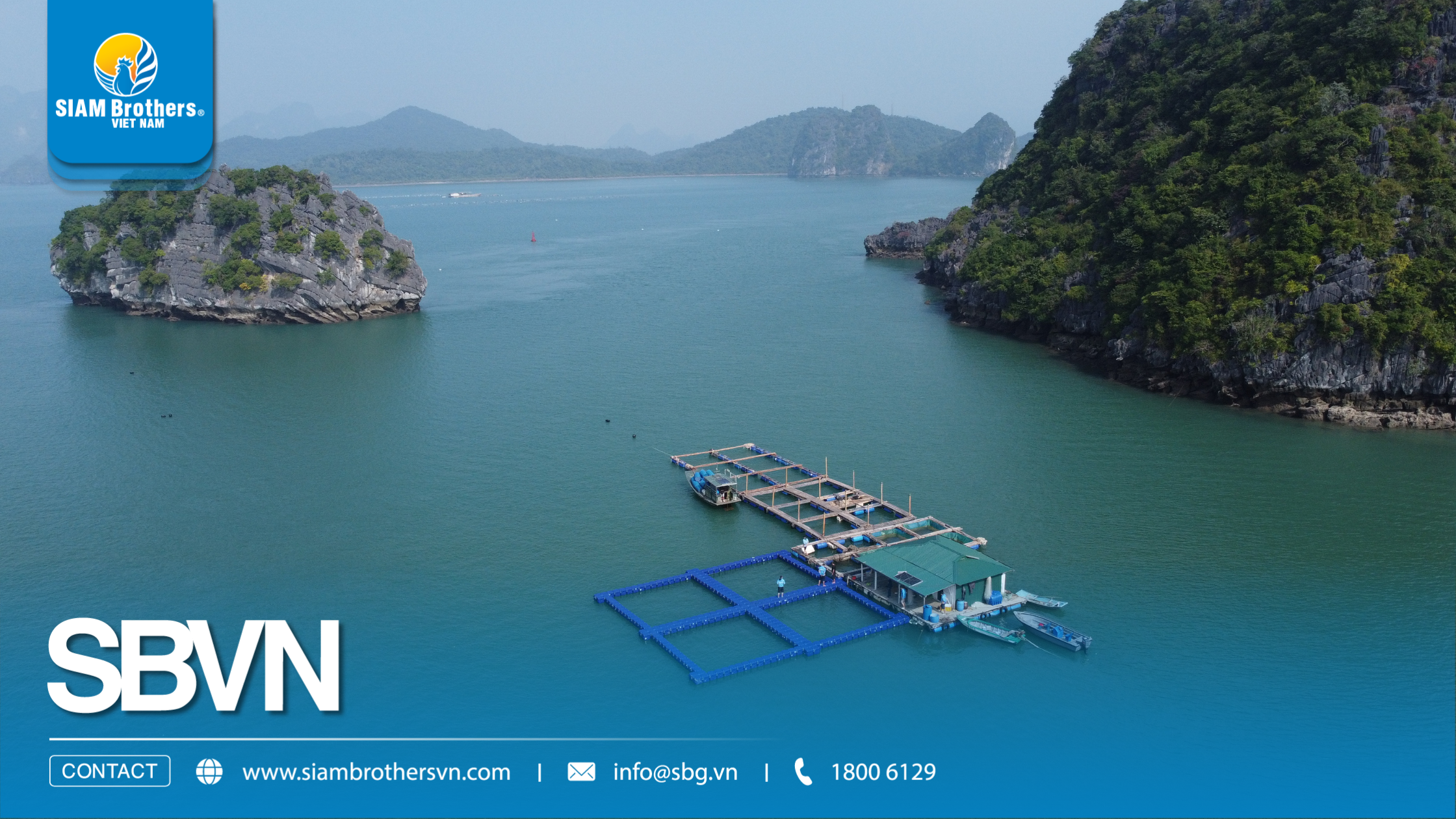
Practical Example
Instead of using low-quality floating buoys that require frequent replacement, many modern marine farms now prioritize HDPE cage buoys that offer excellent UV resistance, impact resistance, and long-term performance in saltwater environments. As a result, maintenance costs can be significantly reduced over multiple farming seasons.
How Sustainable Marine Farming Solutions Help Reduce Operating Costs
Sustainable Marine Farming Solutions help reduce maintenance expenses while extending the lifespan of offshore cage systems.
One of the largest expenses in marine aquaculture is the cost of replacing farming equipment after a short period of use.
Traditional farming systems often experience issues such as:
By implementing Sustainable Marine Farming Solutions, operators typically prioritize:
These investments help reduce replacement frequency and lower long-term operating expenses.
For offshore cage farming operations, weather conditions remain one of the most difficult factors to control. A single storm, strong wind event, or large wave can cause severe damage if the farming infrastructure lacks durability.
Many aquaculture operators face unexpected costs related to:
Sustainable Marine Farming Solutions help reduce these risks through:
When farming equipment deteriorates quickly, operators must spend additional time and resources on inspections, repairs, and replacements. These hidden expenses are often overlooked when calculating investment efficiency.
Modern aquaculture operations increasingly prefer long-life equipment because it helps:
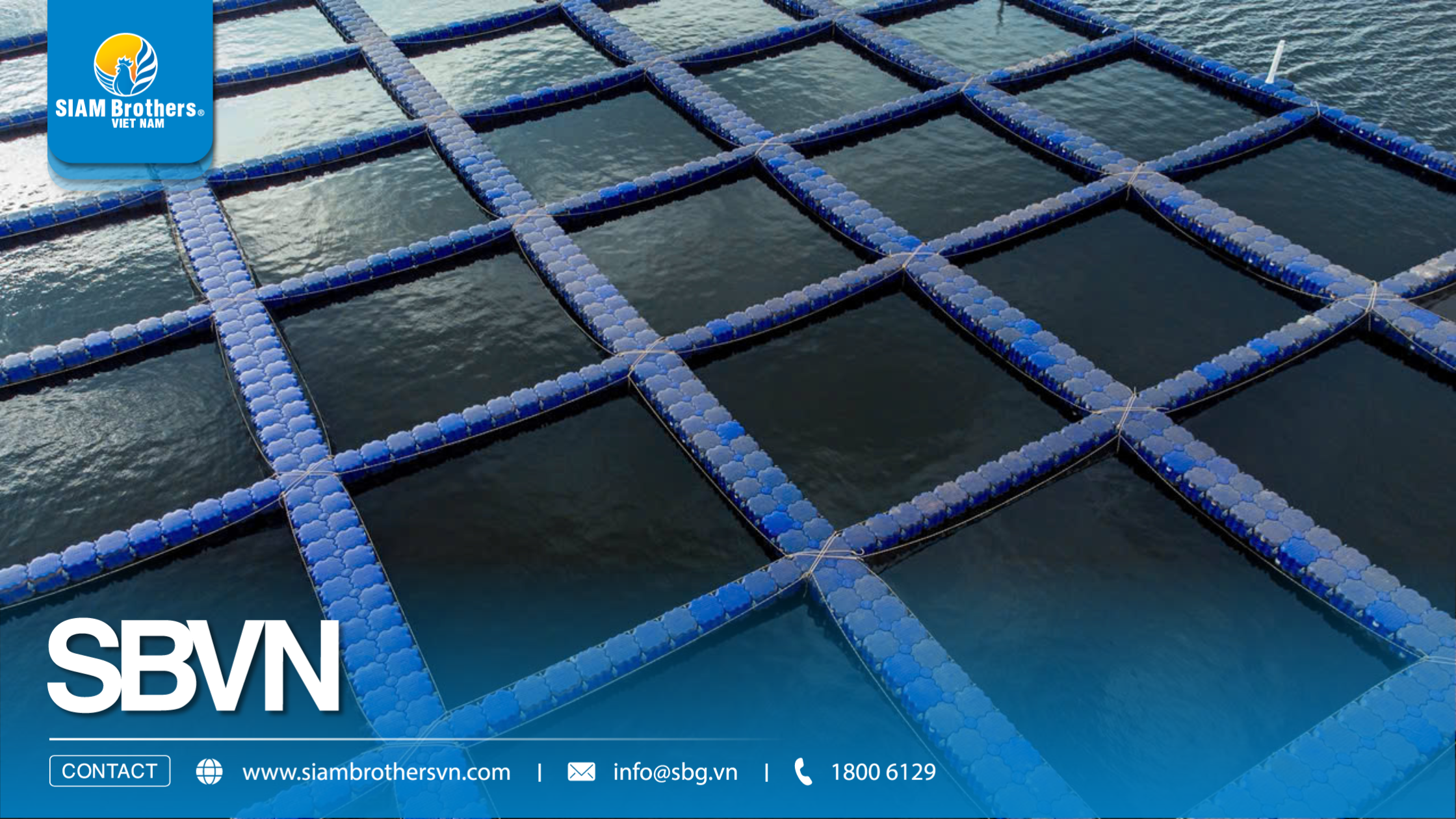
Beyond equipment costs, stock losses are another major factor affecting profitability in marine aquaculture.
Common causes include:
With Sustainable Marine Farming Solutions, farming systems operate more reliably thanks to:
As a result, seafood losses can be minimized, helping improve overall farm productivity and profitability.
Many investors focus primarily on the initial purchase price of equipment while overlooking the long-term impact of operating costs.
In reality, investing in high-quality marine farming equipment often provides significant benefits, including:
Lower overall repair expenses
Over time, Sustainable Marine Farming Solutions deliver greater returns on investment by improving durability, reducing operational risks, and enhancing the sustainability of marine aquaculture operations.
Ropes are among the most critical components in marine aquaculture and are used throughout nearly every stage of farming operations. From securing fish cages and anchoring systems to connecting floating buoy structures, reliable ropes with excellent load-bearing capacity are essential.
When low-quality ropes are used, farmers often encounter issues such as:
For this reason, modern Sustainable Marine Farming Solutions typically prioritize:
Practical Example
In offshore farming areas exposed to strong waves and seasonal storms, high-quality ropes significantly improve mooring stability and help protect farming infrastructure throughout the year.
Within Sustainable Marine Farming Solutions, HDPE cage buoys have become a preferred choice for aquaculture businesses and marine farmers because they directly influence the stability and performance of the entire farming system.
Compared to conventional floating buoys, HDPE buoys offer several advantages:
These benefits help operators:
In addition to ropes and floating buoys, mooring systems play a crucial role in modern marine aquaculture.
A well-designed and stable mooring system helps:
In practice, many offshore incidents are caused by:
As a result, Sustainable Marine Farming Solutions often include integrated investments in:
Beyond operational efficiency, environmental quality has a direct impact on seafood productivity and farm maintenance costs.
In many coastal areas, floating waste can create significant challenges, including:
To address these issues, many modern marine farms have adopted LLDPE floating trash barriers to:
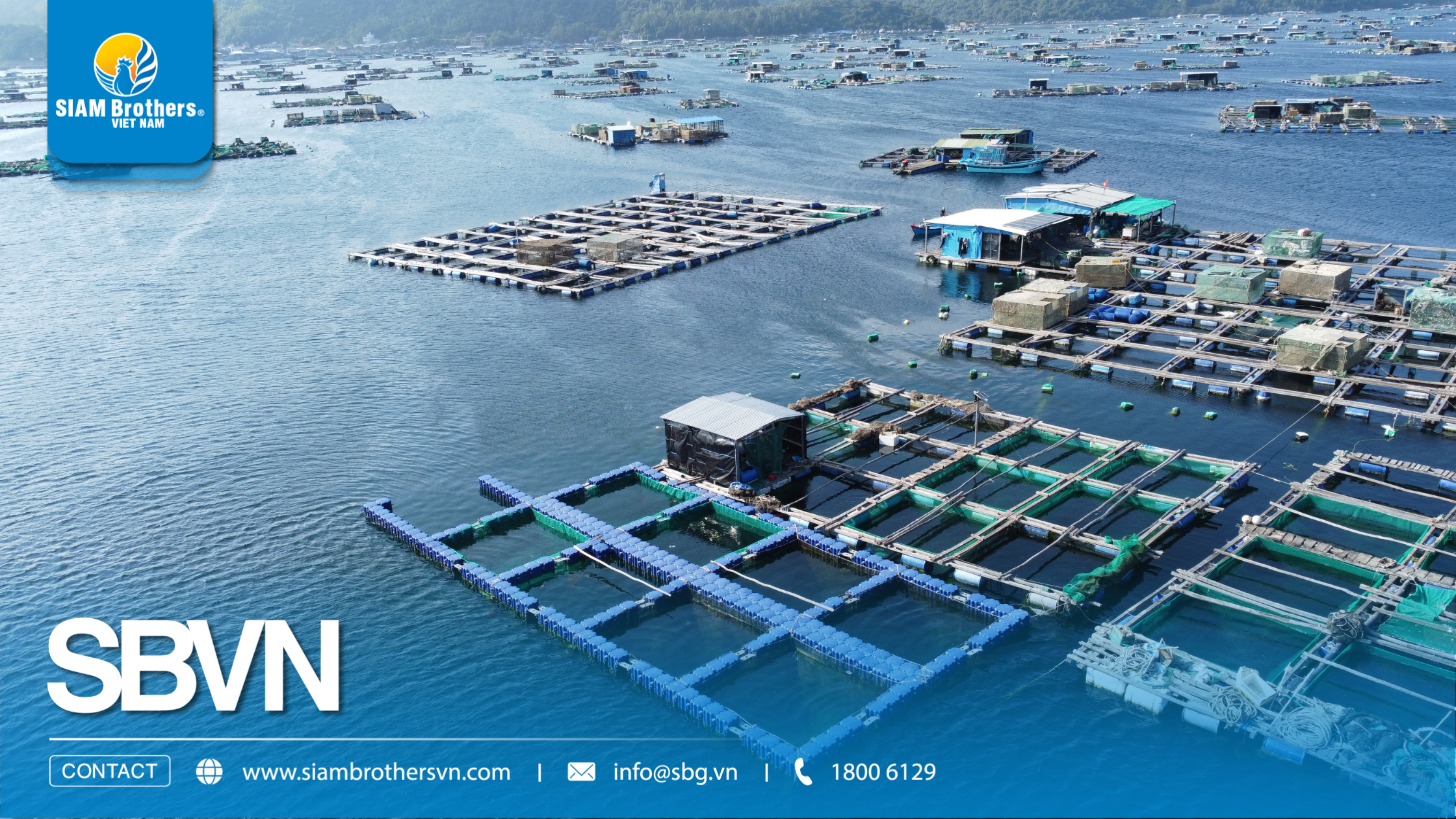
This is currently one of the most widely adopted models among commercial aquaculture companies and large-scale fish farmers.
Unlike traditional cage systems made from materials that deteriorate quickly, HDPE cage structures provide greater durability and stability in harsh offshore environments.
Key advantages include:
Many offshore farms have transitioned to using:
These upgrades improve system stability during storm seasons and significantly reduce annual operating costs.
Oyster farming has evolved far beyond small-scale coastal operations. Today, many farming regions are investing in larger and more advanced production systems to improve output and operational efficiency.
In this model, farming ropes play a vital role because they are continuously exposed to saltwater conditions.
Commonly preferred materials include:
When unsuitable materials are used, ropes deteriorate quickly, resulting in higher replacement costs and reduced productivity.
This is one of the main reasons why oyster farmers increasingly adopt Sustainable Marine Farming Solutions to improve equipment longevity and maintain stable operations.
Floating waste has become a growing concern in many coastal aquaculture regions.
Common challenges include:
To address these issues, modern marine farms often integrate:
Benefits include:
This approach is increasingly being adopted by large-scale marine farming operations worldwide.
A noticeable trend across the aquaculture industry is the shift away from low-cost equipment toward durable, long-lasting infrastructure.
The reason is simple: equipment that requires frequent replacement often generates significantly higher operating costs over time.
As a result, many modern Sustainable Marine Farming Solutions prioritize:
This investment strategy helps operators:
How Sustainable Marine Farming Solutions Help Reduce Operating Costs
A stable marine farming system enables businesses and farmers to operate more efficiently and confidently under real-world conditions.
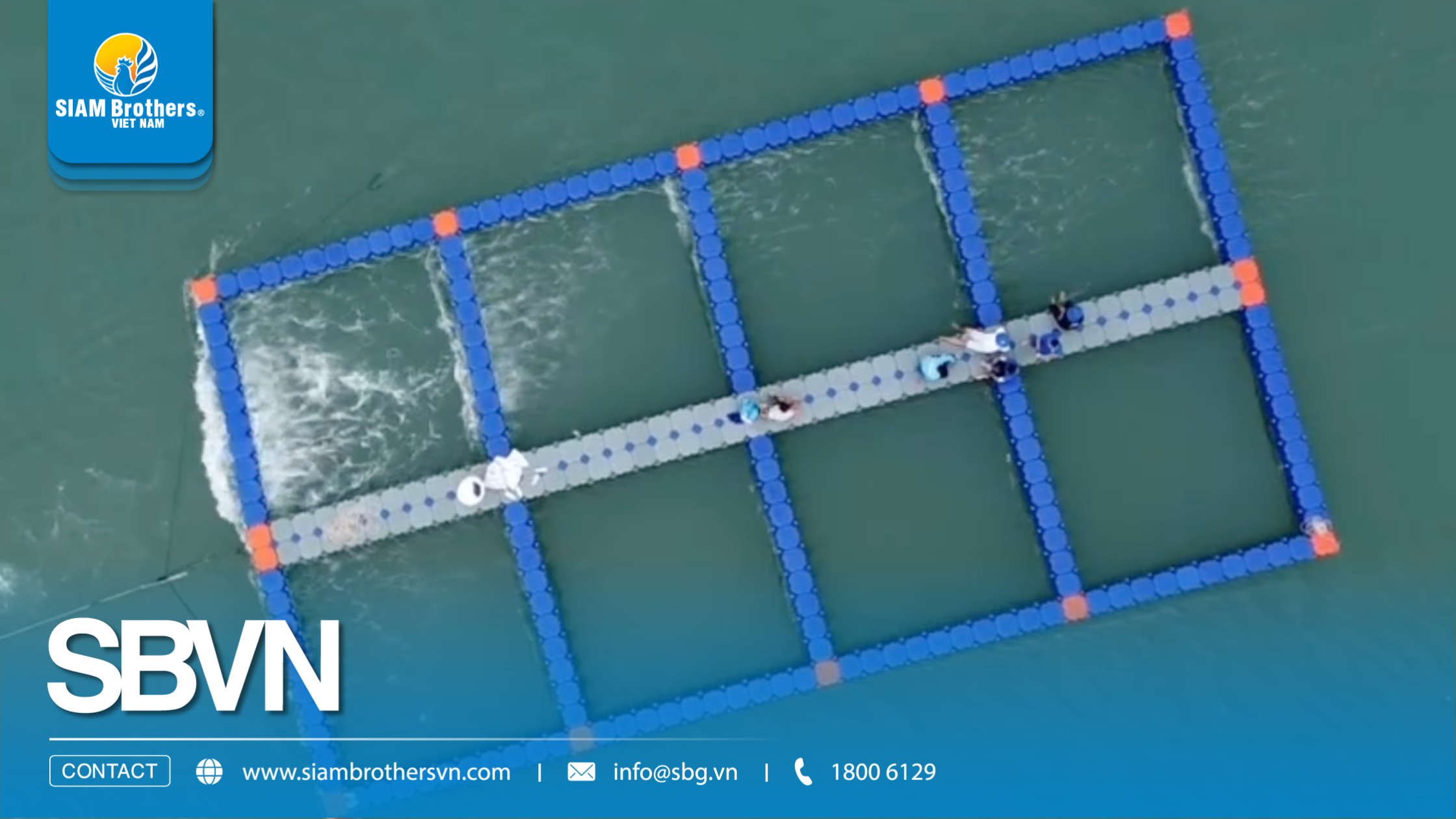
In most marine aquaculture operations, unexpected expenses typically arise from:
By using appropriate equipment such as:
Farmers can:
HDPE buoys have become widely used in modern aquaculture systems because of their outstanding offshore performance.
Key benefits include:
Compared with lower-quality alternatives, HDPE buoys help:
This makes them a key component of many Sustainable Marine Farming Solutions.
The ideal rope depends on farming conditions and system load requirements.
Today, many marine farms prioritize:
When selecting ropes, key factors include:
Choosing the right rope improves mooring safety and reduces operational risks during severe weather.
Many aquaculture companies and marine farmers are currently adopting:
When selecting equipment for marine aquaculture operations, consider:
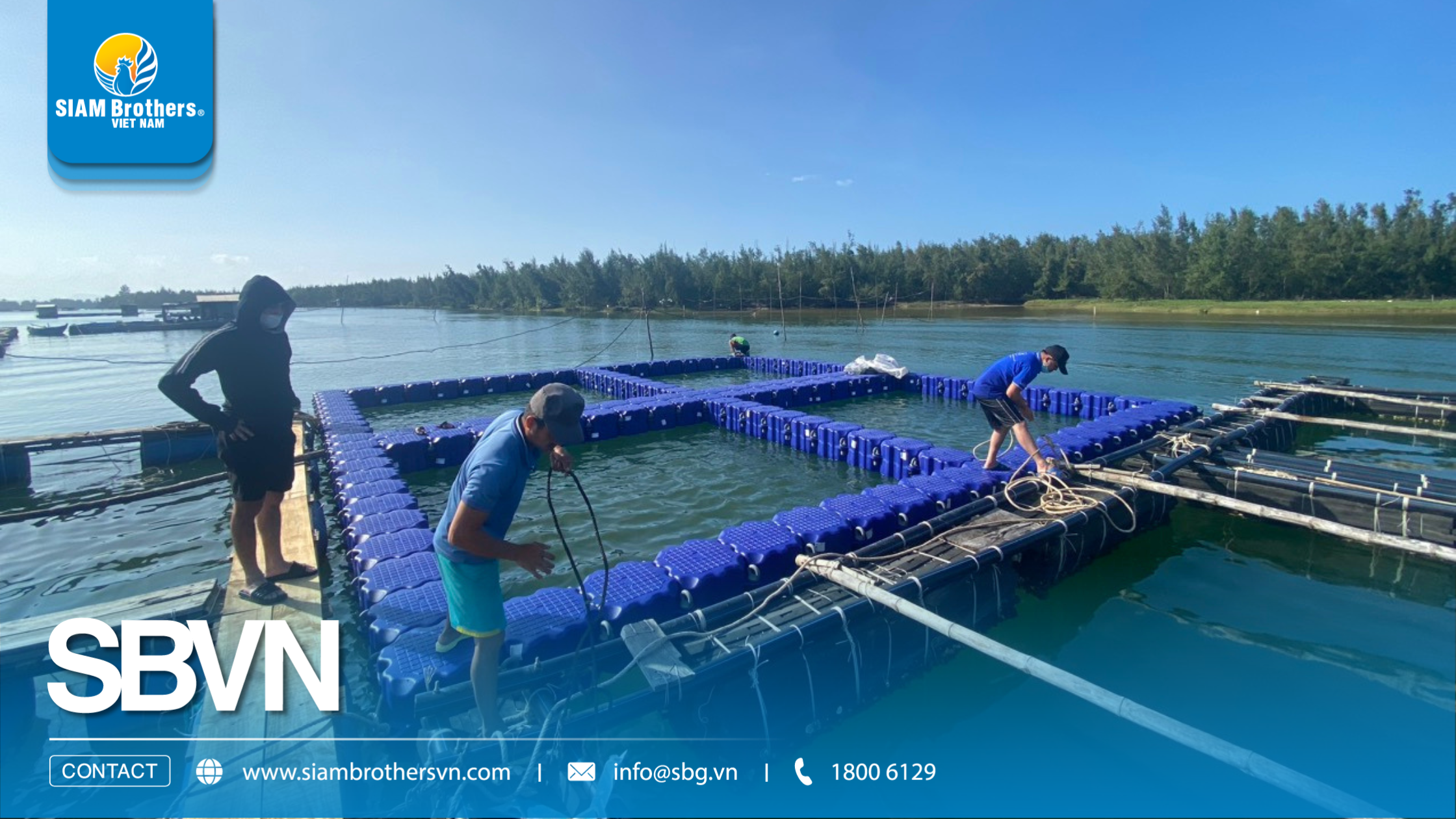
Investing in the right equipment-including high-strength ropes, HDPE cage buoys, reliable mooring systems, and effective floating trash barriers—can significantly reduce maintenance costs, improve operational safety, and extend the lifespan of marine farming infrastructure.
As the aquaculture industry continues to evolve, Sustainable Marine Farming Solutions are becoming the preferred choice for seafood companies, cooperatives, and marine farmers seeking long-term efficiency and profitability.
If you are looking for Sustainable Marine Farming Solutions tailored to your operational needs, contact SIAM Brothers Vietnam today for expert consultation and cost-effective recommendations.
Source: SIAM Brothers Vietnam
Contact us:
► Address: 5th floor, VRG Building, 177 Hai Ba Trung Street., Xuan Hoa Ward, Ho Chi Minh City, Vietnam
► Hotline: 1800 6129
► Tel: (+84) 28 38 912 889
► Email: info@sbg.vn
► Follow us for more details at: Facebook - Zalo OA - Tiktok - Youtube - LinkedIn
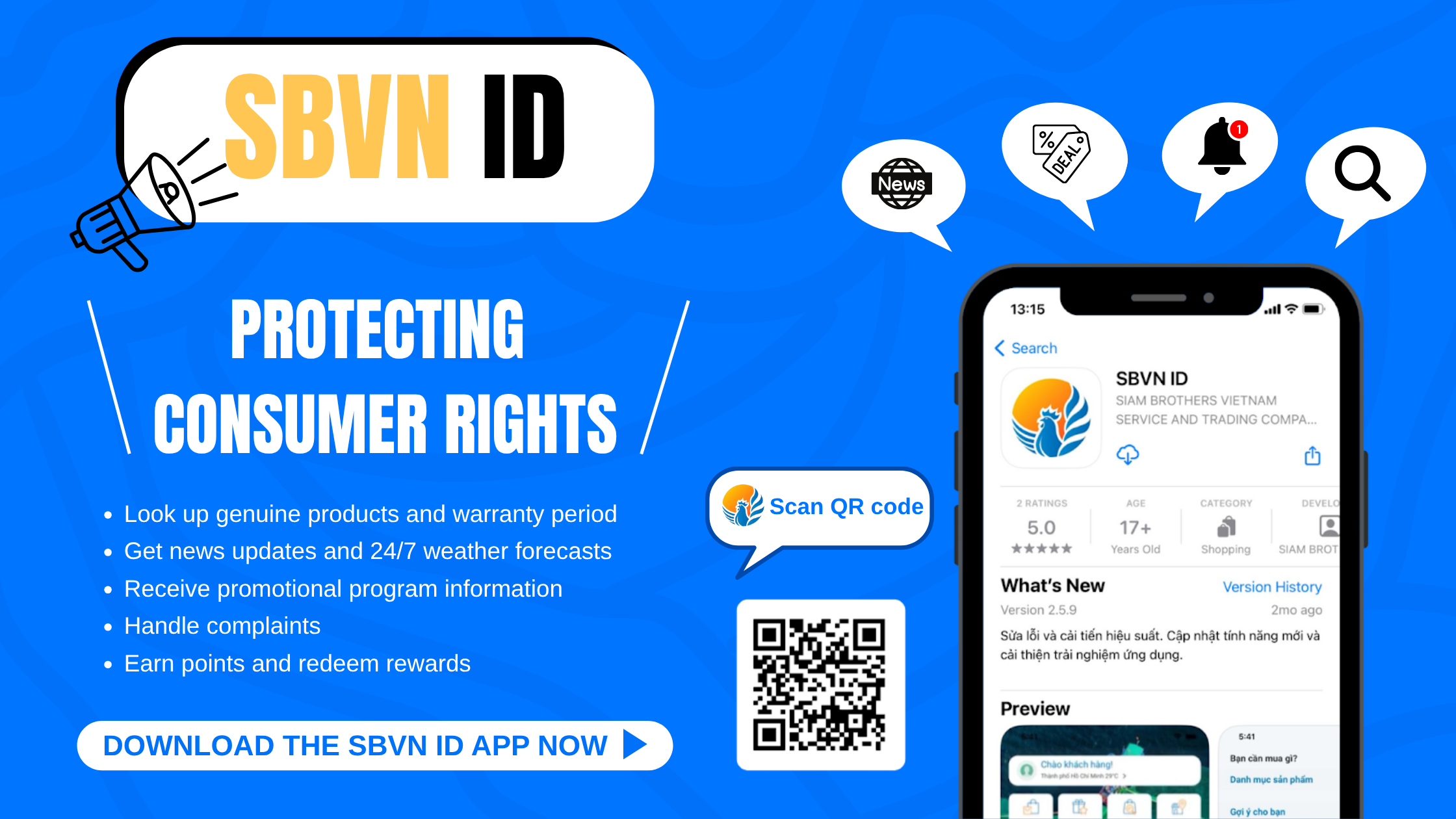
Download SBVN ID app here:
► CHPlay
► Appstore







Specializing in Agricultural and Fisheries Products & Multipurpose Wire