
- 1800 6129

Knowing how to braid rope securely for boat anchoring is more than just a basic rope-handling skill. It plays an important role in keeping fishing boats safe while anchored and during offshore operations. In this guide, SIAM Brothers Vietnam explains how to braid boat anchor rope properly, how to secure and finish rope ends, and how to choose the right rope for different types of fishing vessels.
When a fishing boat is anchored at a harbor or offshore, the anchor rope is constantly exposed to waves, wind, and water currents. If the rope strands are braided unevenly or the splice is not properly secured, tension may not be distributed evenly. This can create weak points and cause certain sections of the rope to wear out faster.
Knowing how to braid rope correctly helps:
For example, fishing boats that regularly operate in rough waters can benefit from an anchor rope that has been properly braided and finished. It can maintain better stability under load than a rope that has been poorly spliced or loosely braided.
The marine environment can be extremely demanding on ropes. Saltwater, sunlight, friction against the boat's hull, and contact with hard or abrasive surfaces can all affect rope performance. If the rope end is not properly secured, the individual fibers inside the rope can start to separate, quickly reducing its overall strength and durability.
Proper rope-braiding techniques help users:
This is also why manufacturers of specialized ropes pay close attention to rope construction, the twist of individual strands, and quality-control procedures before products are released to the market.
For fishermen, an anchor rope is more than just a piece of equipment. It is directly connected to the safety of both the crew and the vessel. A seemingly minor problem—such as a knot coming loose, a splice failing, or a rope breaking under load, can cause the boat to drift from its anchoring position, collide with another vessel, or make it more difficult to respond to an emergency at sea.
By using the right braiding technique and selecting the appropriate boat anchor rope, users can:
At SIAM Brothers Vietnam, our technical team evaluates factors such as rope material, diameter, construction, and operating environment to recommend suitable rope solutions for different applications—from fishing vessels and aquaculture to other marine operations.
Before braiding or splicing an anchor rope, carefully inspect its condition to make sure it is still suitable for use.
Preparation steps include:
For example, fishing boats that regularly operate offshore should prioritize ropes with good strength, abrasion resistance, and suitability for saltwater environments rather than choosing a rope based solely on price.
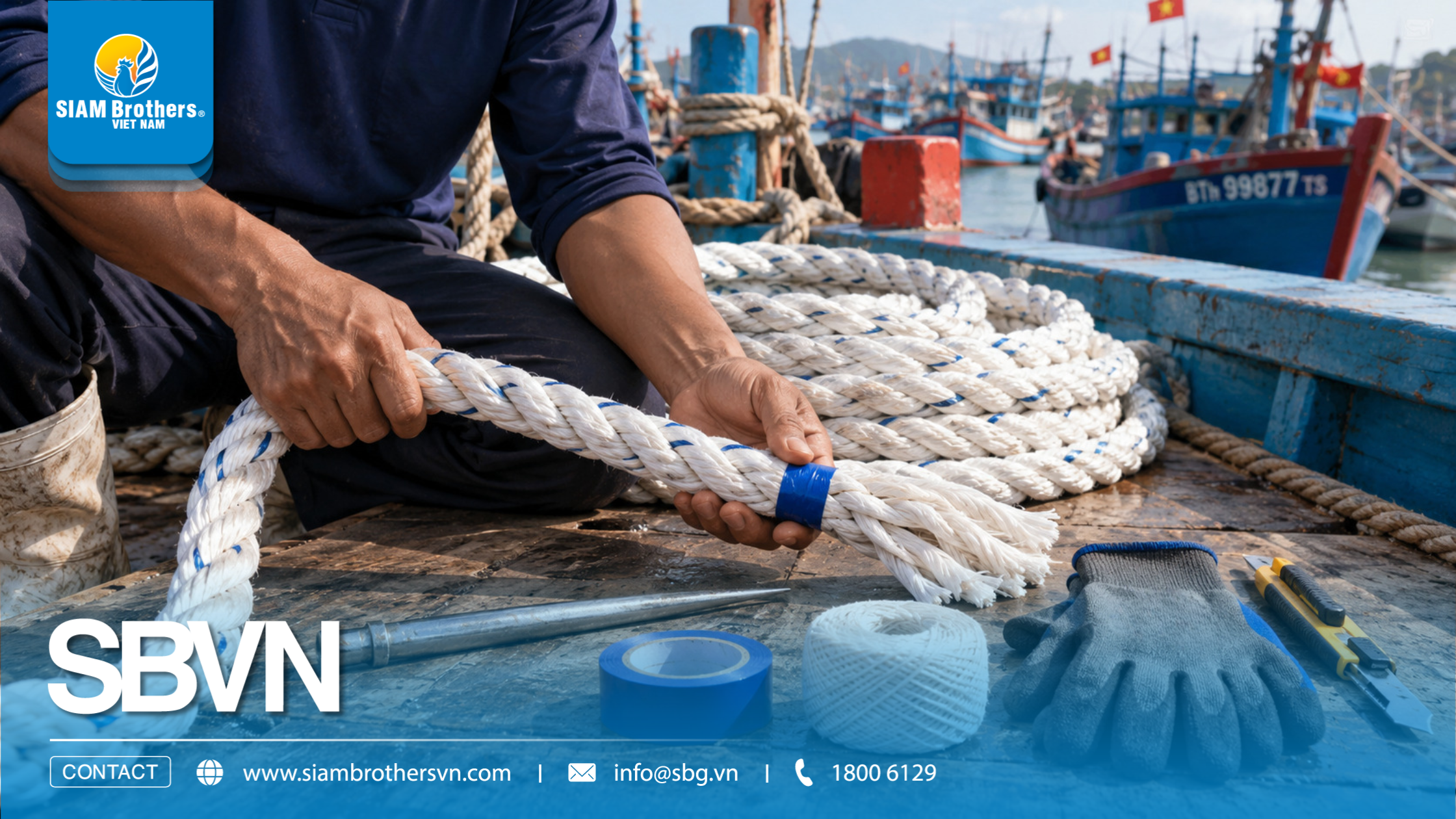
One of the most important steps in learning how to braid rope is properly preparing the individual strands. If the strands become tangled or are unevenly arranged, the finished braid may not achieve the required level of strength and stability.
When preparing the strands:
For ropes used in fishing and marine applications, maintaining a good balance between the strands is essential. When tension is applied, the internal fibers should work together to carry the load and reduce potential weak points along the rope.
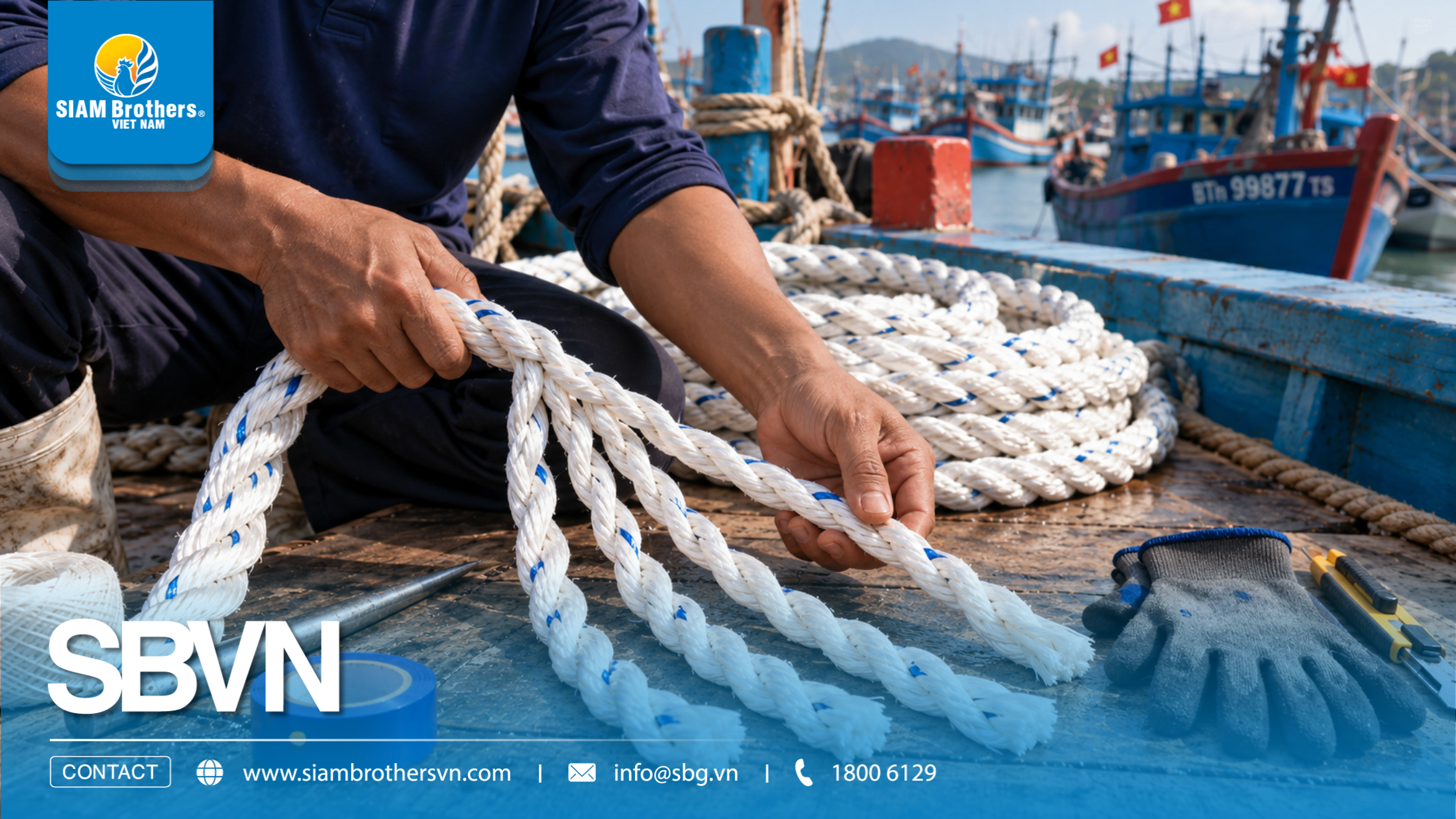
Once the rope is properly prepared, begin braiding the strands together while following the correct twist direction. This is the stage that directly affects the strength and stability of the finished anchor rope.
The basic process involves:
A properly executed braid should have a relatively even surface, with the strands sitting closely together without significant deformation when the rope is lightly pulled by hand.
According to the technical team at SIAM Brothers Vietnam, controlling strand twist and tension during rope manufacturing is also an important factor in achieving consistent performance when the rope is used in real-world applications.
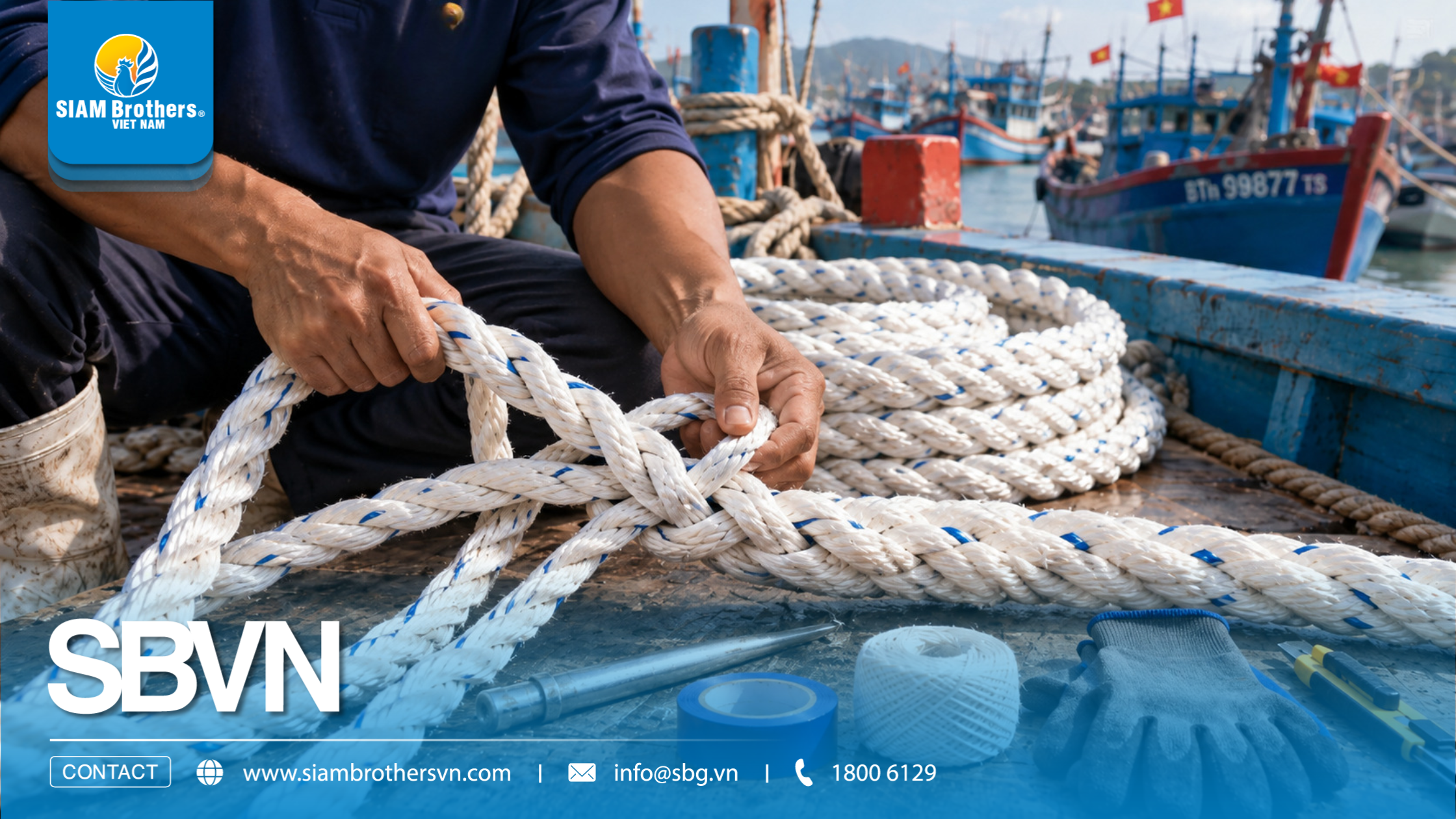
Once the braiding is complete, securing the rope end helps maintain the integrity of the braid and extend the rope's service life. Common methods include:
For synthetic ropes such as PP, PE, or Nylon, the method used to finish the rope end should be appropriate for the characteristics of each fiber type to avoid compromising the rope's internal structure.
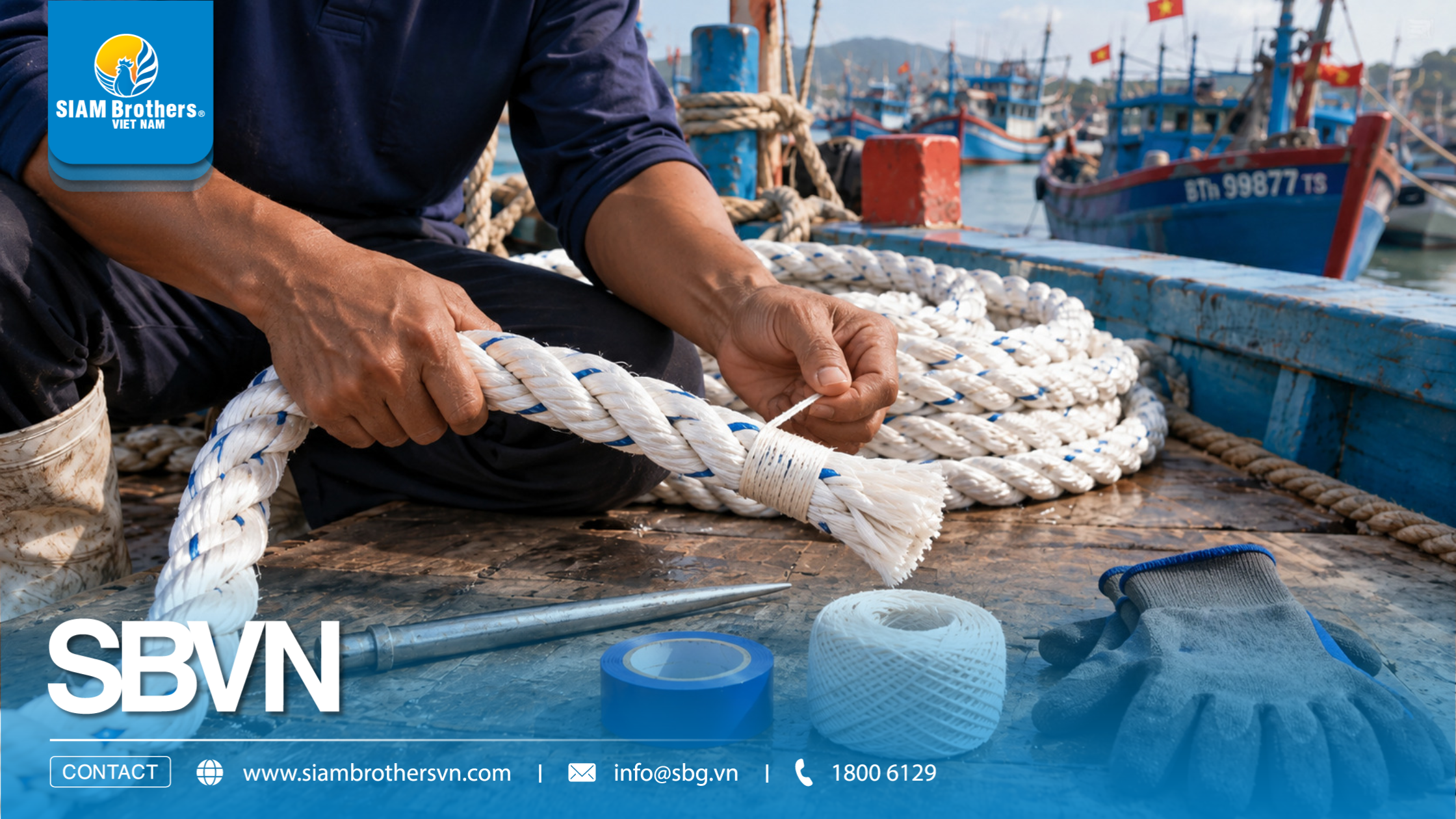
Once the braiding process is complete, do not put the rope into service immediately. Inspect the entire braided section first to make sure it is secure and ready for use.
The inspection should include:
In practice, anchor-rope failures are not always caused by poor material quality. Incorrect braiding, improper splicing, or inadequate storage can also contribute to rope damage and failure.
That is why a proper pre-use inspection is a simple but important step. Taking a few minutes to check the rope can help reduce potential risks during fishing and boat operations.
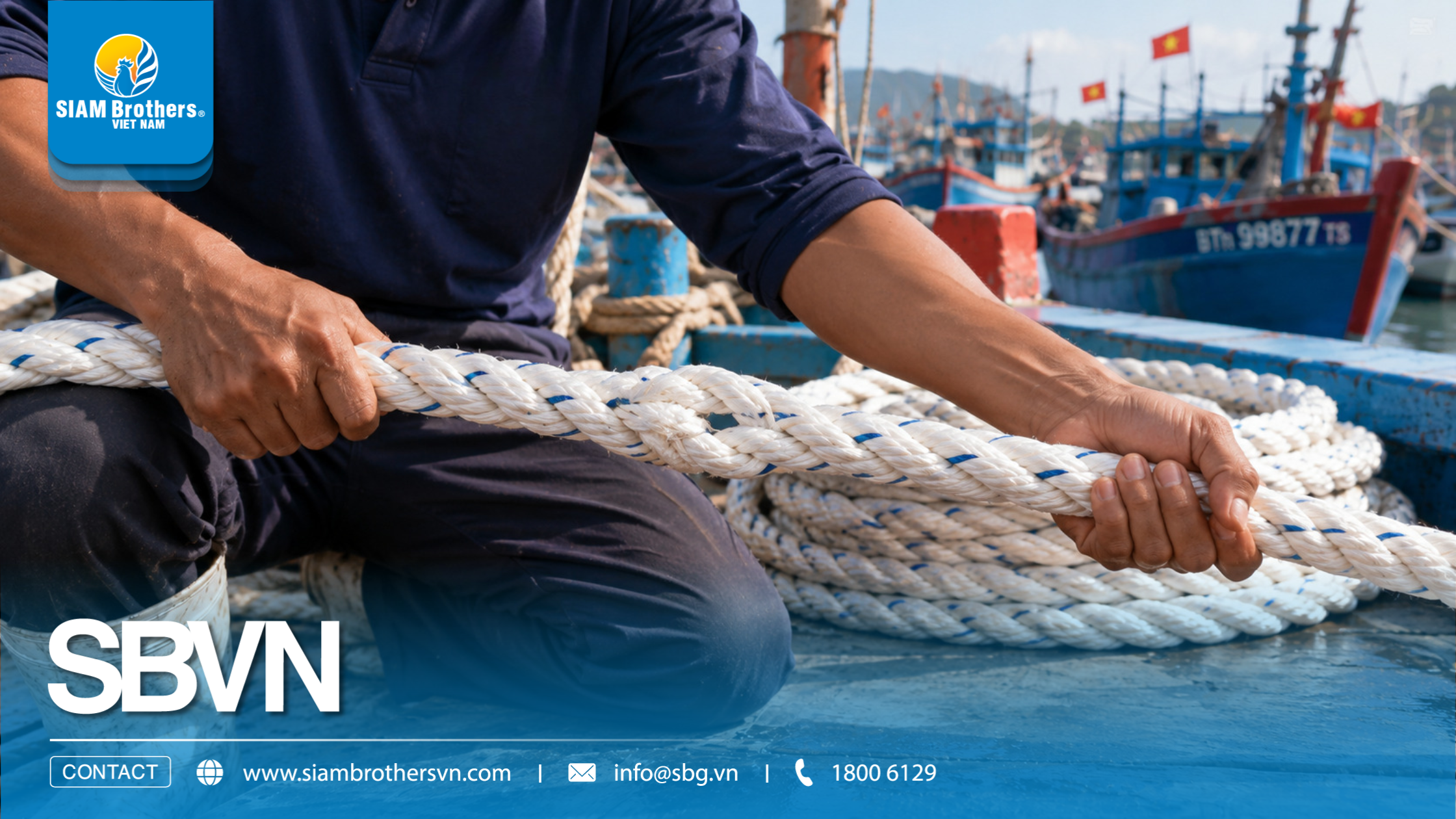
How to braid rope for a fishing boat anchor is not overly complicated once you understand the basic structure of the rope and how its strands are interconnected.
However, creating a strong and secure braid requires careful attention to several factors:
In practice, ropes used for fishing boat anchoring, net hauling, or offshore operations require greater care because they are regularly exposed to waves, wind, and high pulling forces.
The right anchor rope depends on the size of the vessel, operating environment, and load requirements. Not every type of rope is suitable for marine applications.
Some commonly used options include:
PP Rope
PE Rope
Nylon Rope
According to the technical team at SIAM Brothers Vietnam, when selecting an anchor rope for a fishing boat, users should consider the rope diameter, working load, and actual operating conditions rather than choosing based solely on price.
Fishing boat anchor ropes operate in harsh marine environments, so some degree of wear is inevitable over time. However, ropes can deteriorate much faster when they are not used or stored properly.
Common causes include:
To reduce these risks, users should inspect the rope regularly, especially before every offshore trip. Signs such as excessive fraying, unusual discoloration, or a noticeable reduction in rope diameter should be treated as early warning signs that the rope needs attention or replacement.
It is possible to splice or repair some smaller rope sections yourself when necessary. However, when dealing with heavily loaded fishing boat anchor ropes, the splice must be made correctly to avoid creating a weak point.
When splicing rope, keep the following in mind:
For critical applications such as fishing boat anchoring or offshore fishing operations, it is generally better to use specialized marine rope manufactured to appropriate specifications and intended for the required application.
When choosing fishing boat anchor rope, buyers should evaluate the technical specifications rather than focusing only on the product price.
Key factors include:
With extensive experience manufacturing ropes for the fishing industry, the technical team at SIAM Brothers Vietnam focuses on material selection, rope construction, and manufacturing processes to provide suitable rope solutions for fishing vessels, aquaculture operations, and a wide range of other practical applications.
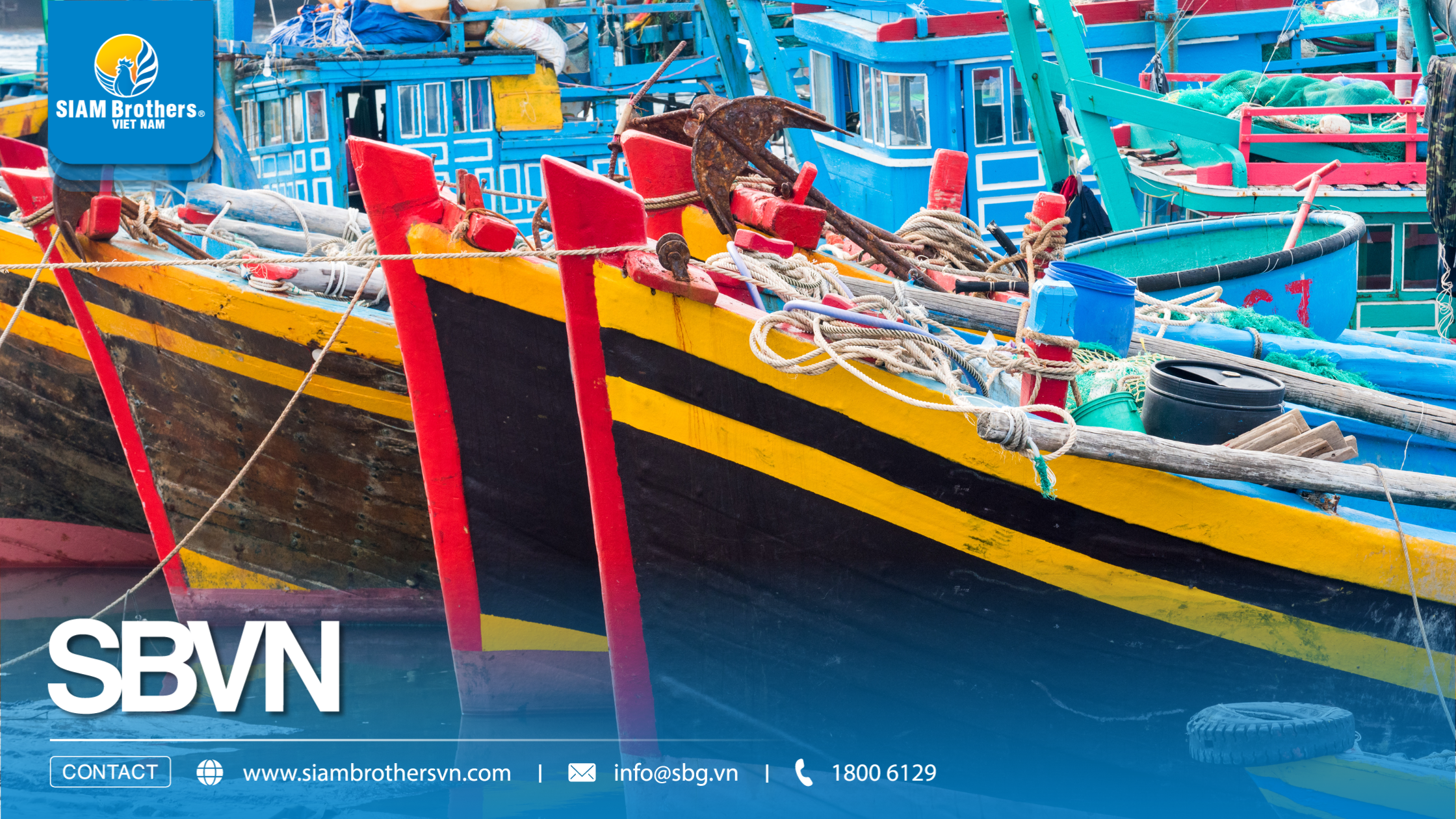
Knowing how to braid rope correctly for a fishing boat anchor can help improve rope integrity and contribute to safer anchoring and offshore operations. With experience in manufacturing ropes for the fishing industry, SIAM Brothers Vietnam focuses on rope construction, material selection, and application requirements to provide suitable solutions for different marine needs.
If you are looking for fishing boat anchor rope, high-strength rope, or specialized rope for fishing and aquaculture applications, contact SIAM Brothers Vietnam for advice on choosing the right rope for your vessel and operating conditions.
Source: SIAM Brothers Vietnam
Contact us:
► Address: 5th floor, VRG Building, 177 Hai Ba Trung Street., Xuan Hoa Ward, Ho Chi Minh City, Vietnam
► Hotline: 1800 6129
► Tel: (+84) 28 38 912 889
► Email: info@sbg.vn
► Follow us for more details at: Facebook - Zalo OA - Tiktok - Youtube - LinkedIn
Download SBVN ID app here:
► CHPlay
► Appstore








Specializing in Agricultural and Fisheries Products & Multipurpose Wire