
- 1800 6129

A proper melon hanging rope trellis system plays a crucial role in greenhouse melon cultivation. Beyond simply supporting the plants, the hanging rope system determines the overall stability and efficiency of the growing structure.
When designed and installed correctly, a greenhouse melon trellis system helps plants grow vertically, prevents stem breakage, improves airflow, and optimizes harvesting productivity.
So, how can you set up a melon hanging rope system that is durable, reliable, and suitable for different greenhouse farming models?
In this guide, SIAM Brothers Vietnam will provide a detailed step-by-step process for installing a greenhouse melon hanging rope system — from selecting the right materials and arranging rope positions to securing the ropes properly for long-term use.
Melon plants have relatively soft stems, and their weight increases significantly during the fruiting stage. Without a proper support system, plants can easily lean, break, or develop uneven fruit shapes.
A well-designed melon hanging rope system helps:
- Keep melon stems growing vertically, allowing plants to receive more balanced sunlight exposure.
- Prevent stems from touching the ground, reducing excess moisture and the risk of fungal diseases.
- Support stable fruit development and minimize deformation caused by leaning or fallen plants.
For example, in commercial greenhouses growing thousands of melon plants, a single weak rope section or an unstable trellis structure can affect an entire row of crops.
Therefore, selecting suitable agricultural support materials from the beginning is a critical factor that growers need to carefully consider.
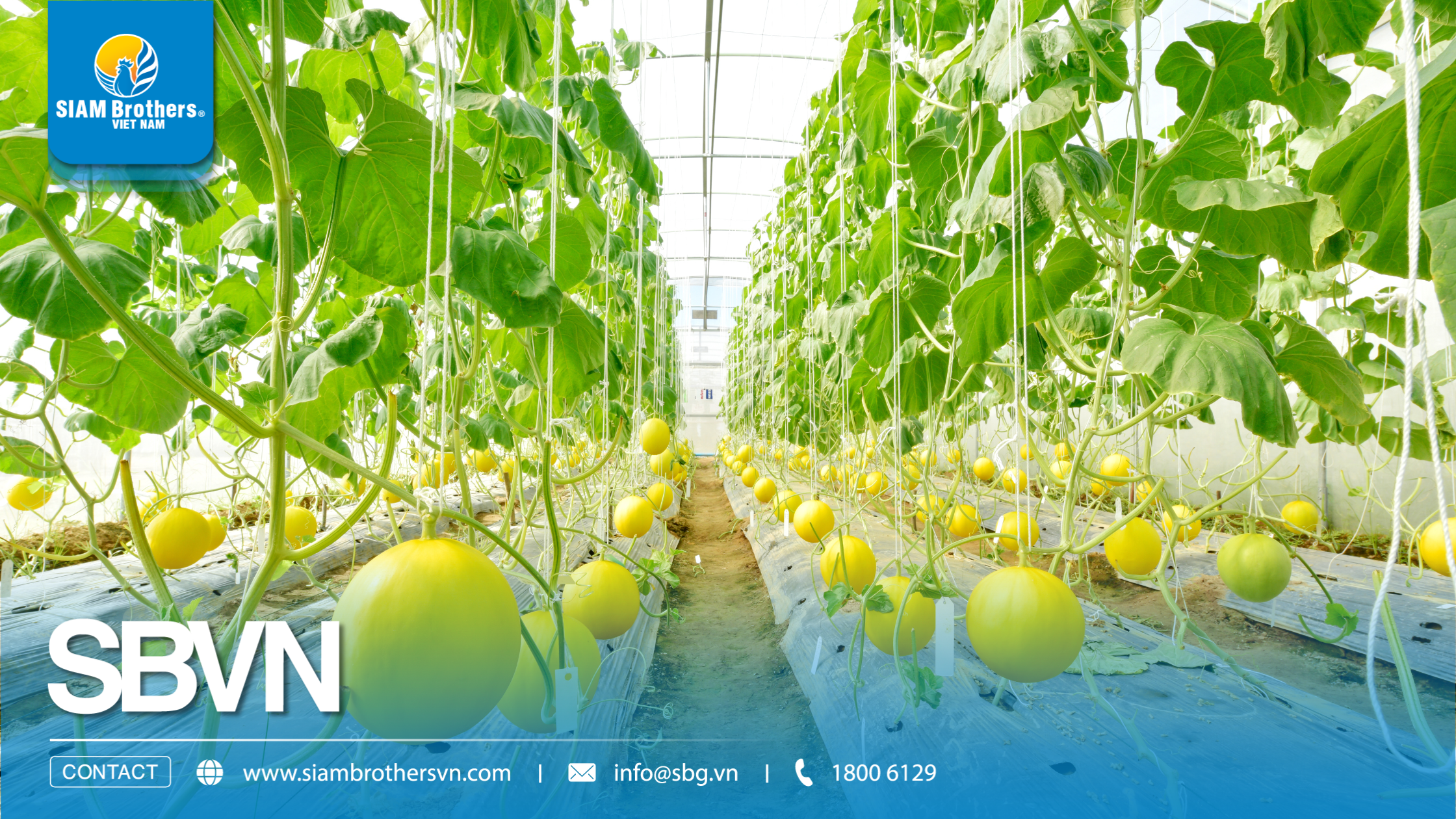
One of the biggest advantages of using a hanging rope system is its ability to maximize greenhouse space.
Instead of allowing melon plants to spread horizontally across the ground, a melon hanging rope trellis system guides plants to grow vertically, making it ideal for high-density greenhouse cultivation.
A properly installed hanging rope system helps growers:
- Easily monitor the growth condition of each plant.
- Perform pruning, pollination, pest control, and fruit care more efficiently.
- Maintain better spacing between plants, allowing improved airflow and light penetration.
For commercial melon farms, optimizing every square meter of greenhouse space helps improve investment efficiency and reduce long-term operating costs.
When melon plants begin producing fruit, more weight is concentrated on the stems and fruit-bearing branches. At this stage, the melon hanging rope must provide stable load-bearing support throughout the entire growing cycle.
A high-quality greenhouse rope system should meet the following requirements:
- Suitable tensile strength to handle plant and fruit weight.
- Good moisture resistance in greenhouse environments.
- Stable performance during continuous use for several months.
- Easy handling when wrapping stems and adjusting plant positions.
Before installing a greenhouse melon hanging rope system, growers need to determine the greenhouse size, the number of plants, and the planting layout to select suitable materials and ensure the system can support the crop throughout the growing season.
The basic materials include:
- A trellis frame or overhead support structure installed inside the greenhouse.
- Melon hanging rope with suitable tensile strength to support the weight of plants and fruits during the growing stage.
- Hanging hooks, clips, fixing accessories, or other supporting components for plant suspension.
- Tools for cutting, tying ropes, and checking the tension of the support system.
Among these components, the hanging rope is the part that directly supports the plant and carries the load over a long period of time.
Therefore, growers should prioritize ropes with:
- Good moisture resistance.
- Low stretch performance.
- High durability under high-temperature greenhouse conditions.
- Stable load-bearing capacity throughout the cultivation cycle.
Choosing the right melon hanging rope from the beginning helps reduce maintenance costs, improve system stability, and ensure better crop performance.
After preparing all necessary materials, the next step is to determine the correct rope positions to ensure each melon plant has enough space for healthy growth.
When arranging a melon hanging rope trellis system, growers should consider the following factors:
- Each plant should have its own hanging position to make plant care and growth adjustment easier.
- The spacing between ropes should match the planting density to prevent plants from competing for sunlight.
- Ropes should be installed in straight lines following the plant rows to simplify stem training and wrapping.
For example, in greenhouse models with multiple rows of melon plants, accurately positioning the ropes from the beginning can significantly improve later cultivation efficiency, especially when plants start climbing the ropes and entering the fruit-setting stage.
A properly arranged rope layout not only improves plant management but also helps create a more organized and efficient greenhouse growing environment.
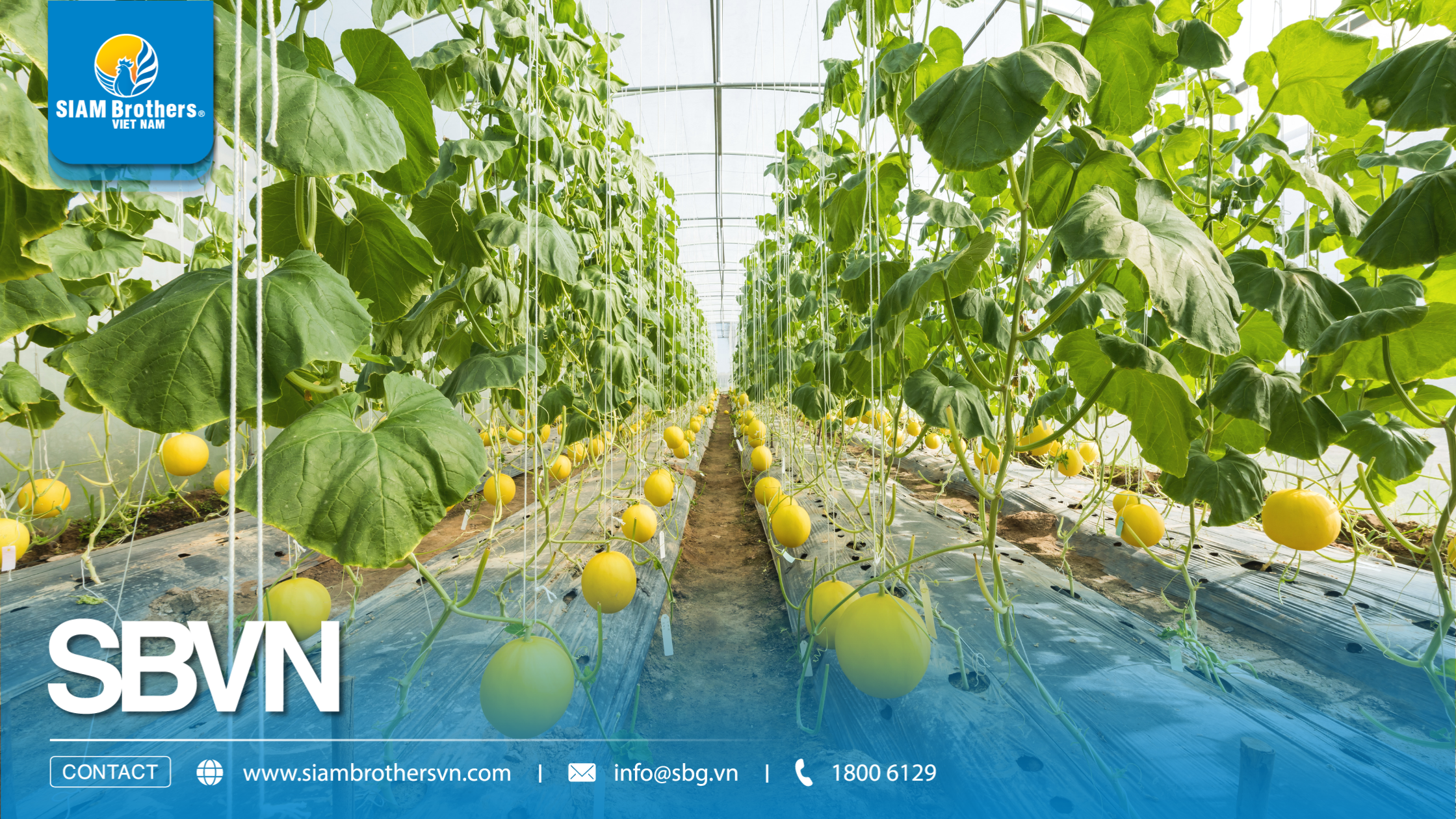
The melon hanging rope must be securely attached to the overhead support bars or load-bearing structure inside the greenhouse.
A stable fixing process ensures that the rope can withstand the increasing weight of the plant and fruit during the growing period.
Installation steps:
a. Measure the appropriate rope length
Determine the required rope length based on:
- Greenhouse height.
- Trellis structure design.
- Expected plant growth height.
The rope should provide enough length for the melon plant to develop while maintaining proper support throughout the cultivation cycle.
b. Fix one end of the rope to the overhead support point
Secure one end of the rope firmly to the designated hanging position using suitable knots, clips, or fixing accessories.
The connection point should be strong enough to prevent slipping or loosening during plant growth.
c. Adjust the rope tension
Check and adjust the rope tension to ensure:
- The rope is not excessively loose.
- The plant receives stable support.
- The trellis system remains balanced.
Overly loose ropes may reduce support efficiency, while excessive tension may affect the plant structure.
d. Check all connection points before use
Before placing plants onto the hanging system, growers should inspect:
- Rope fixing points.
- Connection accessories.
- Overall system stability.
According to SIAM Brothers Vietnam’s experience in agricultural rope manufacturing, checking the stability of the hanging rope system before each planting cycle helps prevent mid-season rope replacement, reducing potential damage to plants and unnecessary operating costs.
A properly installed greenhouse melon hanging rope system provides long-term support, improves crop management efficiency, and contributes to higher-quality melon production.
Choosing the right melon hanging rope is one of the most important factors in building a stable and efficient greenhouse growing system.
A suitable hanging rope not only supports the plant structure but also helps maintain plant growth, reduce the risk of breakage, and improve cultivation efficiency throughout the growing cycle.
During the growth process, melon plants continuously increase in weight, especially during the fruit development stage.
Therefore, the melon hanging rope must have suitable tensile strength to keep the plant stable from the early growth stage until harvest.
When selecting a hanging rope, growers should consider:
- The rope’s tensile strength when supporting fruit-bearing plants.
- The stability of the rope during long-term use.
- The ability to resist stretching after carrying loads for extended periods.
- The compatibility between rope diameter and plant density inside the greenhouse.
For example, in large-scale melon farms, using ropes with reliable load-bearing capacity helps reduce the risk of multiple plants being affected when one hanging point experiences a failure.
Selecting a high-quality melon hanging rope from the beginning helps create a safer and more stable greenhouse cultivation system.
Greenhouses typically have high temperatures, high humidity levels, and frequent irrigation activities.
These conditions can gradually affect low-quality ropes after prolonged use.
A suitable greenhouse melon hanging rope should provide:
- Good resistance to continuous moisture exposure.
- High durability under greenhouse temperatures and light conditions.
- A stable surface that does not damage plant stems during wrapping.
- Easy handling during installation and plant adjustment.
Through years of researching and manufacturing agricultural ropes, SIAM Brothers Vietnam focuses on material durability to ensure its products meet the practical requirements of modern farming environments.
Choosing ropes with proper weather resistance helps growers maintain system stability and reduce replacement frequency during cultivation.
Besides load-bearing capacity, rope flexibility is another important factor that growers often overlook.
A rope that is too rigid can make it difficult to wrap plants or adjust the support system during different growth stages.
A suitable melon hanging rope should provide:
- Easy tying and secure attachment to the trellis system.
- Proper flexibility to prevent scratches or damage to plant stems.
- Convenient adjustment when changing hanging positions.
- Faster operation for workers in large-scale greenhouse farms.
Especially in commercial melon production models, reducing installation and maintenance time can significantly lower labor costs for each growing season.
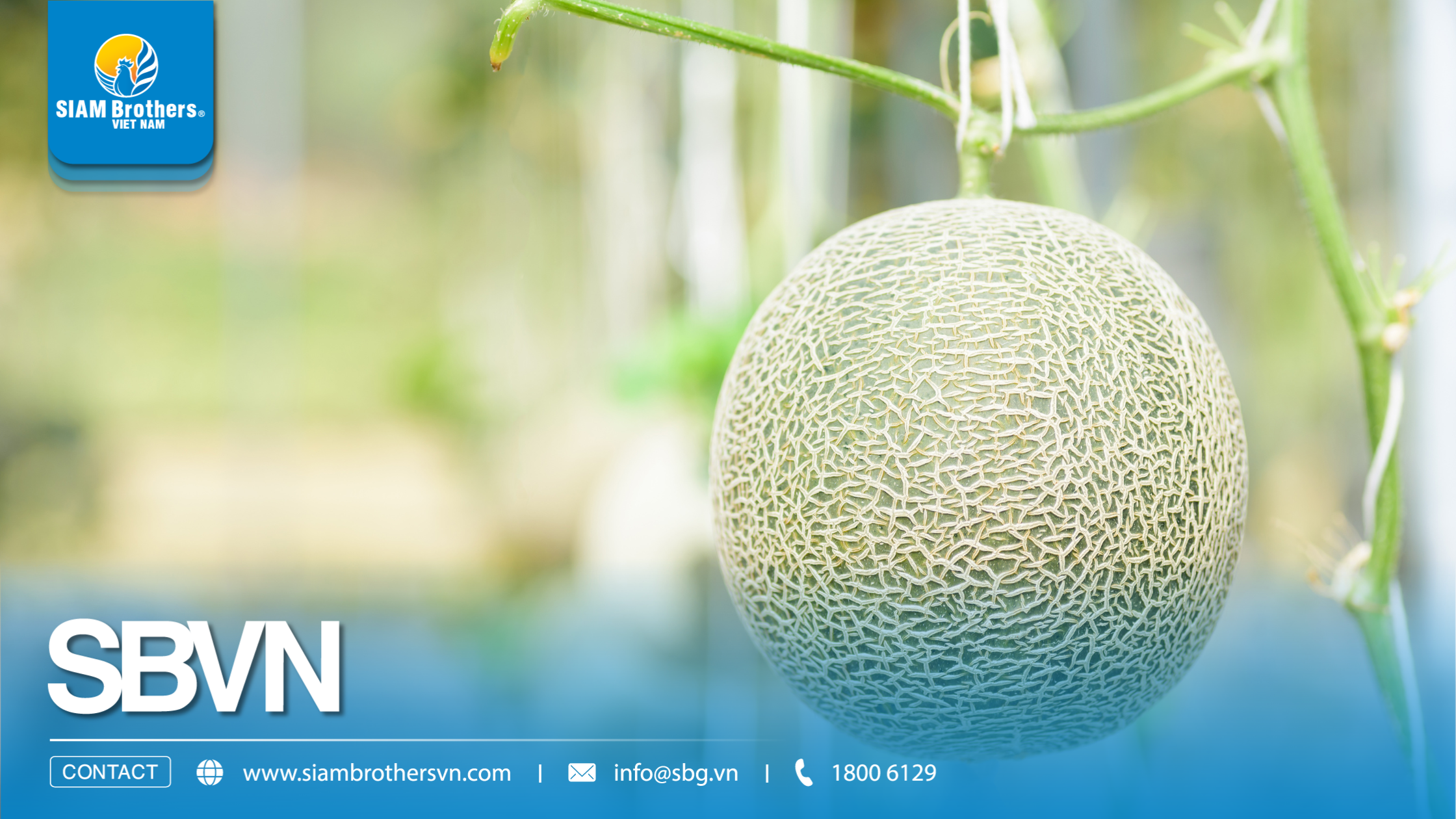
Not every greenhouse model requires the same type of hanging rope.
Small farms, experimental gardens, and large commercial production facilities have different requirements regarding rope strength, quantity, and packaging specifications.
Before purchasing, growers should consider:
- The total greenhouse area requiring installation.
- The number of melon plants that need support.
- The expected rope usage period for each growing season.
- Whether the requirement is retail purchasing or bulk supply for large-scale production.
For agricultural supply distributors or greenhouse construction companies, choosing a supplier with stable production capacity helps ensure consistent supply, especially during peak farming seasons.
A reliable melon hanging rope supplier can provide suitable solutions for different greenhouse cultivation models, from small-scale farms to commercial operations.
Answer:
A suitable melon hanging rope for greenhouse cultivation should have strong load-bearing capacity, high durability, and the ability to withstand greenhouse conditions where humidity and temperature frequently change.
When selecting a hanging rope, growers should prioritize:
- Ropes with stable load capacity throughout the plant growth and fruit development stages.
- Durable materials that minimize stretching, wear, or degradation after long-term use.
- Proper flexibility for easy stem wrapping and secure fixing without damaging the plant.
- Rope dimensions that match the planting scale and plant density.
According to the technical experience of SIAM Brothers Vietnam, selecting the right type of rope from the beginning helps reduce replacement costs and minimize the risk of plant damage or collapse during the fruiting and harvesting stages.
Answer:
Not every case requires replacing the melon hanging rope after each cultivation cycle.
The decision to reuse or replace the rope depends on its actual condition after use. Growers should inspect:
- Whether the rope shows signs of fraying, cracking, or deformation.
- Whether the rope tension and load-bearing capacity remain stable.
- Whether high-load areas or fixing points show signs of deterioration.
For large-scale commercial farms, replacing ropes at the appropriate time helps reduce the risk of damage affecting the entire greenhouse crop system.
Regular inspection and maintenance allow growers to maximize rope lifespan while maintaining safe plant support throughout the growing cycle.
Answer:
A basic greenhouse melon hanging rope trellis system usually includes:
- An overhead trellis frame or load-bearing horizontal bars inside the greenhouse.
- Melon hanging rope used to support individual plants.
- Hanging hooks, fixing clips, or other supporting accessories.
- Tools for tying, adjusting, and maintaining the rope system during cultivation.
Depending on the greenhouse size and the number of plants, growers can design different hanging systems to match their production requirements.
For large-scale farms, calculating the total load capacity and selecting suitable ropes from the beginning helps ensure the entire support system operates safely and efficiently throughout the growing season.
Answer:
Melon plants have soft stems, and their weight increases significantly when they enter the fruit development stage.
Without a proper support system, plants can easily lean, break, or experience reduced fruit quality.
Using a melon hanging rope system helps:
- Maintain vertical plant growth.
- Create better airflow and more open space between plants.
- Make pruning, plant care, and fruit inspection easier.
- Maximize greenhouse growing space.
This is why modern commercial melon farms often combine trellis systems with specialized hanging ropes to better control plant growth, improve management efficiency, and optimize production results.
Answer:
For farms, agricultural businesses, and agricultural supply distributors, choosing a supplier with stable production capacity is essential to ensure consistent quality and supply.
When selecting a melon hanging rope supplier, buyers should consider:
- Experience in manufacturing agricultural ropes.
- The ability to provide large quantities according to production requirements.
- Technical consultation and support in choosing suitable rope solutions for different cultivation models.
With more than 30 years of experience producing ropes for fisheries, agriculture, and industrial applications, SIAM Brothers Vietnam provides reliable melon hanging rope solutions for various greenhouse farming models.
Businesses, distributors, and greenhouse farms can contact SIAM Brothers Vietnam for consultation on selecting suitable rope products based on their actual cultivation needs.
The melon hanging rope plays an essential role in creating a stable support system for modern greenhouse melon cultivation.
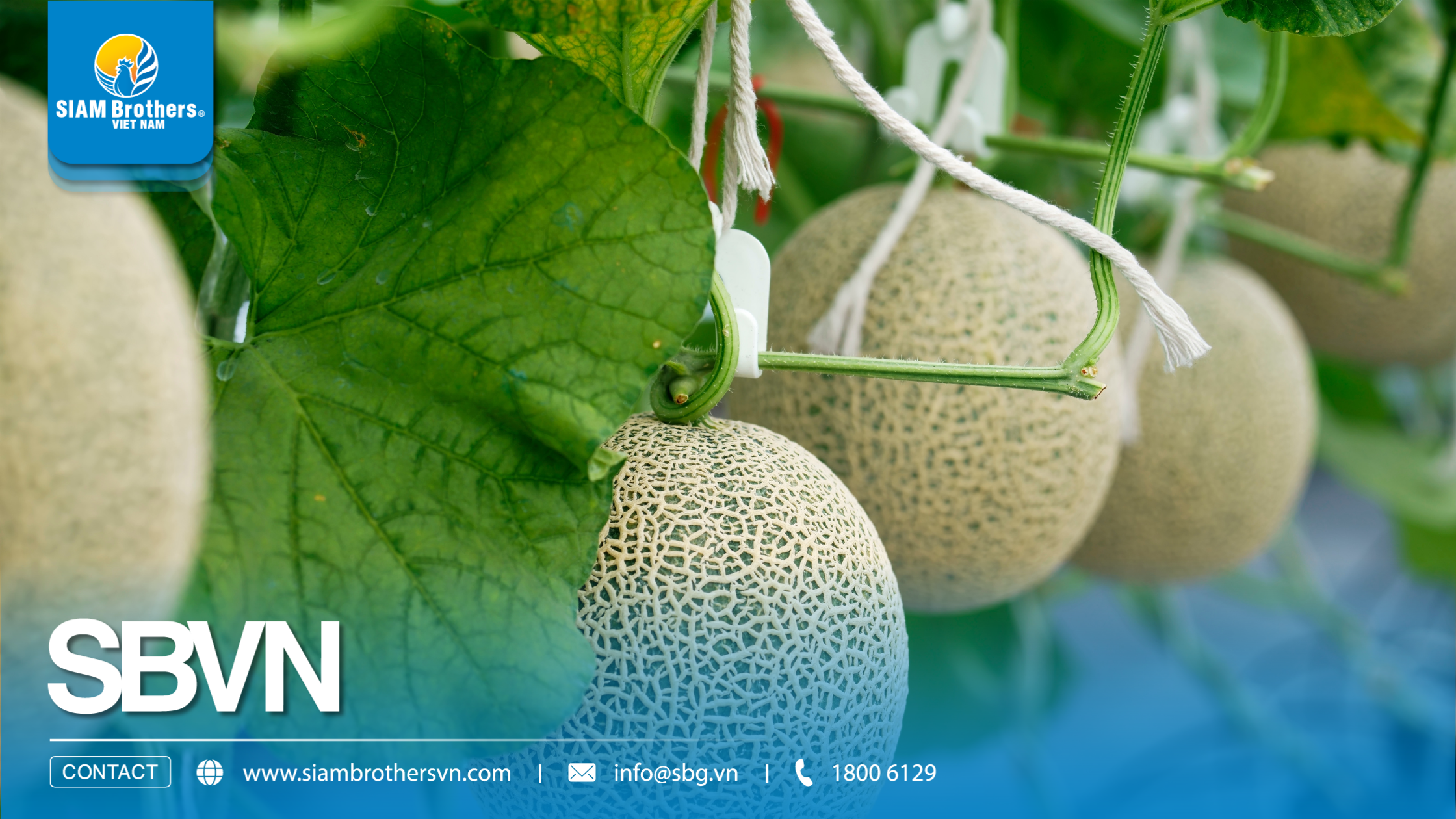
Choosing the right rope does not only help plants grow healthier but also reduces the risk of stem breakage and crop damage during the fruit development stage.
By following the installation and selection guidelines above, growers can easily build a durable melon hanging rope trellis system, improve plant care efficiency, and increase harvesting productivity.
Contact SIAM Brothers Vietnam today for professional support and suitable rope solutions for your greenhouse cultivation system. Choose the right melon hanging rope to build a more efficient and sustainable farming model.
Source: SIAM Brothers Vietnam
Contact us:
► Address: 5th floor, VRG Building, 177 Hai Ba Trung Street., Xuan Hoa Ward, Ho Chi Minh City, Vietnam
► Hotline: 1800 6129
► Tel: (+84) 28 38 912 889
► Email: info@sbg.vn
► Follow us for more details at: Facebook - Zalo OA - Tiktok - Youtube - LinkedIn
Download SBVN ID app here:
► CHPlay
► Appstore









Specializing in Agricultural and Fisheries Products & Multipurpose Wire