Industry News

Is PE Plastic Good for Rope Manufacturing? A Detailed PE vs. PP vs. Nylon Comparison from A–Z

  • 20/04/2026

Is PE Plastic really a good choice for rope manufacturing? This detailed comparison of PE Plastic, PP, and Nylon explores durability, cost, and real-world applications to help you choose the right material and optimize long-term costs.

Is PE Plastic truly the optimal material for ropes used in the fishing and agricultural industries, or is it simply a “low-cost” option that many people continue using out of habit? In this article, SIAM Brothers VN provides a detailed analysis of PE Plastic properties while directly comparing it with PP and Nylon in terms of durability, saltwater resistance, buoyancy, and long-term cost efficiency under Vietnam’s outdoor conditions. From a practical perspective in fisheries and agriculture, you will clearly understand when PE Plastic is the right choice and when alternative materials may deliver better performance and investment value.

1. What Is PE Plastic? Why Is It Used in Rope Manufacturing?

PE Plastic (Polyethylene) is one of the most widely used thermoplastic polymers today, especially in rope manufacturing for the fishing and agricultural sectors in Vietnam. If you are looking for a material that balances durability and cost efficiency, PE Plastic is a solution worth considering.

Key characteristics of PE Plastic include:

  • Produced through the polymerization of ethylene with a stable molecular structure
  • Classified as a thermoplastic material that is easy to process, extrude, and mass-produce

Commonly available in three main types:
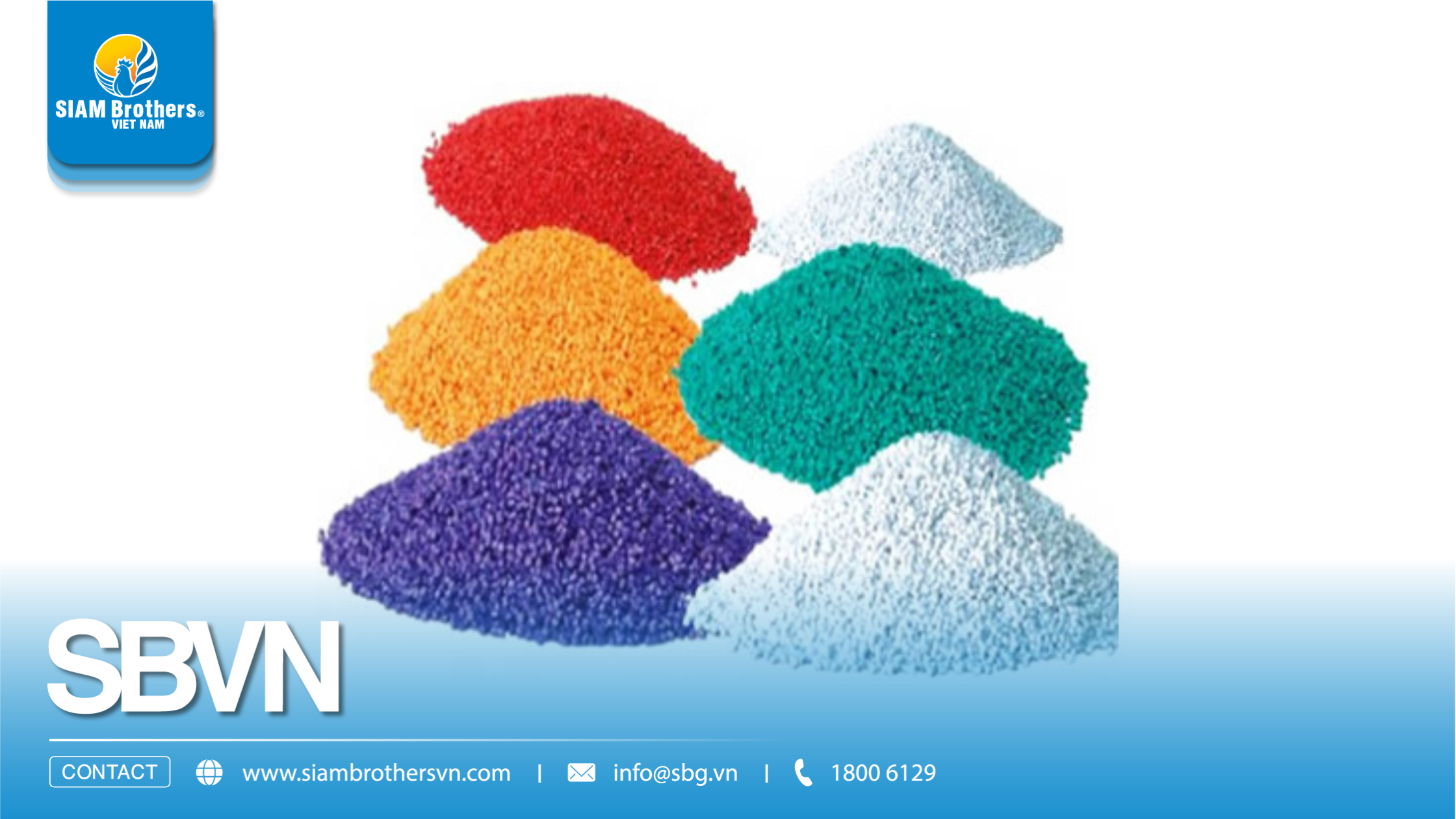
  • LDPE (Low-Density Polyethylene): soft and flexible
  • HDPE (High-Density Polyethylene): stronger and more rigid
  • LLDPE (Linear Low-Density Polyethylene): balanced flexibility and strength

Nhựa PE dùng trong dây thừng có tốt không? So sánh với PP, Nylon chi tiết từ A-Z

2. Is PE Plastic Good for Rope Manufacturing?

2.1 Advantages of PE Plastic in Rope Manufacturing

Based on practical manufacturing and real-world applications in the fishing industry, PE Plastic offers several significant advantages:

Excellent buoyancy
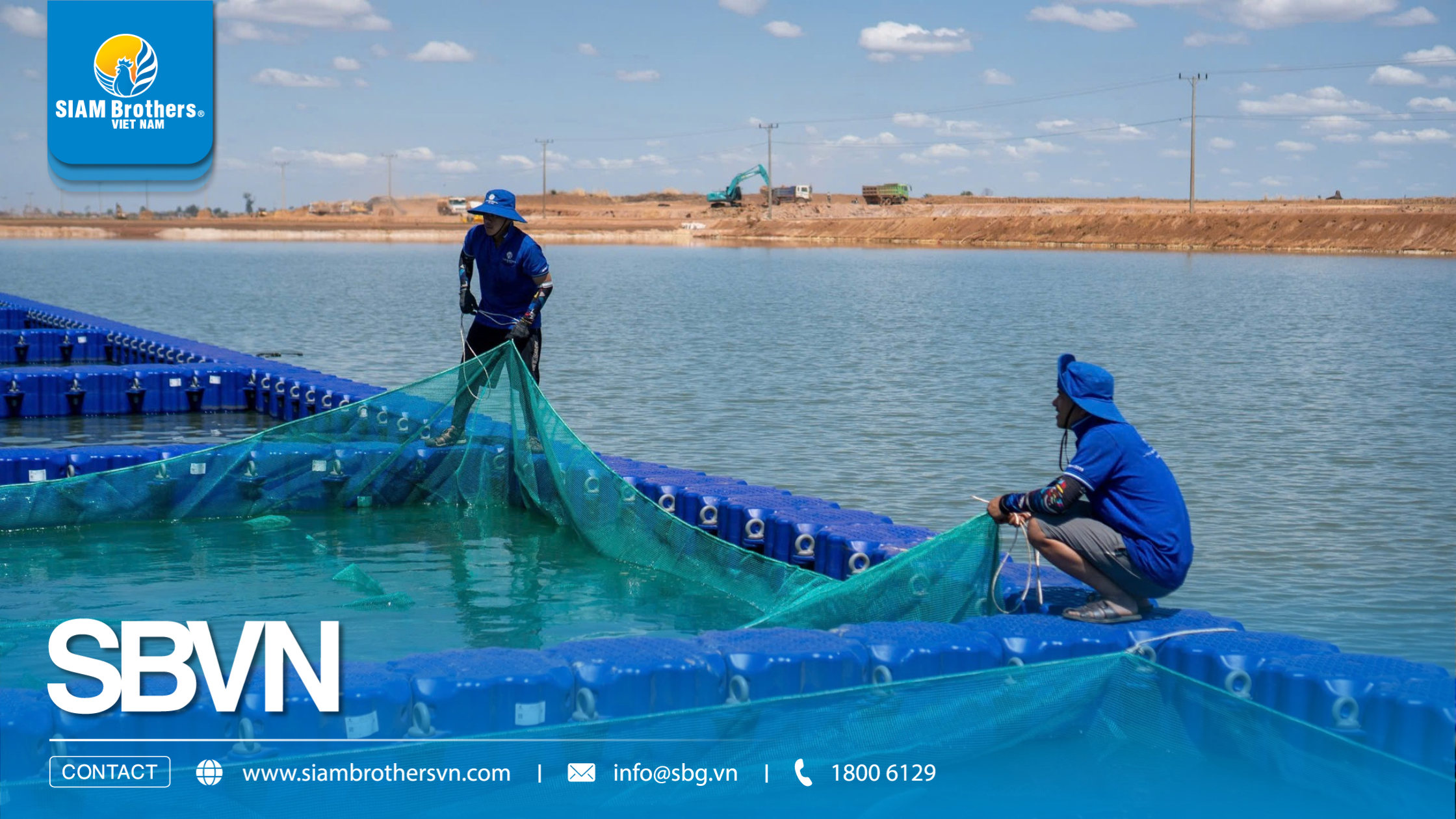
PE Plastic ropes float on water, making them ideal for fishing nets and floating cage mooring systems
Water-resistant properties
Maintains stable performance even after long-term exposure to saltwater
High flexibility
Easy to tie, handle, and operate in real working environments
Competitive pricing

  • Helps optimize costs for fishermen, distributors, and commercial businesses
  • These advantages make PE Plastic a practical option for applications that do not require extremely high tensile strength.

2.2 Disadvantages of PE Plastic to Consider

Besides its strengths, PE Plastic also has limitations that buyers should evaluate carefully before making a decision:

  • Lower tensile strength compared to Nylon
  • Less suitable for heavy-duty or high-load applications
  • Higher wear potential in high-friction environments
  • Requires proper fiber structure and manufacturing specifications

Understanding these limitations helps businesses and users avoid common mistakes when selecting rope materials.
Nhựa PE dùng trong dây thừng có tốt không? So sánh với PP, Nylon chi tiết từ A-Z

2.3 Real-World Evaluation: Is PE Plastic Suitable for Vietnam’s Conditions?

Under Vietnam’s climate and operating environments, PE Plastic is considered highly suitable for many practical applications:

  • Suitable for medium-duty use in fisheries and agriculture
  • More cost-effective than premium-grade materials

However, actual performance still depends on several important factors:

  • The quality of raw PE resin
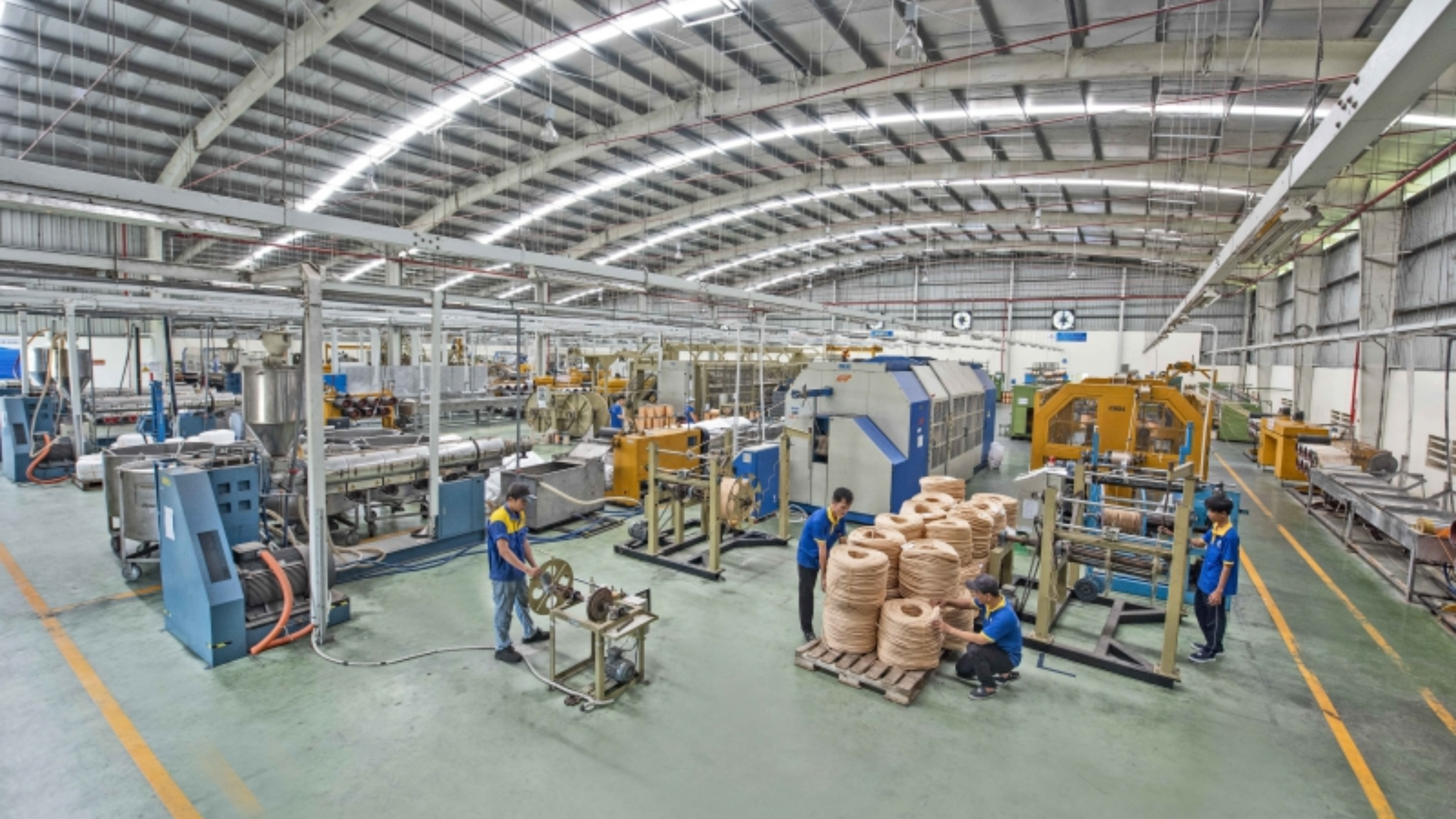
  • Rope manufacturing technology
  • Whether UV-resistant additives are applied
  • These factors create major differences between rope suppliers in the market.

2.4 When Should You Choose or Avoid PE Plastic Ropes?

If you need a quick answer before making a purchasing decision, here are practical recommendations based on real applications.
You should choose PE Plastic ropes when:

  • You need ropes that float on water
  • The ropes are used in fisheries or aquaculture systems
  • Cost efficiency and easy replacement are priorities

You should avoid PE Plastic ropes when:
  • High tensile strength or heavy-load performance is required
  • The ropes will be exposed to intense UV conditions for extended periods
  • Long-term durability exceeding five years is required without maintenance

Nhựa PE dùng trong dây thừng có tốt không? So sánh với PP, Nylon chi tiết từ A-Z

3. PE Plastic vs. PP vs. Nylon in Rope Manufacturing

Criteria PE Plastic (Polyethylene) PP Plastic (Polypropylene) Nylon (Polyamide)
Tensile Strength Medium, suitable for most general applications Medium, slightly stiffer than PE Very high, ideal for heavy loads
Buoyancy Floats well on water Floats well on water Does not float, sinks
Water Resistance Non-absorbent Non-absorbent Absorbs water and becomes heavier
Flexibility Soft and easy to handle Stiffer than PE Excellent elasticity and stretchability
UV Resistance Moderate, requires UV additives Similar to PE Lower UV resistance if untreated
Marine Environment Durability Good, resistant to corrosion Good Affected by water and UV exposure
Outdoor Lifespan 2–5 years depending on UV treatment  2–5 years Potentially long-lasting depending on conditions
Cost Low, cost-effective Low, competitive with PE Highest cost
Common Applications Fishing ropes, agricultural ropes, multipurpose ropes Packaging and light-duty tying ropes Heavy-duty towing and industrial applications

4. FAQs – Frequently Asked Questions About PE Plastic

4.1 What Is PE Plastic and Is It Suitable for Rope Manufacturing?

  • PE Plastic (Polyethylene) is a thermoplastic polymer known for being lightweight, water-resistant, and flexible.
  • Suitable for ropes used in fisheries, agriculture, and general-purpose applications
  • Particularly effective in saltwater environments and humid conditions in Vietnam

4.2 Is PE Plastic Durable for Outdoor Use?

PE Plastic offers moderate to good durability for outdoor applications.
Typical lifespan:
  • 2–3 years for products without UV treatment
  • 3–5 years or longer for products with UV-resistant additives

Durability depends on:

  • The quality of PE resin
  • Manufacturing technology
  • Environmental conditions during use

4.3 What Is the Difference Between PE Plastic and PP in Rope Manufacturing?

PE Plastic:
  • Softer and more flexible
  • Easier to handle and tie during use
PP Plastic:
  • Stiffer with lower elasticity
  • Better suited for certain fixed applications
In practice, both materials are widely used, but PE Plastic is generally more popular in the fishing industry.

4.4 Should You Choose PE Plastic or Nylon for Ropes?

Choose PE Plastic when:
  • You need lightweight ropes that float on water
  • Cost efficiency is a priority
Choose Nylon when:
  • High tensile strength is required
  • The application involves industrial or heavy-duty pulling tasks
There is no single “best” material for every application. The right choice depends on your actual usage requirements.

4.5 Is PE Plastic Safe for Agriculture and Aquaculture?

PE Plastic is considered non-toxic under normal usage conditions.
It is commonly used in:
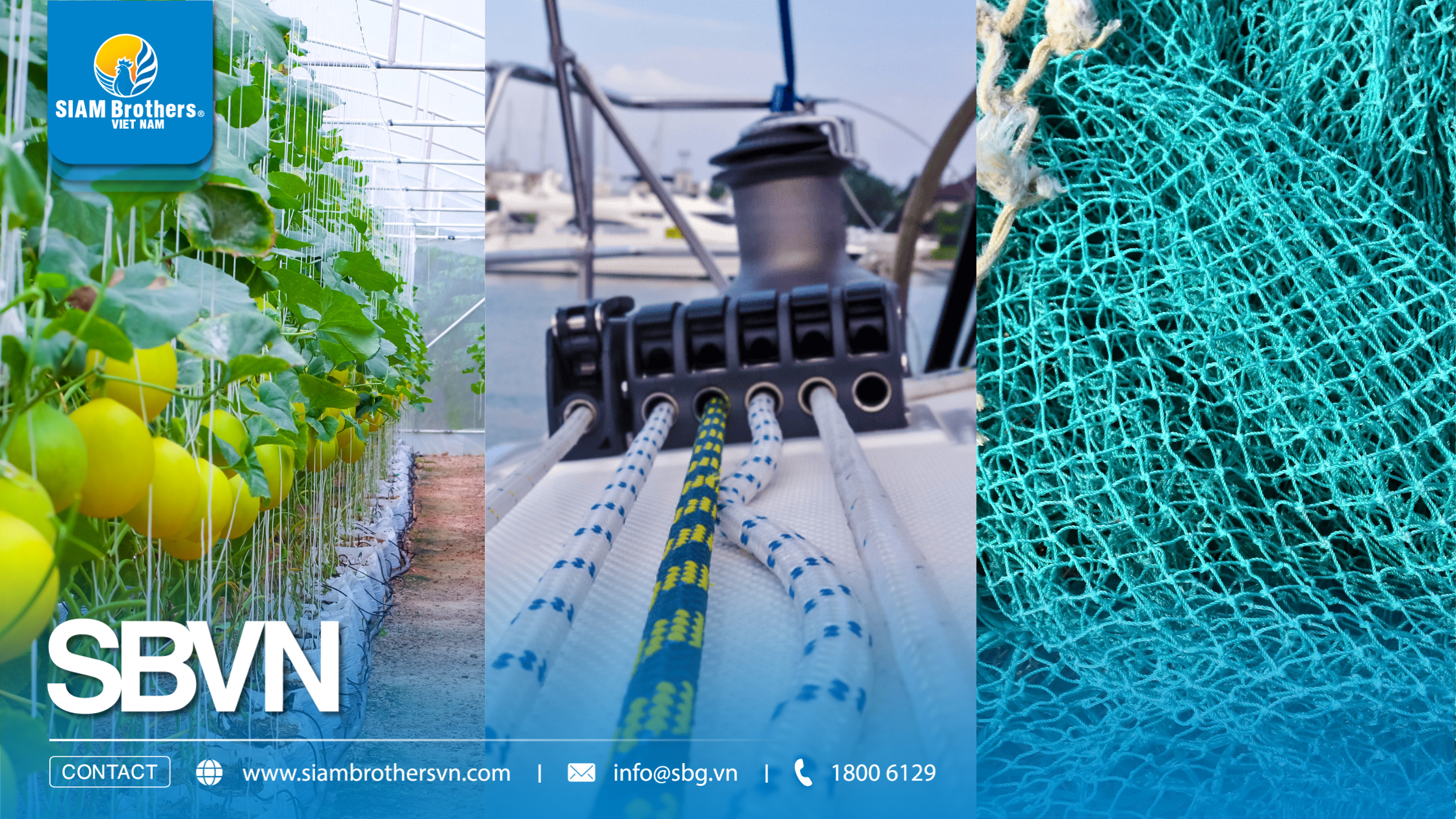
  • Crop tying ropes
  • Aquaculture net ropes
  • However, it is important to choose products from reputable manufacturers to ensure quality and safety standards.

4.6 How Can You Choose High-Quality PE Plastic Ropes?

  • Check the type of PE Plastic used (HDPE, LLDPE)
  • Prioritize products with UV-resistant treatment
  • Review technical specifications carefully
  • Select suppliers with proven manufacturing experience
Choosing the right rope from the beginning helps reduce costs and ensures long-term performance.

4.7 Is PE Plastic the Best Choice for Rope Manufacturing?

PE Plastic is an optimal solution for many common rope applications.
Suitable for fishermen, farmers, and distribution networks
Not the strongest material available, but it offers an excellent balance between cost and performance
 
Nhựa PE dùng trong dây thừng có tốt không? So sánh với PP, Nylon chi tiết từ A-Z
 
PE Plastic may not be the “best” material for every application, but it remains one of the most practical choices for fishing and agricultural ropes thanks to its buoyancy, water resistance, and cost efficiency. Compared with PP and Nylon, PE Plastic stands out for its flexibility and economic advantages under Vietnam’s real-world environmental conditions. However, achieving long-term performance requires selecting the right PE grade and prioritizing products with UV protection. Making the right investment from the start helps reduce replacement costs and improve operational efficiency. If you are looking for reliable rope solutions, contact SIAM Brothers Vietnam for expert consultation and material recommendations tailored to your specific needs.


Source: SIAM Brothers Vietnam


Contact us:

► Address: 5th floor, VRG Building, 177 Hai Ba Trung Street., Xuan Hoa Ward, Ho Chi Minh City, Vietnam

► Hotline: 1800 6129

► Tel: (+84) 28 38 912 889

► Email: info@sbg.vn

 Follow us for more details at: Facebook - Zalo OA - Tiktok - Youtube - LinkedIn

Download SBVN ID app here:

 CHPlay

► Appstore

Nhựa PE dùng trong dây thừng có tốt không? So sánh với PP, Nylon chi tiết từ A-Z