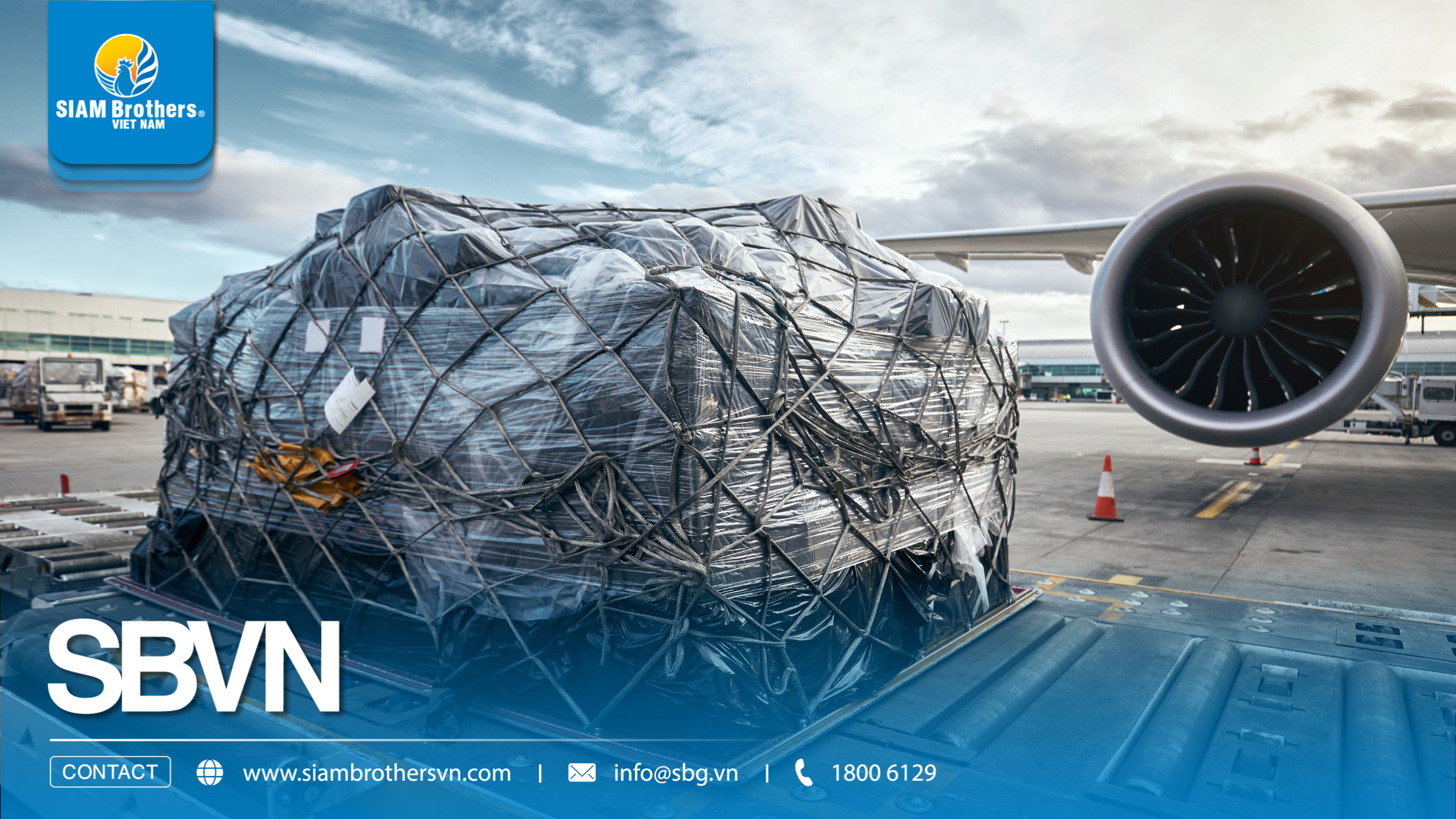
Cargo Tie-Down Rope is an essential solution for keeping goods securely in place during packaging, transportation, and storage. But with so many options available, how do you know which type of rope is right for your specific needs? This is a common question among businesses, material suppliers, farmers, and fishermen looking for reliable, high-quality products.
In this article, SIAM Brothers Vietnam introduces the top 3 most popular types of Cargo Tie-Down Rope: PP rope, PE rope, and traditional rope. We will look at the advantages, load capacity, and practical applications of each type, helping you choose the right solution for packaging, industrial production, agriculture, or fisheries.
SIAM Brothers Vietnam supplies a wide range of quality ropes designed to meet diverse cargo-securing and industrial needs.
1. What Is Cargo Tie-Down Rope? Why Is It Widely Used Across Different Industries?
1.1. What Is Cargo Tie-Down Rope?
Cargo Tie-Down Rope is a type of rope specifically designed to secure, bundle, or hold products together during packaging, transportation, and storage. It can be manufactured from a variety of materials, including PP, PE, nylon, and other high-strength synthetic fibers.
In practical applications, Cargo Tie-Down Rope is used for a wide range of products, including:
- Carton boxes, sacks, and cargo bundles in warehouses and factories.
- Agricultural products such as vegetables, fruits, seedlings, and farming supplies.
- Equipment and machinery that needs to be secured during transportation.
- Fishing gear and equipment used on boats or in aquaculture areas.
- Different types of cargo that need to be bundled, secured, or transported over long distances.
There is no single type of rope that works for every application. A lightweight package being handled inside a warehouse may require a different rope from heavy cargo that is frequently exposed to water or outdoor conditions.
1.2. Why Is Cargo Tie-Down Rope Widely Used Across Different Industries?
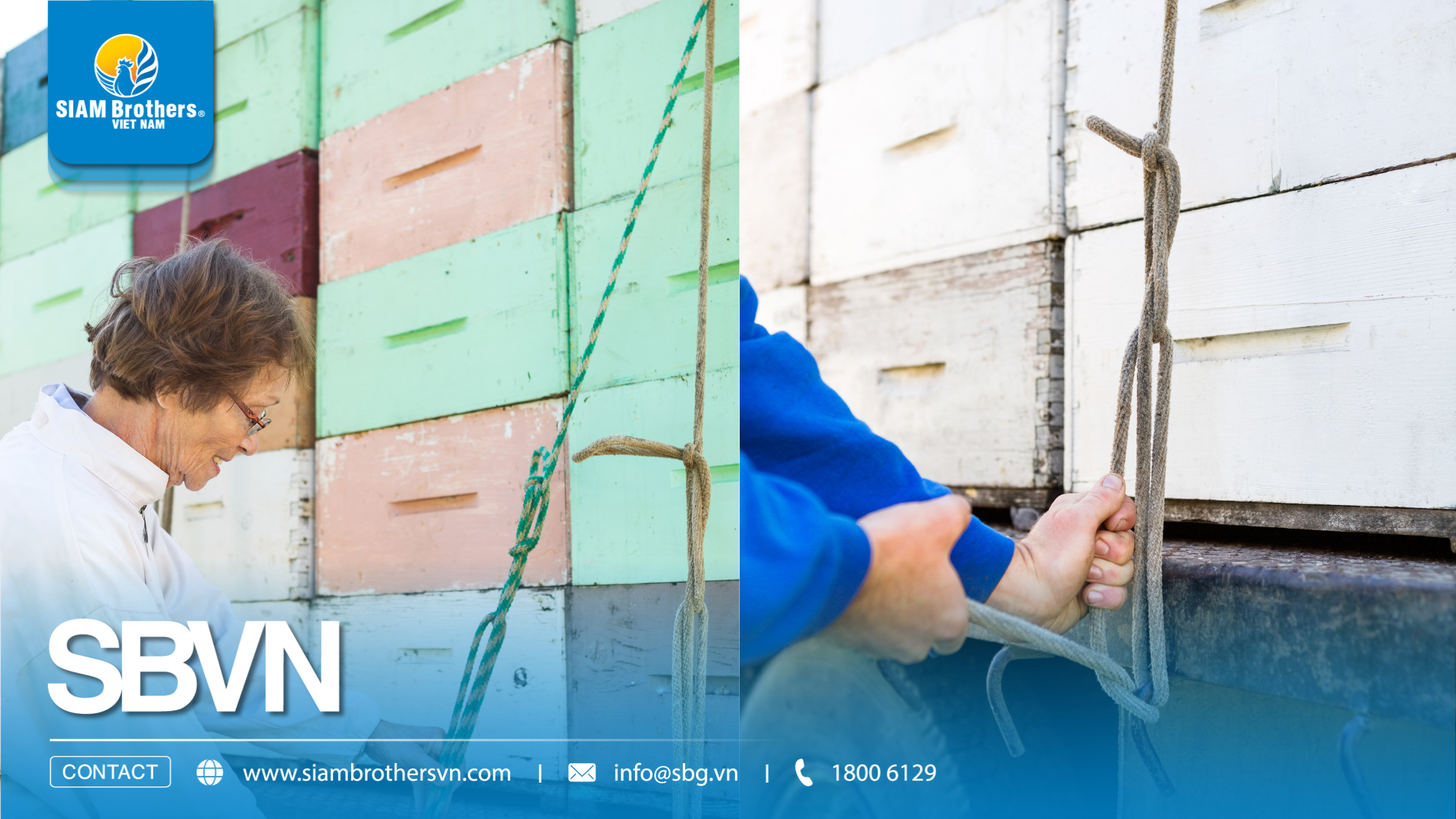
Cargo Tie-Down Rope is widely used by businesses, material suppliers, and individual users because it can adapt to a variety of cargo-securing requirements.
Some of its key advantages include:
- Securely holds cargo in place:
- Rope helps keep products stable during loading, unloading, and transportation, reducing the risk of cargo shifting, tipping over, or becoming damaged or lost.
Available in different sizes and load capacities:
Users can choose ropes with different diameters, constructions, and strength levels based on the weight and characteristics of the cargo.
Suitable for a wide range of environments:
Some plastic ropes, such as PP and PE rope, offer good moisture resistance, making them suitable for warehouses, agricultural applications, and areas frequently exposed to outdoor conditions.
Helps optimize operating costs:
Choosing the right type of rope can reduce replacement costs and minimize cargo-securing problems during transportation.
2. Top 3 Most Popular Types of Cargo Tie-Down Rope
2.1. PP Rope for Cargo Tie-Down - An Affordable Choice for Everyday Packaging
PP rope, made from Polypropylene, is one of the most widely used types of Cargo Tie-Down Rope thanks to its lightweight construction, easy handling, and cost-effectiveness. It is a familiar choice for everyday packaging, sorting, and cargo-handling applications.
Some of the key characteristics of PP rope include:
- Made from Polypropylene fibers with good flexibility.
- A relatively soft surface that helps minimize scratching or damage to products.
- Available in various sizes and specifications to suit different applications.
Advantages of PP Rope
PP rope is a practical choice for customers looking for a simple yet effective cargo-securing solution:
Low initial cost.
- Easy to cut, tie, and handle manually.
- Suitable for high-volume packaging operations.
- Practical Applications
PP rope is commonly used for:
- Securing packages and carton boxes.
- Bundling cargo in warehouses and factories.
- Securing lightweight and medium-weight products.
- Packaging agricultural products such as vegetables, fruits, and seedlings.
For example: Agricultural collection facilities can use PP rope to bundle products before transporting them to warehouses or distribution points. This helps save handling time while reducing the risk of products becoming disorganized during transportation.
2.2. PE Rope for Cargo Tie-Down - A Durable Solution for Outdoor Conditions
If you need a rope with good flexibility, moisture resistance, and the ability to withstand frequent outdoor exposure, PE rope (Polyethylene) is an option worth considering.
Compared with some conventional rope types, PE rope can maintain good durability during continuous use, particularly in industries where work is frequently carried out outdoors.
PE rope offers several useful characteristics:
- Made from high-strength Polyethylene material.
- Good moisture resistance and better protection against environmental exposure.
- Good flexibility and resistance to breaking under pulling forces.
Advantages of PE Rope
Key benefits include:
- Durable for long-term use under suitable operating conditions.
- Easy to combine with different cargo-securing methods.
Practical Applications
PE rope is commonly used for:
- Securing cargo for long-distance transportation.
- Securing materials at construction sites.
- Holding equipment and materials together in areas frequently exposed to water.
For example: Farms and agricultural production facilities may prefer PE rope for securing materials outdoors because it can adapt well to changing conditions such as sunlight and rain.
2.3. Rope for Cargo Tie-Down - A Choice for Applications Requiring Greater Strength
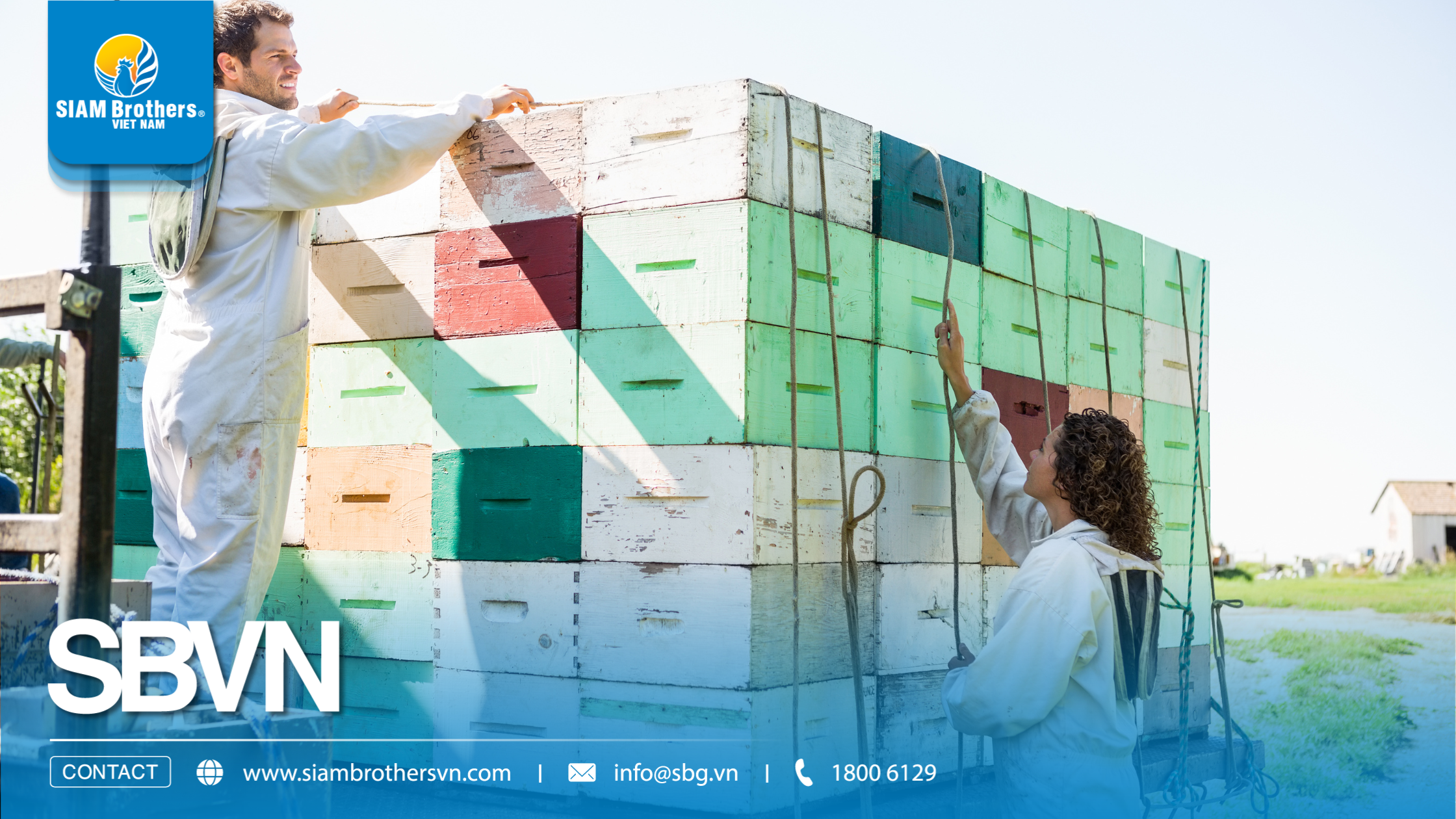
For heavier loads or applications requiring higher tensile strength, rope can be a suitable solution for a wide range of industries.
Unlike some conventional plastic tying materials, rope is typically constructed from multiple strands that are twisted or braided together. This construction can improve tensile strength and stability during use.
Key characteristics include:
- Made from multiple tightly twisted synthetic strands.
- Good tensile strength.
- Available in different materials, including PP, PE, and nylon, depending on the application.
- Available in various sizes to accommodate different load requirements.
Rope is commonly used for:
- Securing machinery and equipment during transportation.
- Tying and securing industrial materials.
- Fishing and marine applications.
- Aquaculture operations.
- Applications requiring higher load capacity and strength.
With years of experience manufacturing ropes for the fisheries, agriculture, and industrial sectors, the technical team at SIAM Brothers Vietnam pays close attention to raw material selection, fiber strength, and rope construction. These factors are carefully controlled to help ensure that each product meets the practical requirements of its intended application.
3. Comparing the 3 Most Popular Types of Cargo Tie-Down Rope
| Criteria |
PP Rope |
PE Rope |
Rope |
| Material |
Polypropylene |
Polyethylene |
Synthetic fibers such as PP, PE, nylon, or specialized materials |
| Key characteristics |
Lightweight, flexible, easy to handle |
Durable, moisture-resistant, highly flexible |
Strong, with good tensile strength |
| Load capacity |
Suitable for light to medium loads |
Higher than PP rope, suitable for a wide range of applications |
High, suitable for heavy loads |
| Moisture resistance |
Good |
Very good |
Depends on the material used |
| Cost |
Cost-effective |
Moderate |
Varies by type and specification |
| Main applications |
Packaging and bundling |
Warehousing, logistics, agriculture, outdoor use |
Industrial applications, fisheries, and heavy-load transportation |
4. FAQs – Frequently Asked Questions About Cargo Tie-Down Rope
4.1. Which Type of Cargo Tie-Down Rope Is the Strongest?
There is no single type of Cargo Tie-Down Rope that is the strongest for every application. Rope strength depends on factors such as the material, rope diameter, construction, and intended use.
PP rope:
- Suitable for light to medium-duty tying applications.
- Commonly used for packaging, bundling, and securing carton boxes.
PE rope:
- Offers good durability and better moisture resistance.
- Suitable for cargo used outdoors or in humid environments.
Rope:
- Offers good tensile strength.
- Suitable for heavy loads, equipment, industrial materials, and fishing or aquaculture applications.
Based on SIAM Brothers Vietnam's practical manufacturing experience, customers should select rope according to the actual load requirements rather than assuming that a larger-diameter rope is always better.
4.2. Should You Choose PP or PE Rope for Securing Cargo?
Both PP and PE rope are widely used for packaging and transportation, but each is better suited to different applications.
Choose PP rope when:
- You need a lightweight, easy-to-handle rope.
- You are packaging goods inside a warehouse or factory.
- The cargo is not frequently exposed to outdoor conditions.
Choose PE rope when:
- You need greater flexibility and durability.
- The cargo needs to remain secured for an extended period.
- Better moisture resistance is required.
For example: A shop that packages products every day may prefer PP rope to keep operating costs under control. A farm or business transporting materials outdoors, on the other hand, may find PE rope more suitable.
4.3. What Load Can Cargo Tie-Down Rope Handle?
The load capacity of a rope depends on several factors, including:
- The material used to manufacture the rope.
- Rope diameter.
- Twist or strand construction.
- The tying method and how the cargo is secured.
In general:
- Smaller-diameter rope:
- Suitable for lightweight cargo.
- Commonly used for product and packaging applications.
Larger-diameter rope:
- Suitable for heavier cargo.
- Used for transporting materials and equipment.
For an accurate recommendation, customers should provide information about the cargo weight, operating environment, and intended tying application. The SIAM Brothers Vietnam technical team can help recommend a suitable rope specification rather than relying solely on rope size.
4.4. Can Cargo Tie-Down Rope Be Used Outdoors?
Yes. However, not every type of rope is suitable for long-term outdoor use.
For outdoor applications, customers should prioritize rope that offers:
- Good moisture resistance.
- Resistance to demanding weather conditions.
- Stable durability during continuous use.
Common applications include:
- Securing agricultural materials on farms.
- Securing cargo in outdoor storage areas.
- Holding equipment together in humid environments.
For industries that are frequently exposed to water, such as fisheries and aquaculture, choosing the right rope material can help extend service life and reduce premature deterioration.
4.5. Should You Buy Cargo Tie-Down Rope in Bulk Directly from a Manufacturer?
For businesses and distributors with regular rope requirements, purchasing directly from a manufacturer can offer several advantages.
These may include:
- A more reliable and consistent supply.
- Better consistency in rope quality between production batches.
- More options for sizes, colors, and specifications.
- Better cost efficiency when ordering in large quantities.
For manufacturers, logistics businesses, warehouses, and material suppliers, working with an experienced supplier can also help reduce the risk of stock shortages or inconsistent product quality between orders.
4.6. Where Can You Buy High-Quality, Reliable Cargo Tie-Down Rope?
When choosing a supplier, look for a company with:
- Extensive experience manufacturing rope for different industries.
- A clear rope quality-control process.
- The capacity to supply large quantities of Cargo Tie-Down Rope.
- A technical team capable of recommending products based on actual application requirements.
SIAM Brothers Vietnam manufactures and supplies rope products for a wide range of industries, including:
- Fisheries.
- Agriculture.
- Industrial applications.
- Transportation and logistics.
Our product range includes:
- PP rope.
- PE rope.
- Rope.
- General-purpose rope.
With extensive technical and manufacturing experience, SIAM Brothers Vietnam focuses on providing application-specific rope solutions. This helps customers select the right product from the start, improve performance, and optimize long-term operating costs.
Cargo Tie-Down Rope is an essential solution for securing products safely during packaging, storage, and transportation. Depending on the type of cargo, operating environment, and required load capacity, you can choose PP rope, PE rope, or rope to achieve the right balance of performance and cost. Each type has its own advantages, from cost-effectiveness and flexibility to durability and load-bearing performance in demanding conditions. Choosing the right rope not only helps protect your cargo but can also reduce replacement costs and improve overall operational efficiency. If you are looking for a reliable Cargo Tie-Down Rope solution for your business, distribution operation, or production needs, contact SIAM Brothers Vietnam for expert guidance on choosing the right rope for your specific application.
Source: SIAM Brothers Vietnam
Contact us:
► Address: 5th floor, VRG Building, 177 Hai Ba Trung Street., Xuan Hoa Ward, Ho Chi Minh City, Vietnam
► Hotline: 1800 6129
► Tel: (+84) 28 38 912 889
► Email: info@sbg.vn
► Follow us for more details at: Facebook - Zalo OA - Tiktok - Youtube - LinkedIn
Download SBVN ID app here:
► CHPlay
► Appstore