
- 1800 6129

A High-Tech Shrimp Farming Model is becoming a preferred investment choice for aquaculture enterprises, cooperatives, and shrimp farmers in Bac Lieu, Ca Mau, and Soc Trang thanks to its ability to maximize productivity while minimizing operational risks. However, what enables these modern farming systems to maintain long-term stability in harsh saline environments?
One of the key factors is the integration of HDPE plastic floats into floating shrimp farming structures. Known for their durability, corrosion resistance, and long service life, HDPE floats provide reliable support for modern aquaculture systems operating in challenging coastal conditions.
In this article, SIAM Brothers Vietnam explores the key advantages of using HDPE plastic floats in a High-Tech Shrimp Farming Model, along with practical insights on selecting the most suitable floating system for different shrimp farming scales and operational requirements.
A High-Tech Shrimp Farming Model refers to an advanced shrimp farming approach that incorporates modern technologies into farm operations, water quality management, and disease control processes. The goal is to increase productivity, reduce risks, and optimize long-term operational costs.
Today, this farming method is increasingly adopted by aquaculture businesses and shrimp farmers across Bac Lieu, Soc Trang, Ca Mau, and Kien Giang as an alternative to traditional farming practices.
Instead of relying solely on manual experience, farmers utilize a range of supporting systems, including:
A practical example can be seen in many coastal farming areas of the Mekong Delta, where farms are replacing conventional floating materials with HDPE floats combined with nets and mooring systems to improve stability during changing weather conditions and tidal fluctuations.
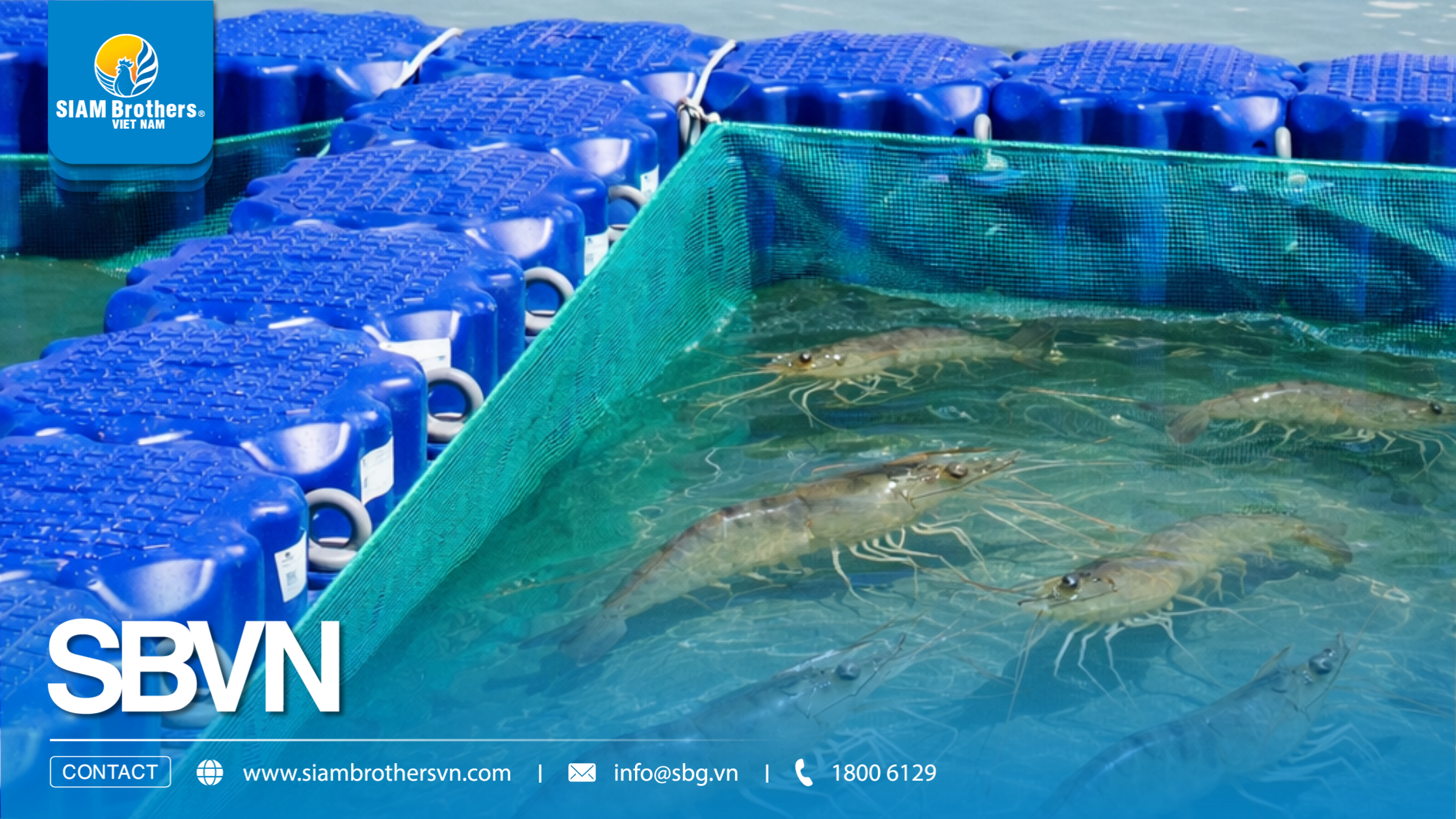
Why Is the High-Tech Shrimp Farming Model Becoming More Popular?
Over the past few years, the aquaculture industry has faced several challenges, including:
As a result, many farmers are turning to more advanced shrimp farming solutions to improve operational control and reduce production risks.
Key advantages driving the popularity of the High-Tech Shrimp Farming Model include:
One of the main reasons shrimp farms choose HDPE floats is their extended service life.
Compared to conventional floating materials, HDPE offers:
For aquaculture systems operating year-round, material durability is a critical factor. Premature float deterioration can result in increased replacement and maintenance costs.
Many shrimp farmers in the Mekong Delta have reported significantly lower damage rates after storm seasons following the adoption of HDPE floating systems.
In a High-Tech Shrimp Farming Model, the stability of floating infrastructure directly impacts operational efficiency.
When HDPE floats are combined with suitable mooring ropes and anchoring systems, they help:
Many farmers assume that HDPE floats require a higher initial investment. However, over the long term, they often prove more cost-effective.
Key benefits include:
For example, floating systems made from lower-quality materials may develop cracks or lose buoyancy after only a few production cycles. Replacing damaged components can disrupt farm operations and increase costs. Properly installed HDPE floats typically offer a much longer service life.
Scalability is a major consideration for long-term aquaculture investments.
HDPE float systems are designed for flexibility and can be easily:
For shrimp farms transitioning to intensive or super-intensive farming systems, scalable infrastructure helps optimize future investment costs.
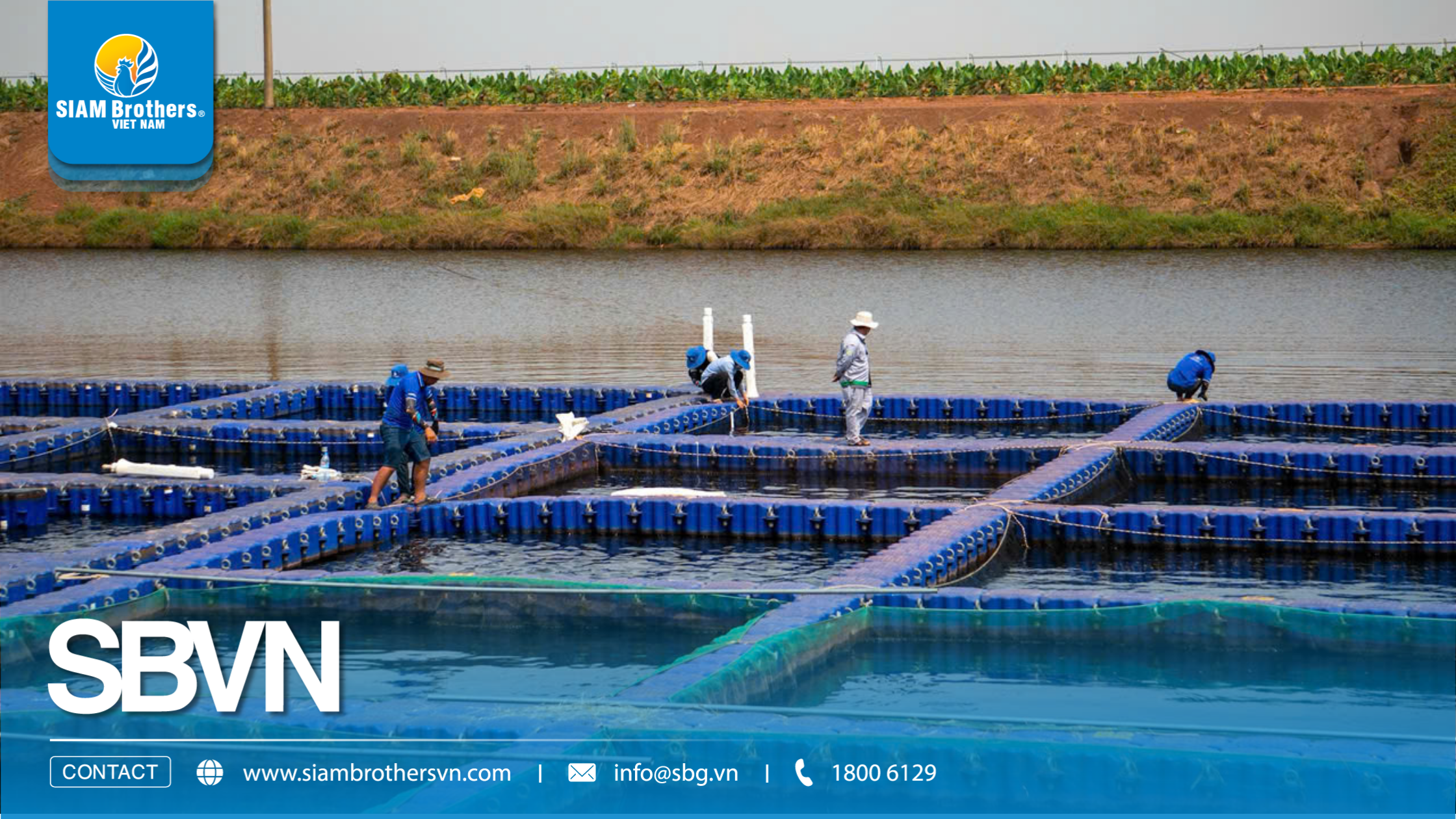
HDPE plastic floats are buoyancy devices manufactured from High-Density Polyethylene (HDPE), a durable thermoplastic known for its excellent mechanical strength and environmental resistance.
In aquaculture, HDPE floats are commonly used for:
Compared with traditional floating materials, HDPE performs more reliably under:
This is why many aquaculture enterprises prefer HDPE floats for large-scale farming operations.
The widespread use of HDPE floats can be attributed to their robust construction.
Typical features include:
In coastal aquaculture areas exposed to intense sunlight and saline water, low-quality materials often become brittle and crack after several farming seasons. Properly manufactured HDPE floats offer significantly better long-term performance.
When investing in modern aquaculture systems, farmers focus on operational stability and long-term cost efficiency. HDPE floats excel in both areas.
Excellent Corrosion Resistance
Outstanding Outdoor Durability
Enhanced Floating System Stability
Lower Operating Costs
These advantages make HDPE plastic floats an essential component in building efficient, durable, and sustainable high-tech shrimp farming systems.
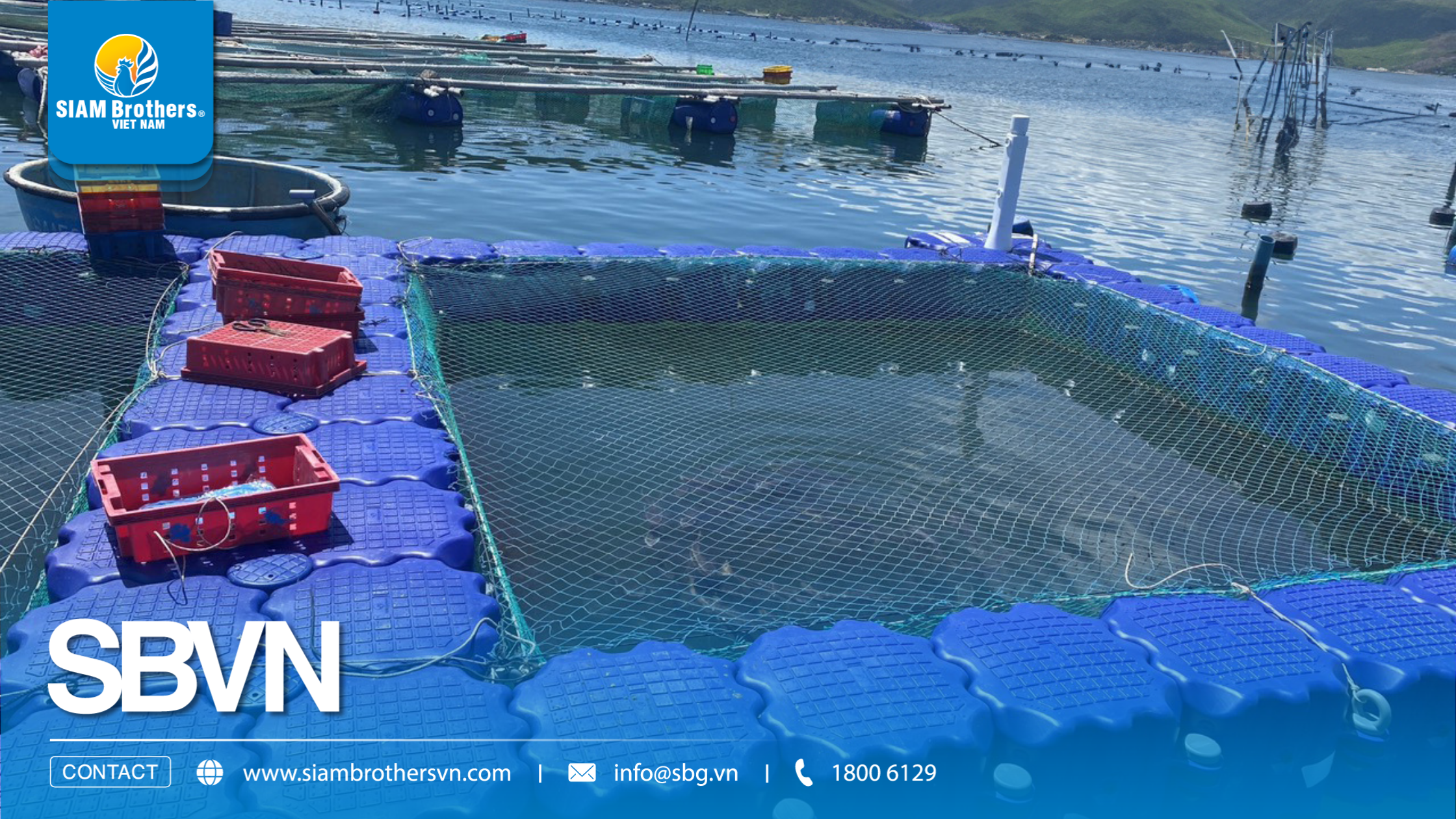
One of the most common challenges shrimp farmers face is the rapid deterioration of equipment exposed to seawater and intense sunlight over long periods.
HDPE plastic floats offer several advantages, including:
These characteristics make HDPE floats particularly suitable for shrimp farming operations in Vietnam’s coastal regions, where weather conditions can change significantly throughout the year.
For large-scale shrimp farms, the stability of floating infrastructure directly affects operational efficiency.
When combined with suitable mooring ropes and high-strength ropes, HDPE floats help:
In practice, many shrimp farms located near estuaries experience accelerated wear and tear when using low-quality floating materials. HDPE floats provide greater structural stability and longer-lasting performance.
Long-term investors often consider maintenance costs a key factor when selecting aquaculture infrastructure.
Compared to conventional floating materials, HDPE floats help:
Although the initial investment may be higher, HDPE floats often provide better long-term value due to their extended service life and lower maintenance needs.
As shrimp farms expand, operators often need to increase production areas and upgrade infrastructure.
HDPE float systems allow farmers to:
This flexibility is particularly beneficial for businesses transitioning from traditional shrimp farming to intensive or super-intensive farming systems.
Global seafood markets increasingly demand environmentally responsible and sustainable aquaculture practices.
As a result, HDPE materials are becoming more widely adopted across the shrimp farming industry.
Key sustainability benefits include:
When integrated with PP ropes, aquaculture nets, and reliable anchoring systems, HDPE floats contribute to a more stable and sustainable farming operation.
The success of an aquaculture system depends not only on productivity but also on its ability to operate efficiently over the long term.
Using HDPE floats in a High-Tech Shrimp Farming Model helps:
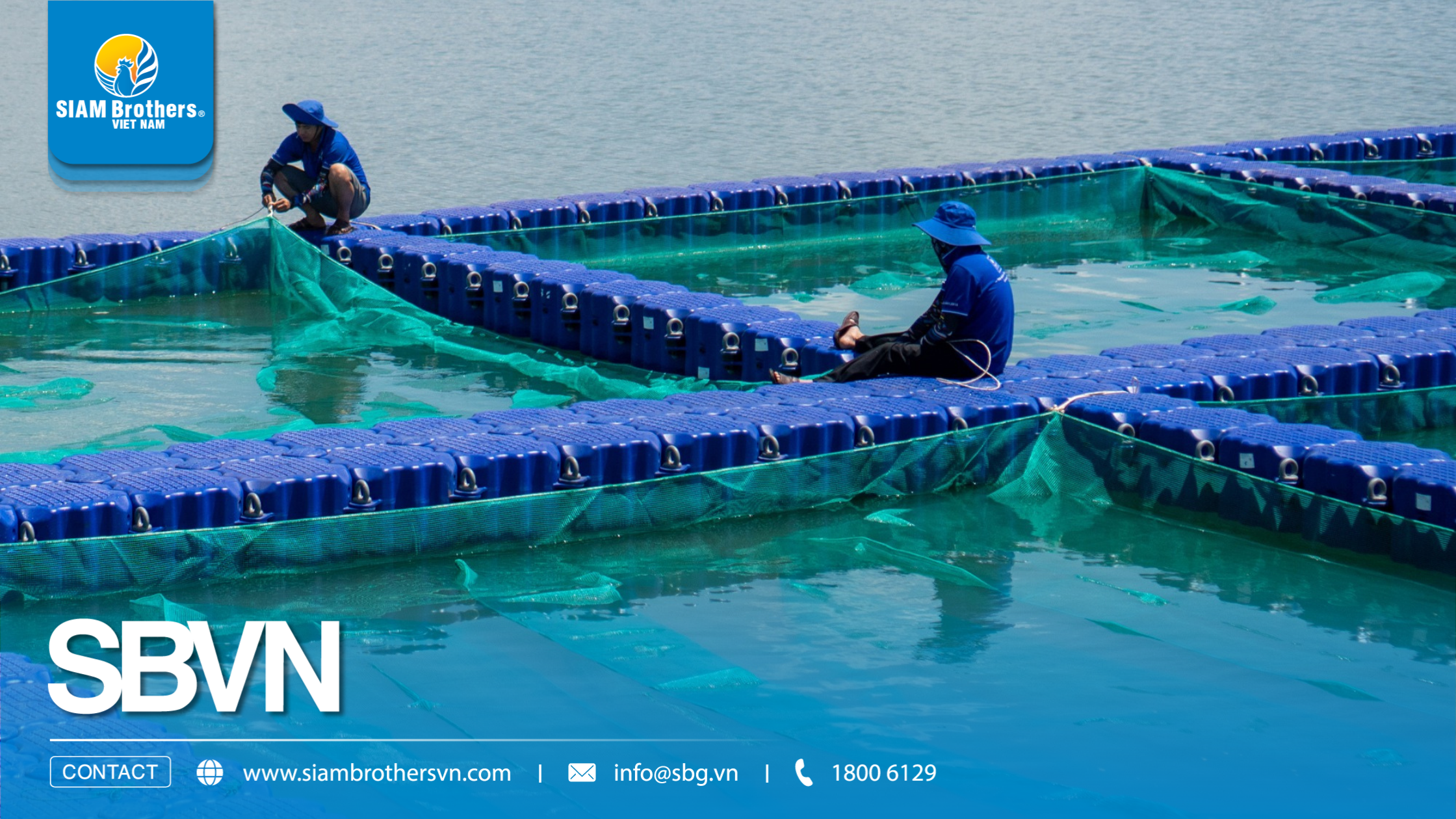
Polypropylene (PP) ropes are among the most commonly used materials in modern aquaculture floating systems.
They are typically used for:
Many shrimp farms prefer PP ropes because they offer:
In coastal farming areas, low-quality ropes often deteriorate quickly after prolonged exposure to saltwater, potentially affecting the stability of the entire floating system.
Anchoring systems play a critical role in large-scale aquaculture operations.
Without reliable anchoring, floating systems may:
Therefore, many High-Tech Shrimp Farming Models use specialized mooring ropes that provide:
When properly integrated with HDPE floats, these systems deliver long-term stability and operational safety.
Nets are essential components of modern shrimp farming systems.
Depending on operational requirements, farmers may use:
Benefits include:
Many shrimp farmers prefer nets designed to withstand UV exposure and saline conditions to reduce replacement costs.
To ensure optimal performance, HDPE float systems require high-quality connecting accessories.
Common components include:
Although these components may seem minor, poor-quality accessories can compromise the stability of the entire floating system over time.
This is why many aquaculture businesses prefer integrated solutions rather than sourcing materials from multiple suppliers.
Beyond floating infrastructure, aeration systems play a crucial role in shrimp production performance.
Modern shrimp farms often utilize:
Proper integration between floating structures, anchoring systems, and operational equipment helps:
This is especially important for super-intensive shrimp farming systems, where operational efficiency directly affects profitability.
Yes. Mooring ropes are essential for securing floating systems during operation.
When combined with HDPE floats, they help:
For coastal and large-scale shrimp farms, a properly designed anchoring system is highly recommended.
Yes. One of the key advantages of HDPE floats is their flexibility.
They allow farmers to:
Many farms choose HDPE systems because they are easier to upgrade than traditional floating structures.
Many aquaculture operators are prioritizing durable materials that reduce long-term operating costs.
HDPE floats are widely chosen because they offer:
For year-round operations, durable infrastructure significantly reduces long-term expenses.
In addition to HDPE floats, a complete farming system typically includes:
Selecting compatible materials helps improve operational stability and reduce farming risks.
Investment costs depend on several factors, including:
Although initial investment costs are generally higher than traditional farming systems, many businesses choose this model because it offers:
When designed properly from the beginning, a high-tech farming system can deliver stable returns over the long term.
When selecting a supplier for a High-Tech Shrimp Farming Model, farmers should consider:
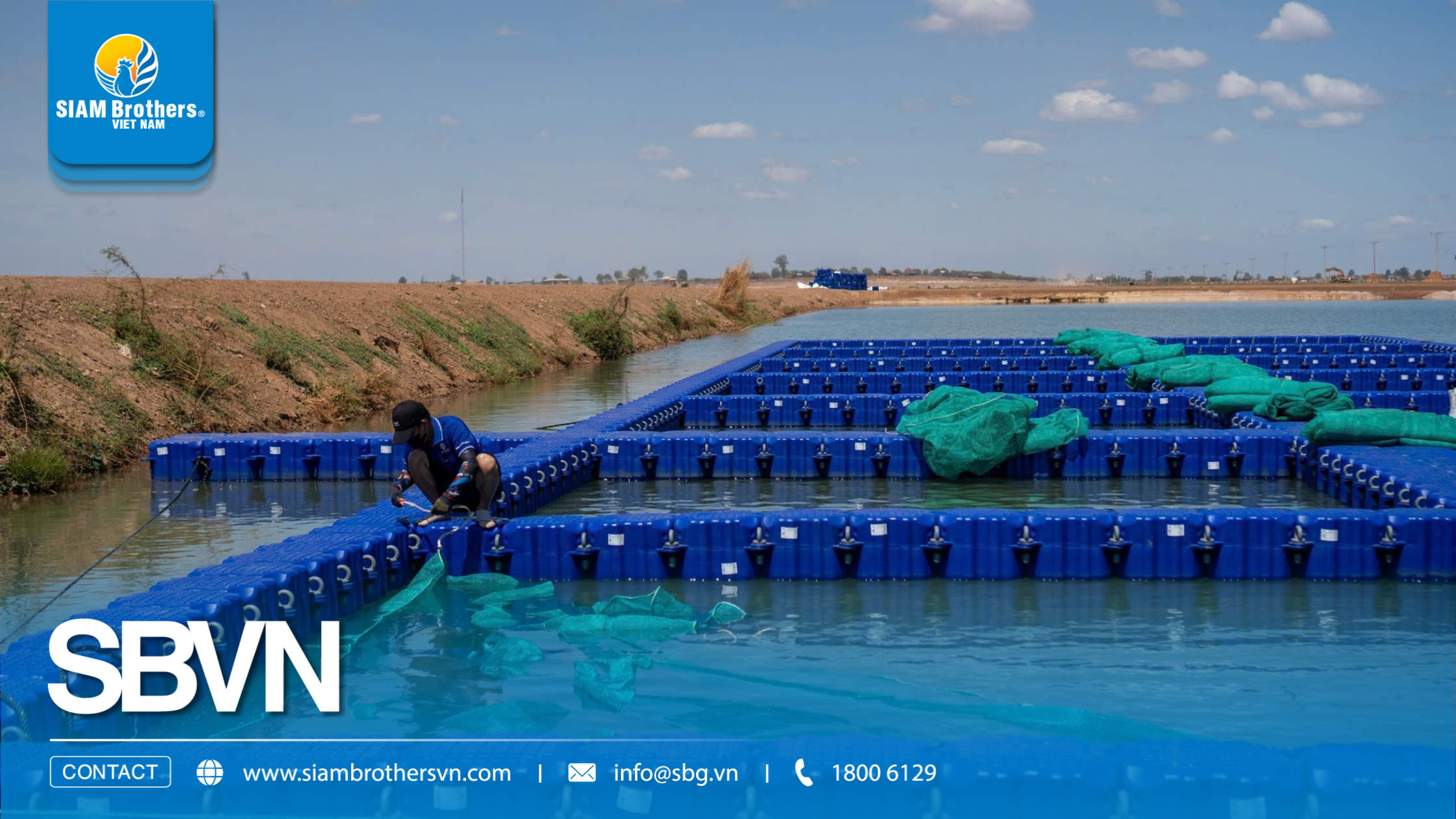
A High-Tech Shrimp Farming Model utilizing HDPE plastic floats is becoming an increasingly popular solution among shrimp farmers and aquaculture enterprises in Bac Lieu, Ca Mau, Soc Trang, and Kien Giang. Its ability to provide superior durability, long-term operational stability, and cost efficiency makes it an excellent choice for modern shrimp farming operations.
In addition to improving floating system performance in saline environments, HDPE floats help reduce maintenance requirements, simplify future expansion, and support sustainable aquaculture development. When combined with PP ropes, mooring systems, and other compatible aquaculture materials, they create a reliable and efficient farming infrastructure that minimizes operational risks.
If you are looking for durable and high-performance aquaculture solutions for your modern shrimp farming project, contact SIAM Brothers Vietnam for expert consultation and tailored product recommendations.
Source: SIAM Brothers Vietnam
Contact us:
► Address: 5th floor, VRG Building, 177 Hai Ba Trung Street., Xuan Hoa Ward, Ho Chi Minh City, Vietnam
► Hotline: 1800 6129
► Tel: (+84) 28 38 912 889
► Email: info@sbg.vn
► Follow us for more details at: Facebook - Zalo OA - Tiktok - Youtube - LinkedIn
Download SBVN ID app here:
► CHPlay
► Appstore









Specializing in Agricultural and Fisheries Products & Multipurpose Wire