Many people still assume that low-cost materials cannot deliver long-term performance. However, for fishermen, distributors, and aquaculture businesses, choosing the wrong rope material can significantly increase operating costs and reduce working efficiency. In reality, PP Plastic has become one of the most widely used materials in fishing ropes thanks to its lightweight structure, buoyancy, durability, and excellent resistance to saltwater environments.
In this article, SIAM Brothers Vietnam will explain the 5 key reasons why PP Plastic is highly preferred by industry professionals, while also helping you understand when this material is the right solution for maximizing durability and long-term cost efficiency.
1. What Is PP Plastic? Why Is It Popular in the Fishing Industry?
1.1. What Is PP Plastic? Key Characteristics of the Material
PP Plastic (Polypropylene) is a thermoplastic polymer belonging to the polyolefin group. It is widely used across industrial applications due to its stability, flexibility, and cost efficiency.
Key characteristics of PP Plastic include:
- Low density (~0.90–0.92 g/cm³), making it lightweight and naturally buoyant on water
- Strong chemical resistance, especially against saltwater and mild alkaline environments
- Good tensile strength and abrasion resistance compared to its cost
Excellent processability for rope manufacturing applications
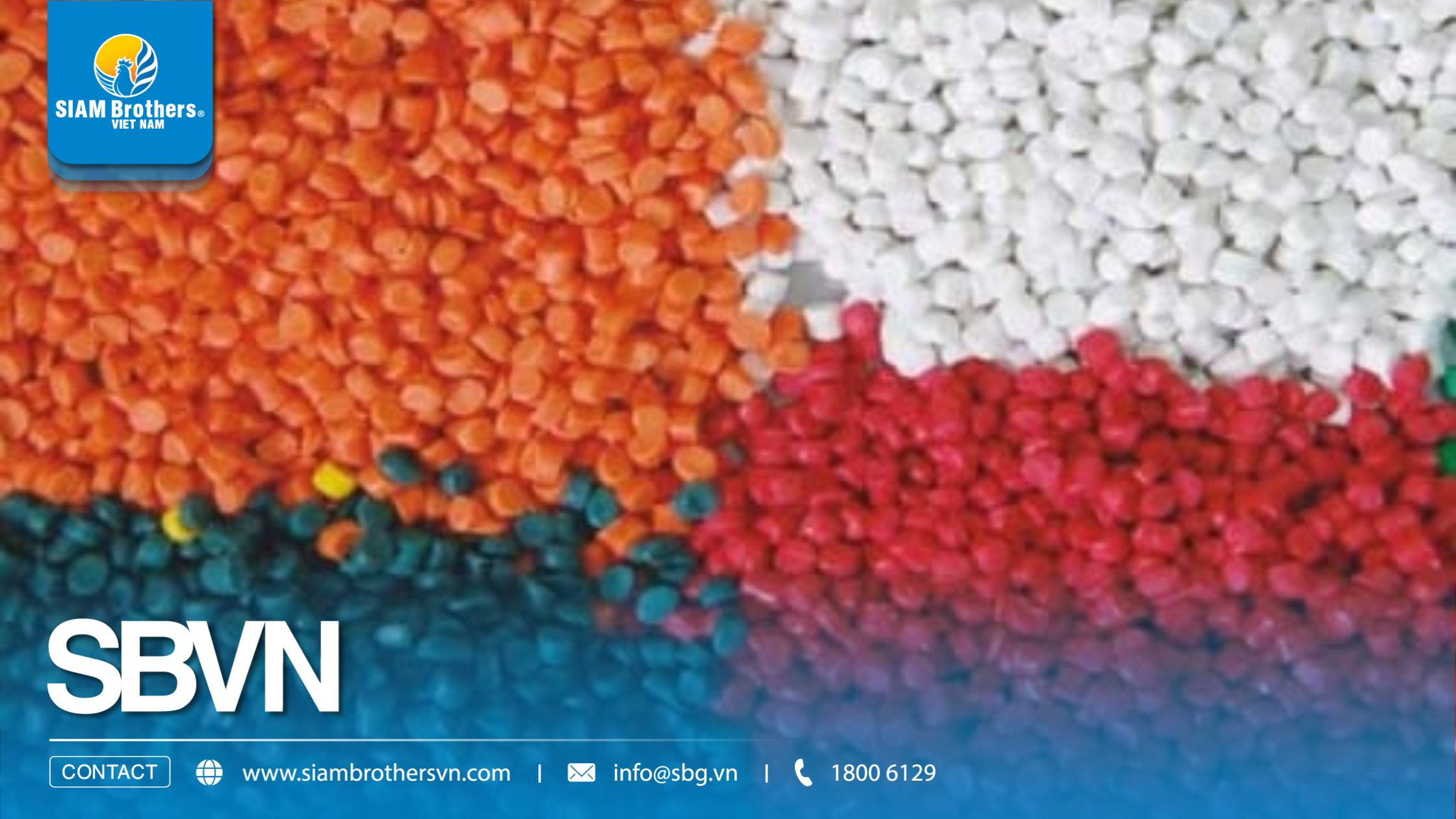
In fishing rope production, PP Plastic is commonly extruded into fibers and then twisted or braided into multi-strand rope structures to improve durability and flexibility.
1.2. Why Does the Fishing Industry Prefer Materials Like PP Plastic?
The fishing industry operates under harsh environmental conditions, including:
- Constant exposure to seawater and high salinity
- Continuous impact from sunlight, wind, and friction during fishing operations
- The need for materials that are durable, lightweight, and cost-effective
PP Plastic effectively meets these operational requirements because it:
- Does not rot like natural fibers
- Does not absorb water, helping maintain stable weight during use
- Can be manufactured into various products such as fishing ropes, nets, and mooring lines
1.3. The Role of PP Plastic in Rope, Net, and Float Production
In manufacturing operations at companies such as SIAM Brothers Vietnam, PP Plastic serves as a critical raw material for many marine and fishery products.
Applications include:
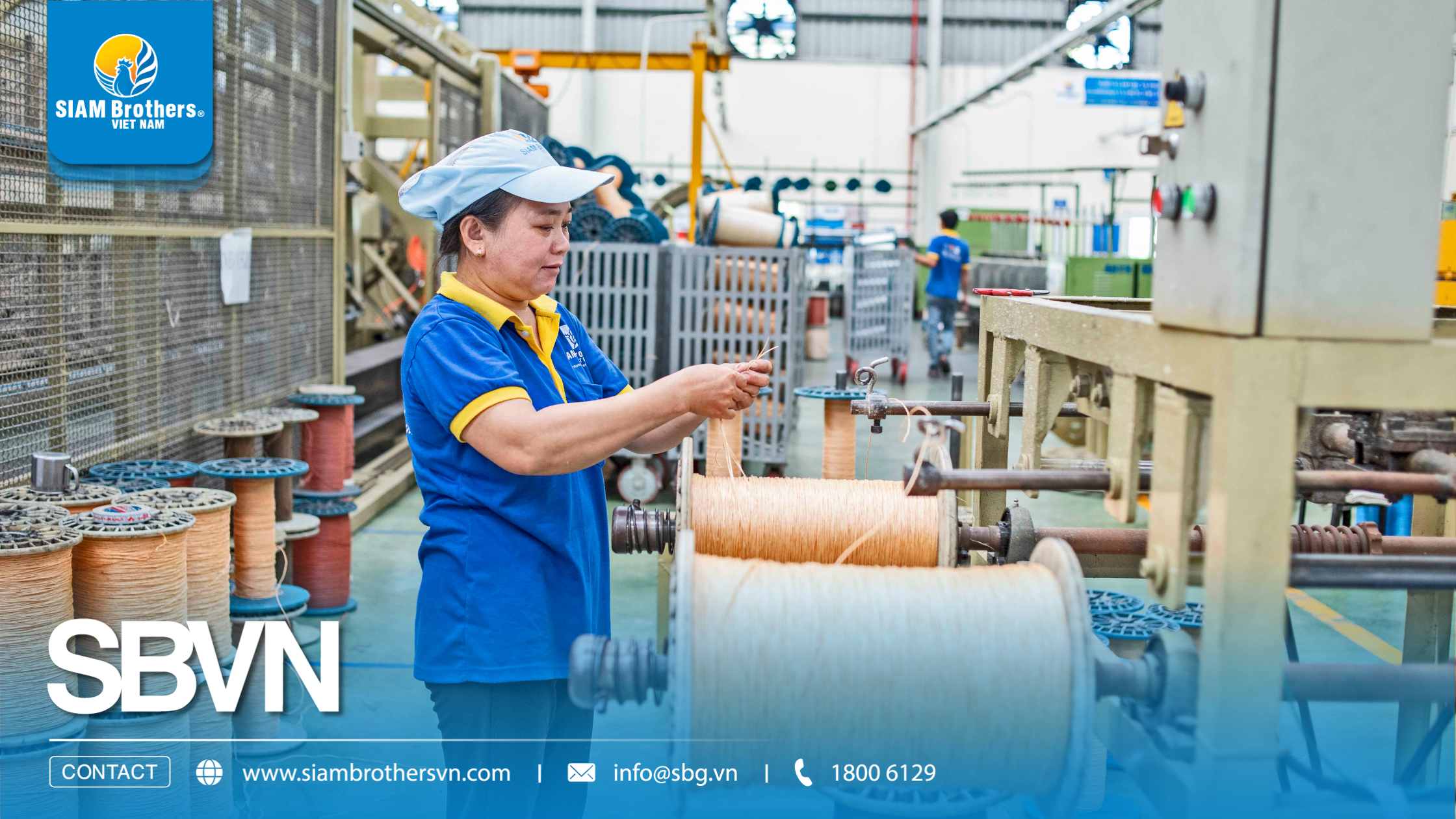
- Fishing ropes used for mooring, net pulling, and vessel fastening
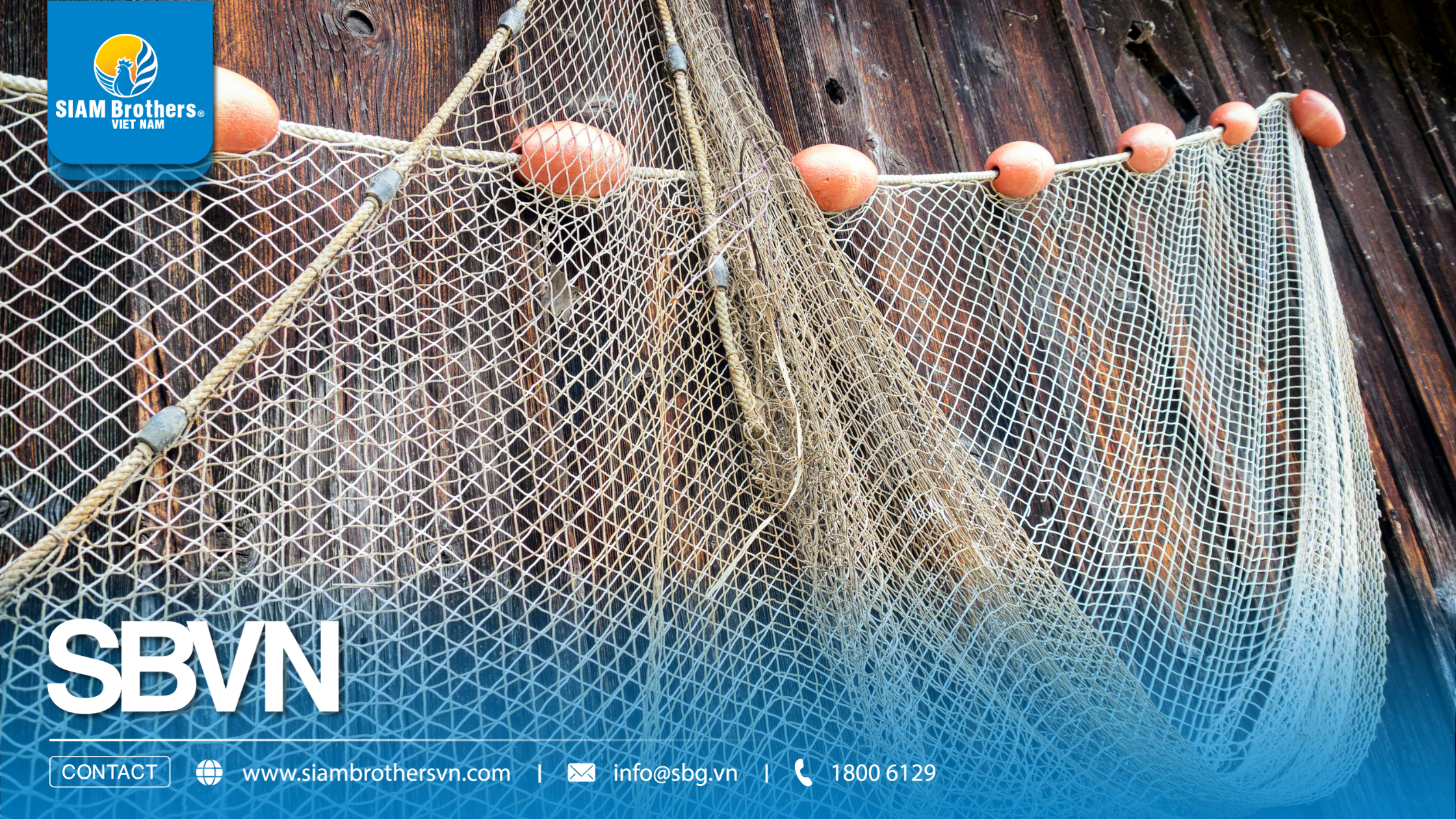
- Trawl nets and twines designed for improved durability and lower replacement costs
- Integration with floating cage systems and floating buoy structures
Practical benefits of using PP Plastic:
- Reduces long-term operational costs for fishermen and businesses
- Performs well under Vietnam’s aquaculture and fishing conditions
- Provides a balance between durability, weight, and economic efficiency

2. Top 5 Reasons Why PP Plastic Is Widely Used in Fishing Ropes
2.1. Excellent Buoyancy – A Critical Factor in Fishing Operations
PP Plastic has a lower density than water, allowing ropes to float naturally instead of sinking.
Benefits include:
- Easier rope visibility and management during fishing activities
- Reduced rope tangling and faster handling time
Common applications:
- Floating cage mooring ropes
- Fishing net pulling ropes
PP Plastic does not absorb water and does not swell even after long-term exposure.
Its resistance includes:
- Seawater, salt, and mild chemicals
- Microorganisms that cause fiber deterioration
Compared to natural fibers and some alternative materials, PP Plastic:
- Maintains stable quality over time
- Delivers consistent operational performance
This advantage is especially important for fishermen operating offshore for extended periods.
2.3. High Mechanical Strength and Abrasion Resistance
Fishing ropes made from PP Plastic offer:
- Strong tensile performance
- Good resistance to abrasion against boats, nets, and rough surfaces
In practical operations, this helps:
- Reduce unexpected rope breakage
- Improve safety during mooring and fishing activities
Considering the investment cost, PP Plastic provides an excellent balance between performance and affordability.
2.4. Lightweight Structure for Better Operational Efficiency
PP Plastic makes fishing ropes:
- Lighter than many materials such as Nylon
- Easier to transport and handle
Practical advantages include:
- Reduced physical workload for fishermen
- Lower logistics costs when purchasing in bulk
For distributors and businesses, this contributes to a more efficient supply chain and lower transportation expenses.
3. Is PP Plastic Really Better Than Other Materials?
Comparing PP Plastic with PE and Nylon in Fishing Ropes
3.1. PP Plastic vs PE (Polyethylene)
Similarities
- Both are thermoplastic materials that are lightweight and highly water-resistant
- Both are suitable for fishing and marine environments
Key Differences
PP Plastic
- More rigid and offers better heat resistance
- More competitively priced in many market segments
PE Plastic
- Softer and more flexible
- Provides better impact resistance under certain conditions
Conclusion
- Choose PP Plastic when you need a balance between durability and cost efficiency
- Choose PE when higher flexibility and elasticity are required
3.2. PP Plastic vs Nylon (Polyamide)
PP Plastic
- Lightweight and naturally buoyant on water
- Does not absorb water, helping maintain stable weight during use
- More affordable for large-scale applications
Nylon
- Higher tensile strength
- Better performance under extremely heavy loads
However, Nylon Also Has Some Limitations
- Absorbs water, which increases rope weight over time
- Significantly more expensive than PP Plastic
Conclusion
- PP Plastic is ideal for general-purpose fishing rope applications where cost optimization is important
- Nylon is more suitable for heavy-duty environments requiring advanced technical performance
4. Practical Applications of PP Plastic Fishing Ropes in the Fishing Industry
4.1. Applications in Aquaculture (Floating Cages and Fish Ponds)
4.1.1. Mooring Ropes for Floating Cages and Buoy Systems
PP Plastic fishing ropes are commonly used for:
- Securing floating cages in rivers and offshore farming areas
- Connecting floating buoys and HDPE buoy systems
Practical Benefits
- Lightweight and buoyant, making position management easier
- Water-resistant, ensuring long-term operational stability
Suitable Applications
- Fish cage farming
- Oyster farming and industrial shrimp farming
4.1.2. Fastening and Equipment Securing Ropes in Aquaculture Ponds
Applications
Securing aerators, protective nets, and support frames
Advantages
Easy to handle and highly flexible in use
Resistant to rotting in continuously wet environments
4.2. Applications in Fishing and Seafood Harvesting Operations
4.2.1. Net Pulling Ropes and Float Lines
PP Plastic ropes are widely used in:
- Trawl nets
- Drag nets
- Surrounding nets
Benefits
- Excellent tensile strength during net pulling operations
- Lightweight structure reduces vessel load
4.2.2. Boat Mooring and Anchoring Ropes
Functions
- Keeping vessels stable during anchoring
- Supporting fastening during transportation and docking
Advantages of PP Plastic
- Does not absorb water, preventing additional weight gain
- Easy to collect, store, and reuse after operation
Suitable For
- Small and medium-sized fishing boats
- Nearshore and offshore fishing activities
4.3. Applications in Auxiliary Fishing Rope Systems
4.3.1. Float Ropes and Marker Ropes
Used For
- Marking fishing net deployment areas
- Connecting buoys within fishing systems
Benefits of PP Plastic
- Keeps ropes floating and visible from a distance
- Helps reduce equipment loss at sea
4.3.2. Cargo Securing and Multipurpose Boat Ropes
Flexible Applications
- Securing fish containers and onboard cargo
- Handling various operational situations on fishing vessels
Benefits
- Easy to cut, splice, and reuse
- Suitable for both fishermen and supply distributors
4.4. Practical Value from the Perspective of Businesses and End Users
For manufacturers and distributors such as SIAM Brothers Vietnam:
- PP Plastic helps optimize production costs
- Supports a wide range of applications from standard to specialized products
For end users:
- One rope type can serve multiple operational purposes
- Helps reduce inventory and replacement costs
This is one of the key reasons why PP Plastic fishing ropes are widely used throughout the fishing and aquaculture supply chain.
5. FAQs – Frequently Asked Questions About PP Plastic
5.1. Is PP Plastic Durable for Outdoor Use?
PP Plastic is capable of withstanding outdoor environments for long periods.
Key Characteristics
- Water-resistant and not prone to rotting caused by moisture
- Can tolerate normal exposure to sunlight and harsh weather conditions
However
If continuously exposed to strong UV rays, UV-stabilized ropes are recommended to improve service life
Suitable Applications
Fishing ropes used offshore and in aquaculture ponds
5.2. Can PP Plastic Resist Saltwater?
PP Plastic has excellent resistance to saltwater environments.
- It Does Not
- Corrode like metal
- Rot like natural fiber materials
This is why PP Plastic is commonly used in:
- Mooring ropes
- Fishing net ropes
- Float ropes
- Suitable Environments
- Marine operations
- Coastal aquaculture areas
5.3. Does PP Plastic Float on Water?
PP Plastic has a lower density than water, allowing it to float naturally.
Benefits
- Easier rope visibility and management during fishing operations
- Reduces the risk of rope loss at sea
5.4. What Is the Difference Between PP Plastic and PE for Rope Applications?
PP Plastic
- More rigid and heat-resistant
- More competitively priced
PE Plastic
- Softer and more flexible
- Better impact resistance in certain conditions
Recommended Choice
- Choose PP Plastic for general-purpose applications and cost optimization
- Choose PE for applications requiring higher flexibility
5.5. Is PP Plastic Rope Suitable for Every Application?
PP Plastic is suitable for:
- Fishing and agricultural industries
- Multipurpose rope applications
- Operations requiring lightweight and floating ropes at reasonable costs
However
It may not be the best option for extremely heavy loads or applications requiring high elasticity
Recommendation
Clearly identify your operational requirements before selecting the rope material
5.6. How to Choose High-Quality PP Plastic Rope?
- Important Factors to Check
- Uniformity of rope fibers
- Technical specifications such as diameter and load capacity
- Manufacturer origin and production standards
- Recommended Choice
- Work with reputable rope manufacturers that have extensive industry experience
Benefits
- Ensures stable operational performance
- Helps reduce unexpected replacement and maintenance costs

PP Plastic may not be the perfect material for every situation, but it remains one of the most practical solutions for fishing rope applications thanks to its buoyancy, water resistance, stable durability, and cost efficiency. Through material comparisons and real-world applications, it is clear that PP Plastic effectively meets the operational needs of fishermen, distributors, and aquaculture businesses in Vietnam.
If you are looking for a durable, lightweight, and economical rope solution, carefully consider the factors discussed above. Contact SIAM Brothers Vietnam today for expert consultation and the most suitable rope products for your actual operational needs.
Source: SIAM Brothers Vietnam
Contact us:
► Address: 5th floor, VRG Building, 177 Hai Ba Trung Street., Xuan Hoa Ward, Ho Chi Minh City, Vietnam
► Hotline: 1800 6129
► Tel: (+84) 28 38 912 889
► Email: info@sbg.vn
► Follow us for more details at: Facebook - Zalo OA - Tiktok - Youtube - LinkedIn
Download SBVN ID app here:
► CHPlay
► Appstore