Freshwater aquaculture is becoming an increasingly effective economic solution for small-scale farmers due to its relatively low investment cost and stable profit potential. From traditional earthen pond systems to river cage farming, tarpaulin tank culture, or integrated fish–rice models, each fish farming model offers distinct advantages depending on water conditions, investment capacity, and production scale.
In this article, SIAM Brothers Vietnam presents a comprehensive overview of high-yield, low-cost freshwater fish farming models widely adopted by farmers. It also highlights key factors for optimizing farming performance, including water quality management and the use of durable aquaculture materials to enhance productivity and ensure long-term profitability.
1. What Is a Freshwater Fish Farming Model?
In aquaculture, a fish farming model refers to a structured system that integrates technical, environmental, and economic factors to achieve optimal production efficiency. A complete freshwater fish farming model typically includes:
- Farming infrastructure: earthen ponds, river cages, tarpaulin tanks, or recirculating systems
- Water sources and water quality management strategies
- Suitable fish species based on farming conditions and market demand
- Aquaculture equipment such as nets, ropes, floats, and supporting materials
- Feeding regimes, care procedures, and disease control practices
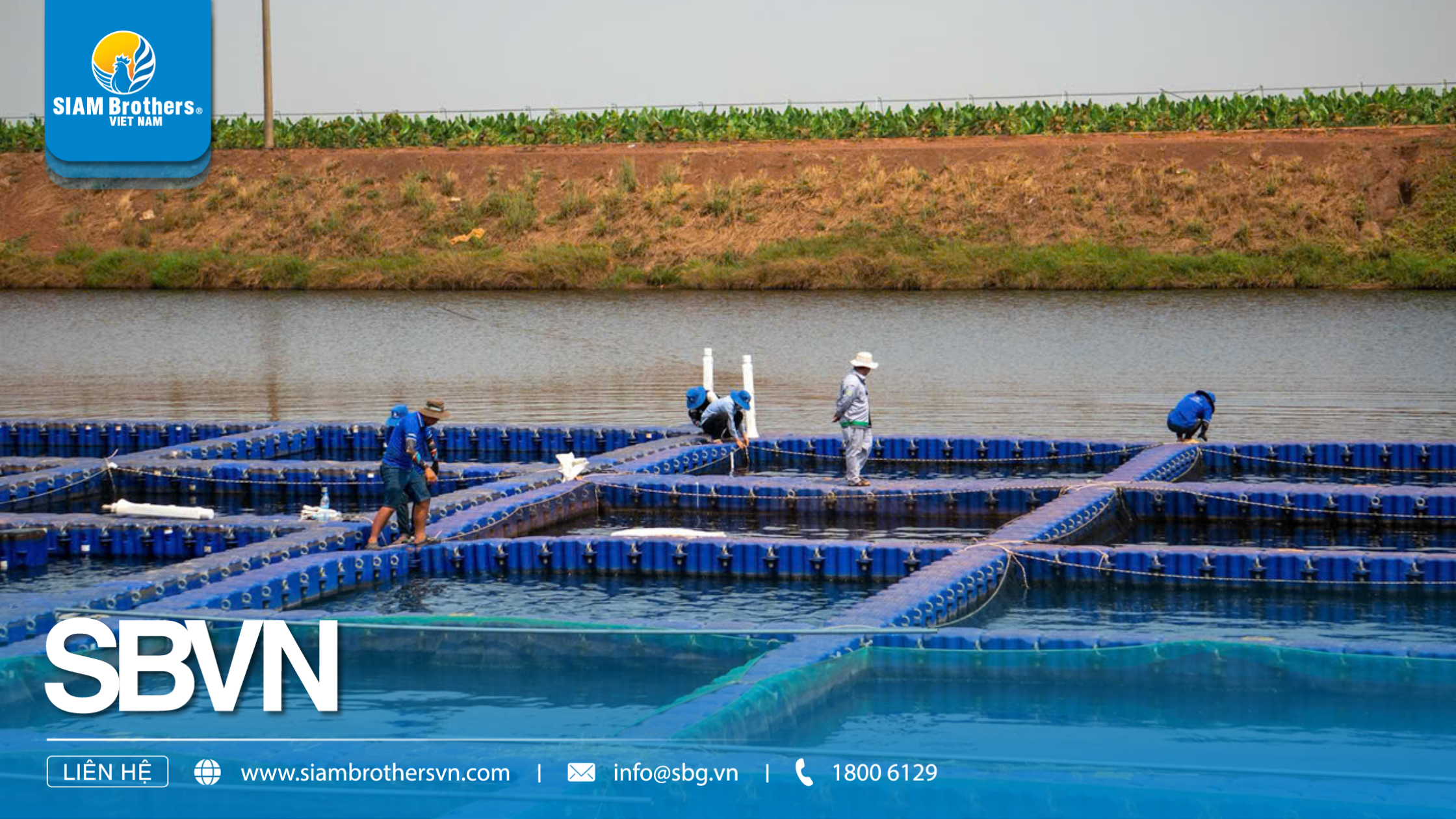
1.1 Key Characteristics of an Effective Fish Farming Model
An effective fish farming model is defined by its ability to balance productivity, cost efficiency, and long-term sustainability:
- Adaptability to local natural conditions such as water sources, pond size, and climate
- Ease of implementation for small-scale farmers without requiring complex technologies
- Capability to control the farming environment and minimize disease risks
- Use of durable aquaculture materials such as fish nets, mooring ropes, and HDPE floating cages to ensure structural stability
- Optimization of investment costs while maintaining high yield and product quality
1.2 Role of Freshwater Fish Farming Models for Small-Scale Farmers
For small and medium-scale aquaculture operations, selecting the right fish farming model delivers multiple practical benefits:
- Increased fish yield within the same farming area
- Reduced operational costs through efficient feed and water management
- Lower risks related to weather conditions and disease outbreaks
- Scalability to expand production as market demand grows
- Stable income generation for households and aquaculture businesses
2. Top 3 High-Yield Freshwater Fish Farming Models Today
2.1 Traditional Earthen Pond Fish Farming Model
2.1.1 Model Characteristics
This is the most widely used freshwater fish farming model, particularly suitable for farmers with available land and stable water sources:
- Utilizes natural or excavated earthen ponds for fish cultivation
- Flexible pond sizes ranging from a few hundred to several thousand square meters
- Water sources from canals, rivers, or irrigation systems
- Suitable for species such as tilapia, grass carp, common carp, and silver carp
2.1.2 Advantages
- Low initial investment and easy implementation
- Simple environmental management with minimal technological dependency
- Ability to practice polyculture to maximize natural feed utilization
2.1.3 Key Considerations
- Proper pond preparation before stocking to ensure stable water conditions
- Maintaining appropriate stocking density to prevent oxygen depletion and disease
- Using netting systems and durable ropes to secure farming areas and prevent fish loss
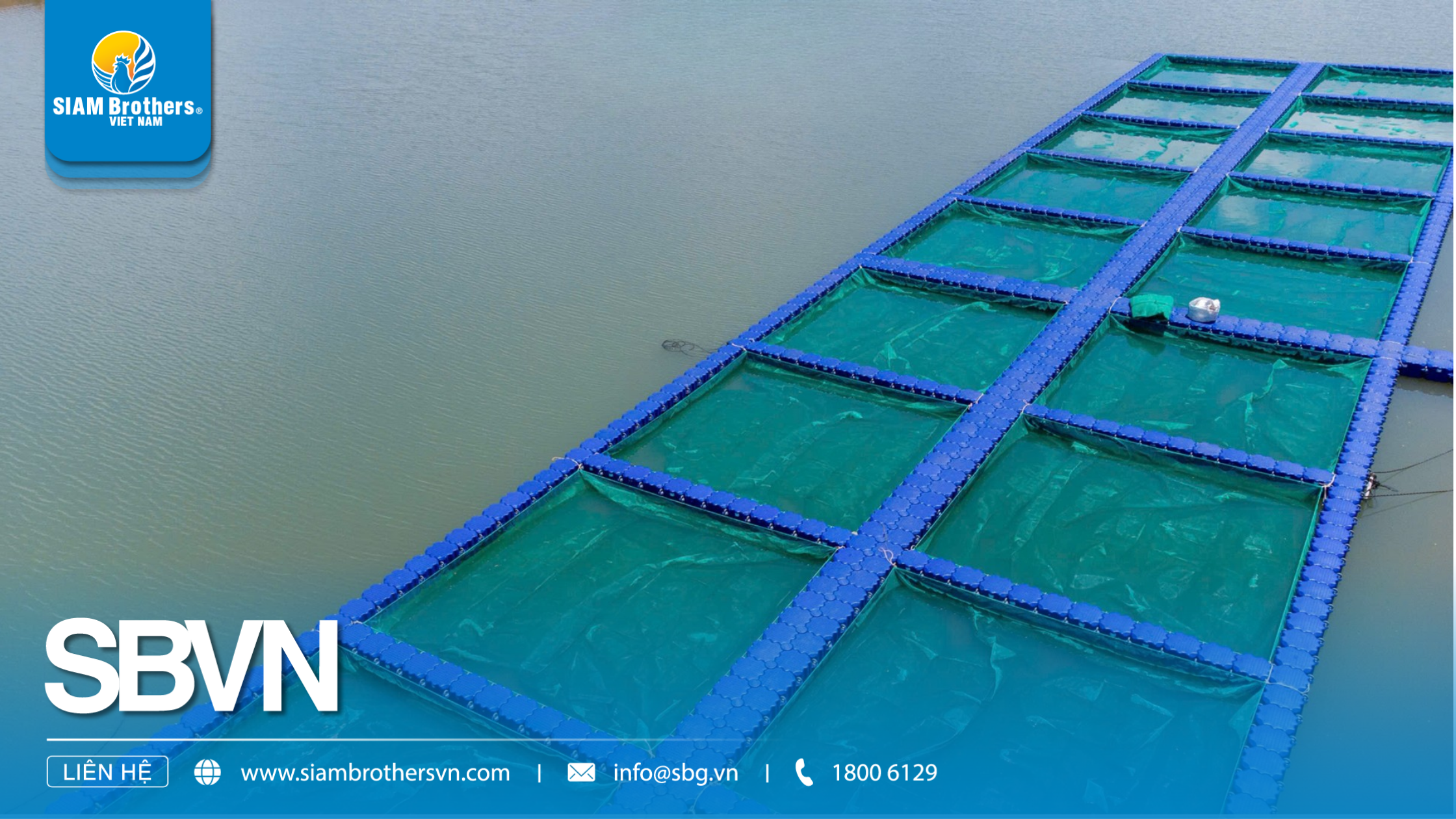
2.2 River Cage Fish Farming Model
2.2.1 Model Characteristics
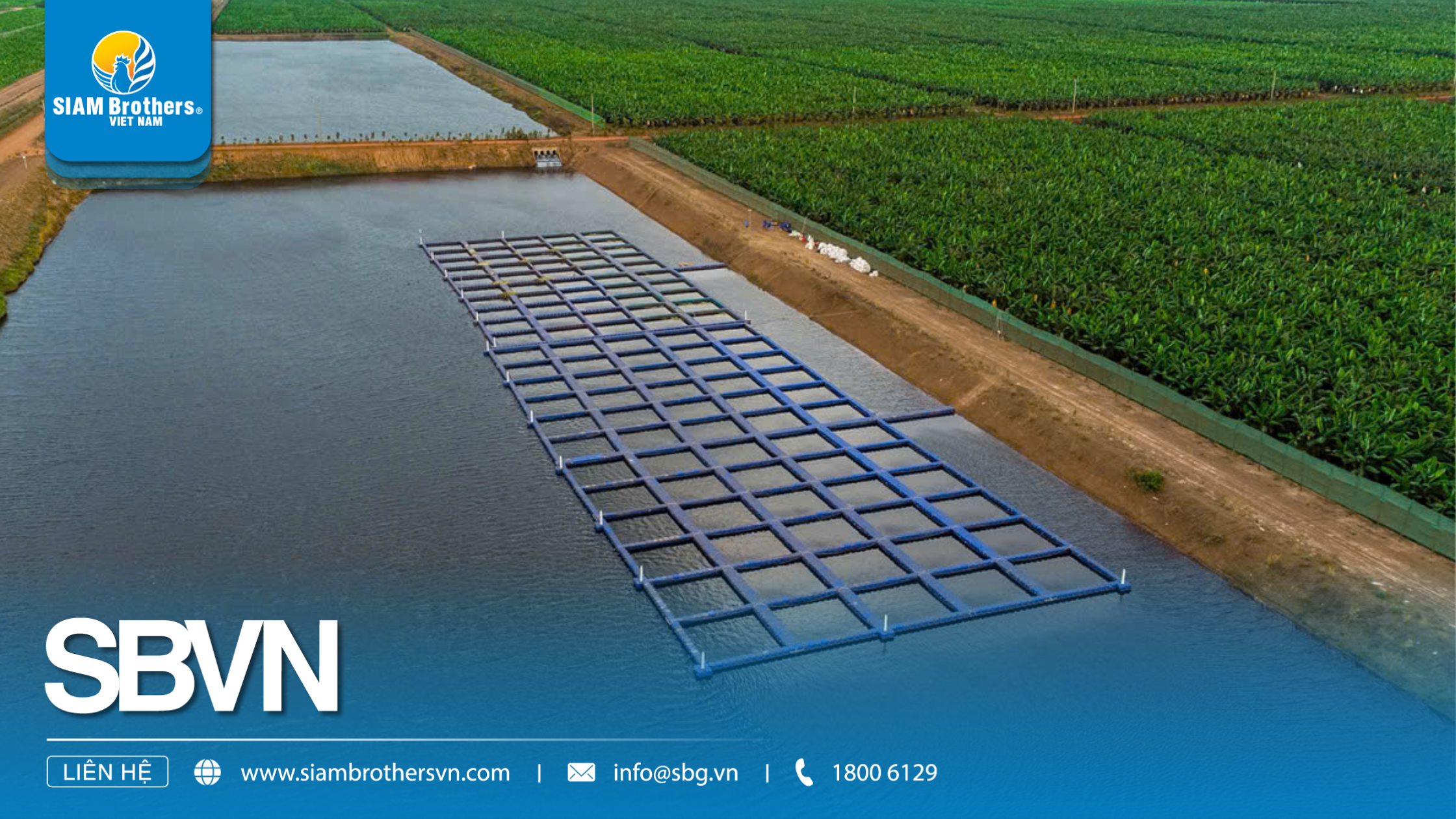
In areas with large rivers or reservoirs, the fish farming model using cages is highly effective in utilizing natural water flow:
- Cages are installed directly in rivers or lakes
- Cage frames made from metal, plastic, or wood
- Fish nets create enclosed farming spaces
- Rope systems and floating devices stabilize cages on the water surface
2.2.2 Advantages
- Continuous water flow reduces pollution in the farming environment
- Faster fish growth due to higher dissolved oxygen levels
- No need for land excavation or pond construction
- Easy scalability for larger production
2.2.3 Key Considerations
- Selecting locations with stable currents and avoiding strong whirlpools
- Securing cages firmly using mooring ropes and floats
- Regular inspection of nets to prevent damage and fish escape
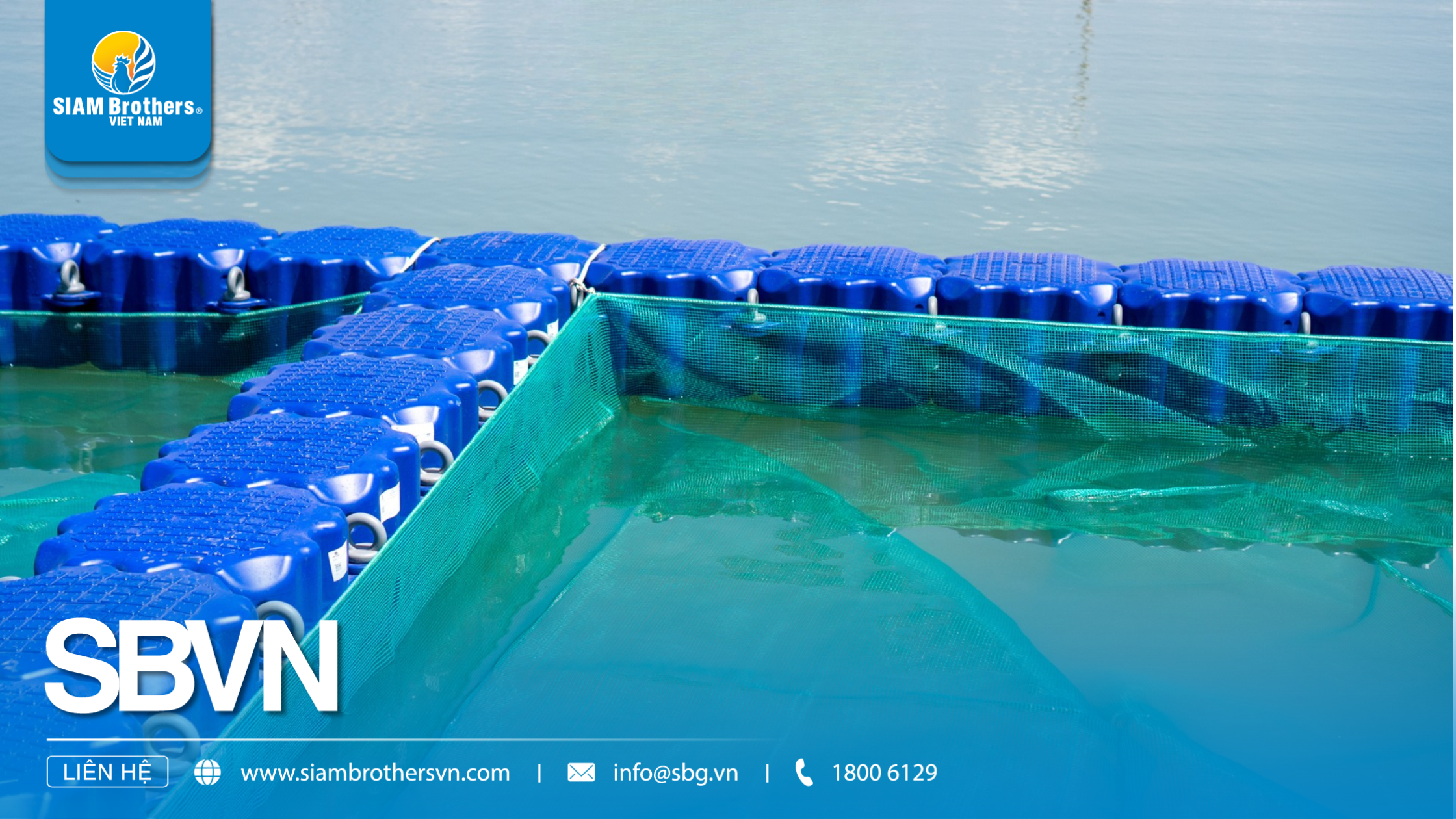
2.3 Tarpaulin Tank Fish Farming Model
2.3.1 Model Characteristics
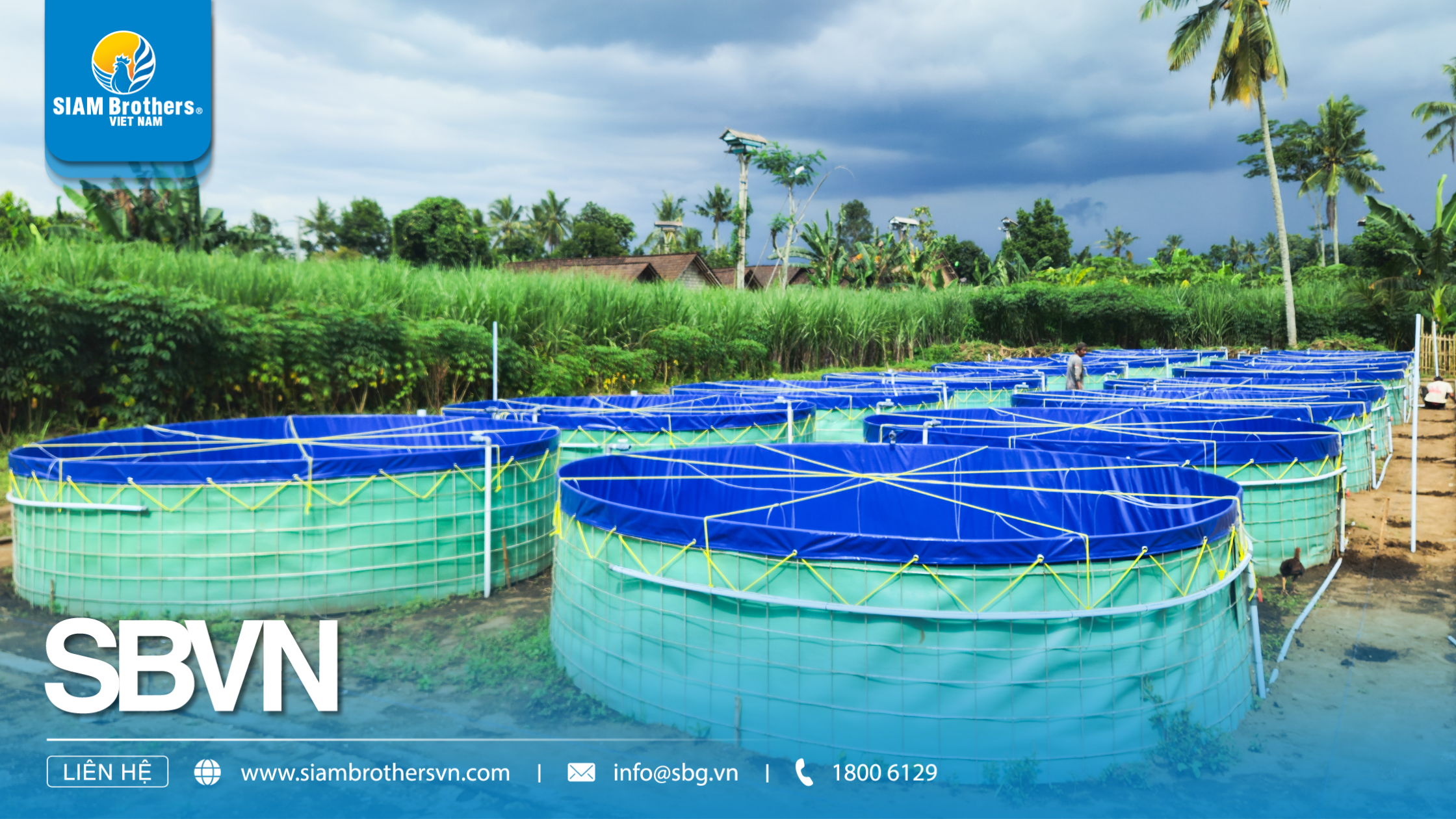
In recent years, the tarpaulin tank system has become a preferred fish farming model for farmers with limited land or requiring strict environmental control:
- Uses HDPE tarpaulin or specialized liners to form fish tanks
- Flexible tank sizes depending on available space and production scale
- Integrated water supply and drainage systems
- Suitable for species such as tilapia, snakehead fish, catfish, and red tilapia
2.3.2 Advantages
- Easy control of water quality and stocking density
- Reduced risks from environmental factors such as heavy rain or flooding
- Suitable for high-density fish farming
- Applicable in small areas such as backyards or unused land
2.3.3 Key Considerations
- Installation of aeration systems and regular water exchange
- Proper stocking density management to avoid oxygen shortage
- Use of durable rope systems to secure tarpaulin and tank structures
3. Practical Experience in Implementing an Effective Fish Farming Model
3.1 Choosing the Right Fish Farming Model for Small-Scale Farmers
3.1.1 Assessing Farming Area and Water Sources
Before implementing a fish farming model, farmers need to carefully evaluate local natural conditions:
- Available land area for pond construction or tank installation
- Stable and low-contamination water sources for aquaculture
- Efficient drainage and regular water exchange capability
- Appropriate distance from residential or industrial zones
A proper assessment ensures the selected fish farming model aligns with real conditions and avoids unnecessary investment risks.
3.1.2 Selecting Suitable Fish Species with Market Demand
To maximize the efficiency of a fish farming model, choosing the right species is critical:
- Prioritize easy-to-raise freshwater species such as tilapia, grass carp, common carp, and silver carp
- Select healthy fingerlings with clear origin
- Focus on species with strong local market demand
- Apply polyculture techniques to optimize natural feed resources
These factors help ensure stable growth and improve profitability within each fish farming model.
3.2 Optimizing Investment Costs in a Fish Farming Model
3.2.1 Reducing Infrastructure Costs
One key objective when implementing a fish farming model for small-scale farmers is cost control:
- Utilize existing earthen ponds to minimize excavation costs
- Use appropriate fish nets to divide farming zones
- Install floating systems and ropes to stabilize cages or farming areas
- Design simple yet effective water supply and drainage systems
This approach supports a low-cost fish farming model while maintaining operational efficiency.
3.2.2 Maximizing Natural Feed Resources
To reduce operational costs in a fish farming model, many farmers take advantage of natural feed:
- Combine species with different feeding habits
- Use agricultural by-products such as vegetables or rice bran
- Integrate fish farming with crop cultivation to recycle nutrients
This strategy significantly lowers feed expenses, which are often the largest cost in aquaculture.
3.3 Increasing Productivity in Freshwater Fish Farming Models
3.3.1 Effective Water Quality Management
A successful fish farming model requires consistent water quality control:
- Monitor pH levels and dissolved oxygen regularly
- Replace water periodically to reduce organic waste
- Avoid overfeeding to prevent water pollution
- Control stocking density to ensure healthy fish growth
Proper management helps maintain high productivity and reduces disease risks.
3.3.2 Using Durable and Reliable Aquaculture Materials
In many cases, the performance of a fish farming model depends on the quality of supporting materials:
- Fish nets should be durable with appropriate mesh sizes
- Mooring ropes must be strong enough to secure cages and farming areas
- Floating devices help stabilize structures and manage farming zones
- Regular inspection prevents damage and fish loss
Using high-quality materials ensures long-term stability and efficiency in any fish farming model.
3.4 Economic Benefits of an Optimized Fish Farming Model
Applying a well-planned fish farming model offers significant economic advantages:
- Increased fish yield within the same farming area
- Reduced investment and operational costs
- Efficient use of land and water resources
- Stable income generation for farming households
4. Frequently Asked Questions About Freshwater Fish Farming Models
4.1 Which Fish Farming Model Is Suitable for Low-Budget Farmers?
For households with limited capital, choosing a low-cost fish farming model is essential:
- Earthen pond farming using available land
- Small-scale tarpaulin tank systems with easy water control
- Integrated fish farming models combined with crop production
These models are cost-effective and suitable for small-scale operations.
4.2 Is Earthen Pond or Cage Fish Farming More Effective?
The effectiveness of a fish farming model depends on environmental conditions and scale:
Earthen pond farming is suitable when:
- Land and water resources are available
- Small to medium-scale production is preferred
- Low investment and simple management are priorities
Cage farming is suitable when:
- Large rivers or reservoirs are available
- Farmers want to utilize natural water flow
- Investment in cages, nets, and mooring systems is feasible
4.3 What Is the Estimated Cost of a Fish Farming Model?
The cost of implementing a fish farming model varies depending on scale and method, typically including:
- Pond construction or tank installation costs
- Fingerlings and feed expenses
- Aquaculture materials such as nets, ropes, and floats
- Water management and disease control costs
Cost optimization can be achieved by selecting appropriate materials and farming systems.
4.4 How to Achieve High Productivity in a Fish Farming Model?
To ensure consistent productivity in a fish farming model, farmers should focus on:
- Selecting healthy and suitable fish species
- Maintaining appropriate stocking density
- Monitoring water quality and performing regular water exchange
- Using durable nets, ropes, and floats to secure farming areas
- Conducting regular inspections of all aquaculture equipment
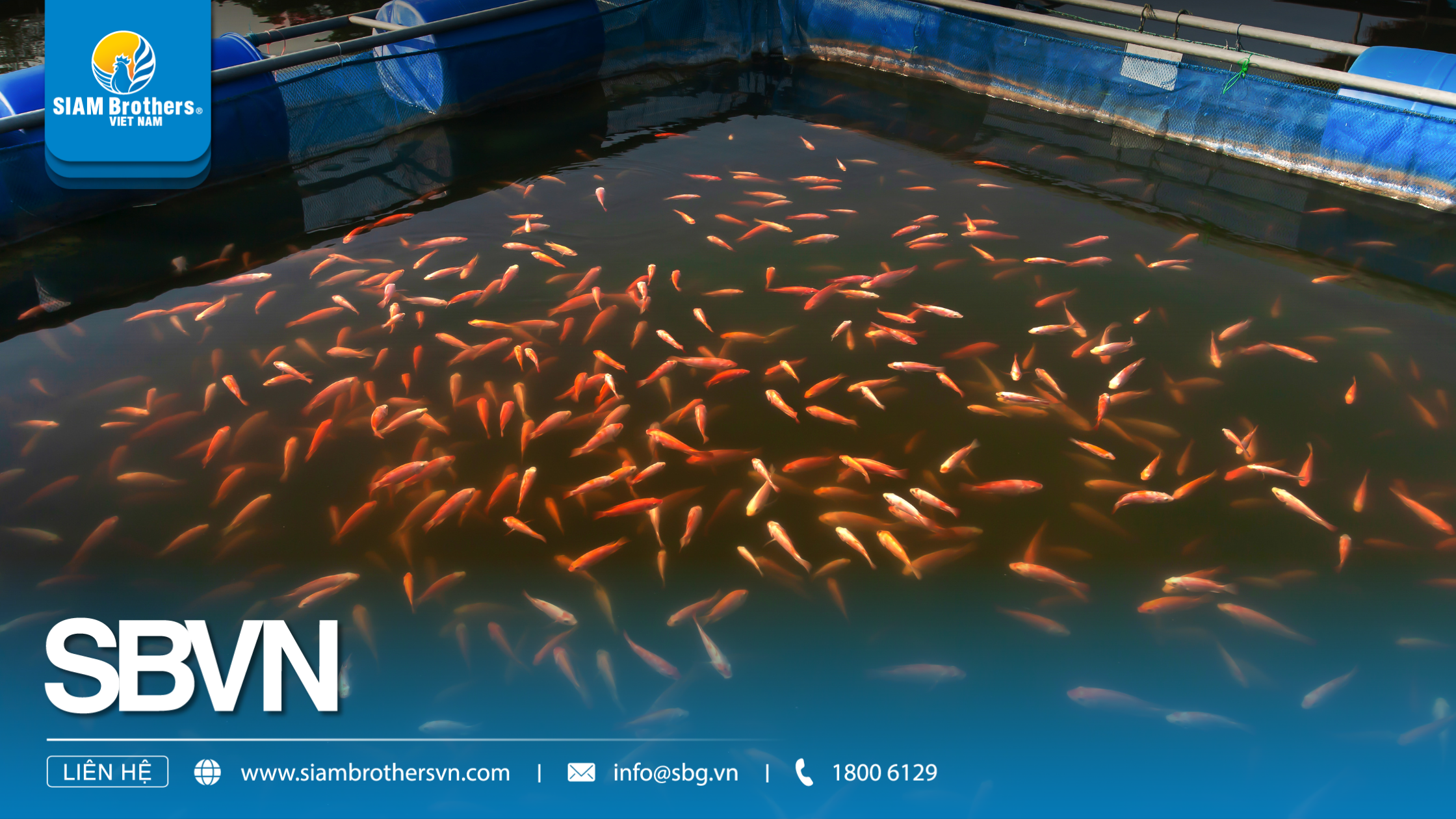
Freshwater aquaculture is a sustainable economic solution increasingly adopted by small-scale farmers due to its reasonable investment cost and stable income potential. By selecting the right fish farming model based on available land, water conditions, and budget, farmers can optimize productivity, reduce disease risks, and improve overall efficiency.
In addition, using durable aquaculture materials plays a crucial role in maintaining stable farming operations. If you are looking for effective solutions in freshwater aquaculture, explore proven fish farming models and contact SIAM Brothers Vietnam for expert consultation on high-quality aquaculture materials tailored to your needs.
Source: SIAM Brothers Vietnam
Contact us:
► Address: 5th floor, VRG Building, 177 Hai Ba Trung Street., Xuan Hoa Ward, Ho Chi Minh City, Vietnam
► Hotline: 1800 6129
► Tel: (+84) 28 38 912 889
► Email: info@sbg.vn
► Follow us for more details at: Facebook - Zalo OA - Tiktok - Youtube - LinkedIn
Download SBVN ID app here:
► CHPlay
► Appstore