
- 1800 6129

The rapid development of industrial aquaculture is driving the increasing adoption of HDPE materials across the global seafood industry. From floating cages and fish farming systems to pond liners and water pipelines, HDPE has become a key material in modern aquaculture infrastructure.
Its durability, resistance to seawater corrosion, and long service life make it a strong alternative to traditional materials.
Countries with advanced aquaculture industries such as Norway, Japan, and Chile are already applying HDPE extensively in offshore farming systems.
In Vietnam, the transition toward HDPE-based aquaculture infrastructure is accelerating as part of the country’s sustainable marine farming strategy.
In recent years, the aquaculture industry has witnessed a major shift from traditional materials toward HDPE (High-Density Polyethylene). This trend is especially evident in industrial marine farming, offshore aquaculture, and sustainable seafood production systems.
HDPE is a high-density thermoplastic polymer known for its excellent mechanical strength, UV resistance, corrosion resistance, and durability in harsh marine environments. Because of these characteristics, HDPE is increasingly being used in fish cages, floating structures, water pipelines, and pond liners.
Industry experts consider HDPE not merely as a replacement material, but as a foundational infrastructure solution for the future of sustainable aquaculture. According to reports from aquaculture organizations and marine engineering companies, HDPE systems are becoming a preferred choice for modern marine farming worldwide.
HDPE (High-Density Polyethylene) is a thermoplastic polymer with high strength-to-density ratio. It is widely recognized for its toughness, flexibility, and resistance to chemicals and seawater.
In the aquaculture industry, HDPE is commonly used for:
Floating fish cages
Aquaculture floats
Water supply and drainage pipes
Shrimp pond liners
Offshore floating structures
Industrial marine farming systems
Compared to traditional materials such as wood, bamboo, steel, or styrofoam, HDPE performs significantly better under marine conditions and requires less maintenance.
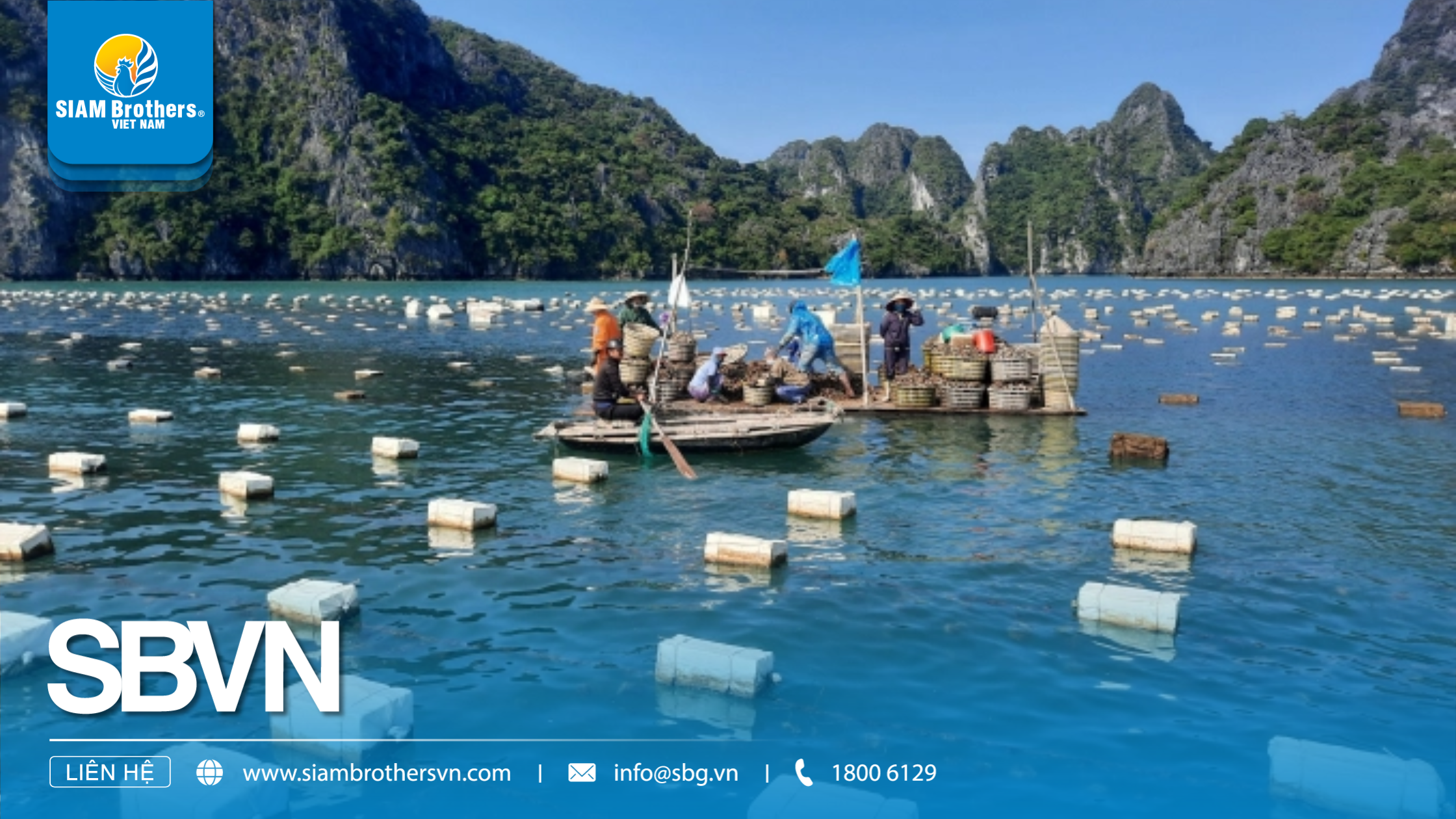
Transition from Styrofoam Floats to HDPE Floating Buoys – Source: SIAM Brothers Vietnam
The growing popularity of HDPE in aquaculture is driven by several important benefits.
HDPE is highly resistant to UV radiation, oxidation, and saltwater exposure. Properly maintained HDPE systems can operate for many years with minimal degradation.
Unlike metal structures or wooden cages, HDPE does not rust, rot, or corrode in seawater environments.
HDPE surfaces are smoother and less susceptible to fouling compared to traditional materials, making cleaning and maintenance more efficient.
HDPE has strong recyclability potential and helps reduce marine pollution caused by deteriorating styrofoam or damaged wooden structures.
One of HDPE’s greatest advantages is its suitability for large-scale offshore aquaculture systems, where structures must withstand waves, currents, and harsh weather conditions.
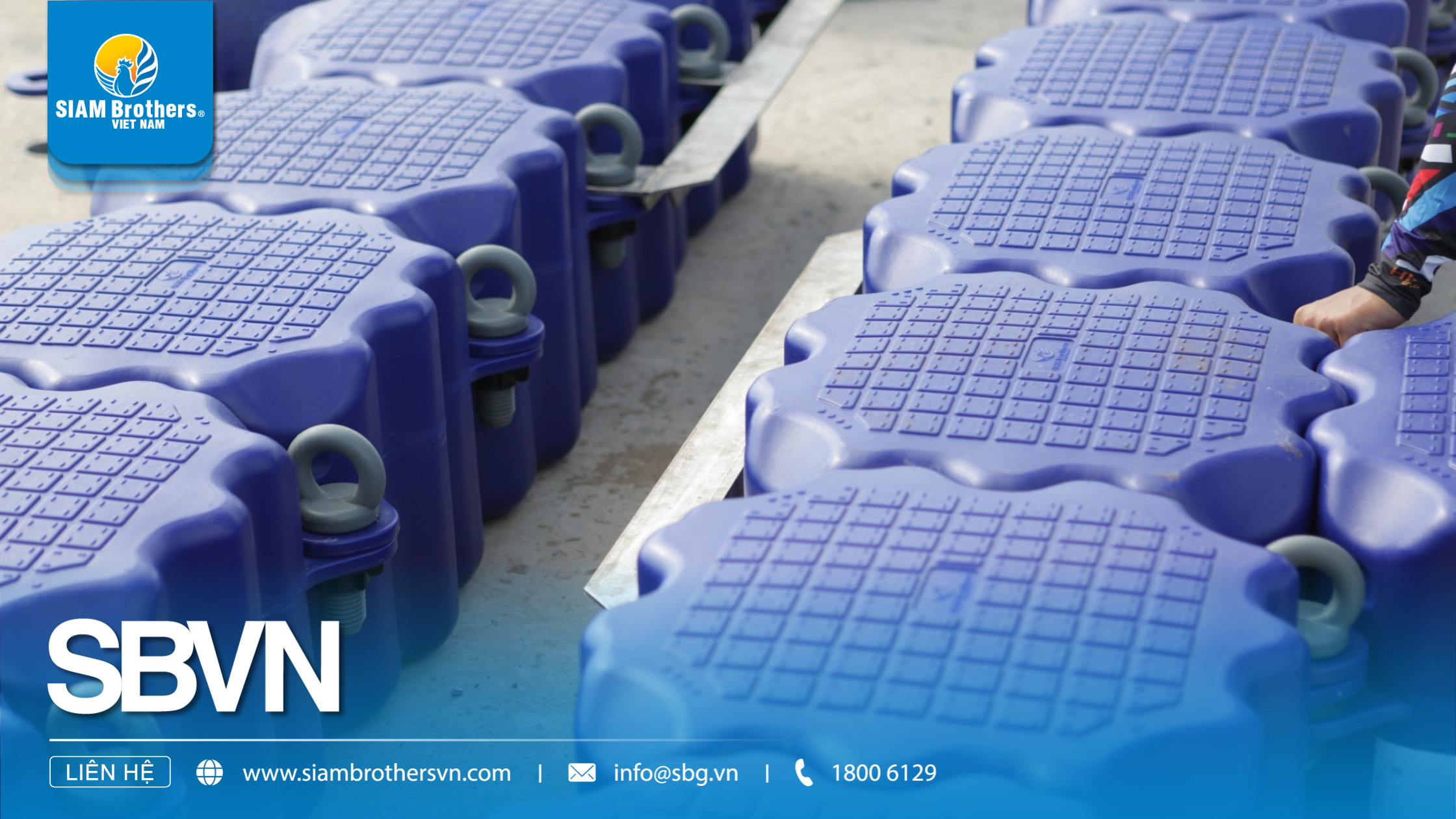
HDPE Floating Buoys by SIAM Brothers Vietnam – Source: SIAM Brothers Vietnam
For many years, aquaculture systems in Asia and other coastal regions relied heavily on:
Wooden cages
Bamboo structures
Styrofoam floats
Plastic barrels
However, these materials present multiple challenges:
Short lifespan in seawater
Frequent maintenance requirements
Limited resistance to storms
Environmental pollution
Structural instability in offshore conditions
Styrofoam waste, in particular, has become a major environmental issue in many coastal aquaculture regions.
Vietnam is among the countries actively promoting the transition from traditional aquaculture infrastructure to HDPE-based systems.
Coastal provinces such as Quang Ninh, Khanh Hoa, Phu Yen, and Quang Ngai have implemented programs encouraging fish farmers to replace wooden cages and styrofoam floats with HDPE alternatives.
This transition aligns with Vietnam’s long-term marine aquaculture development strategy, which focuses on sustainability, climate resilience, and industrial offshore farming.
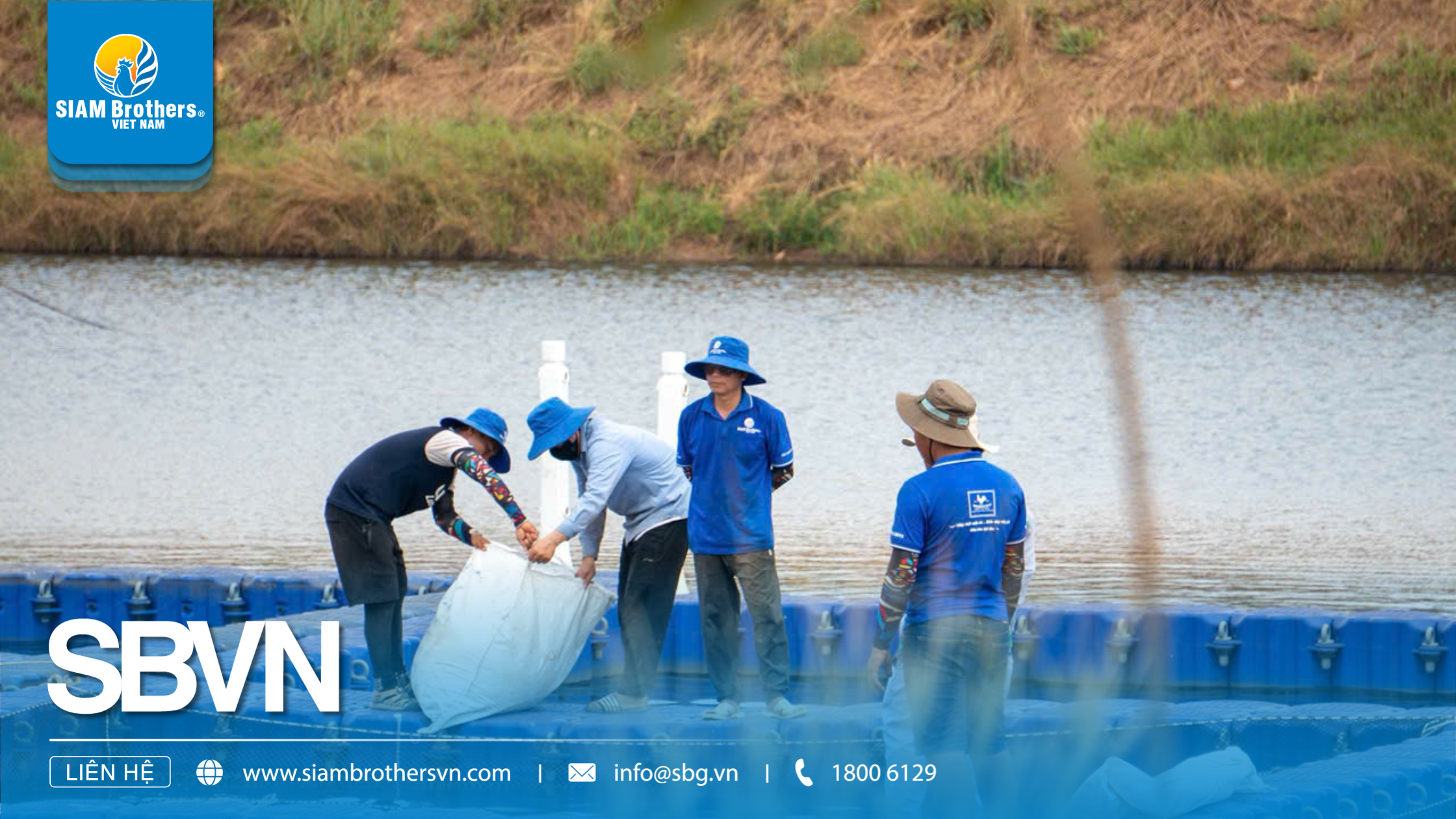
HDPE Fish Cage Floats by SIAM Brothers Vietnam – Source: SIAM Brothers Vietnam
As nearshore marine resources become increasingly limited, many countries are shifting toward offshore aquaculture.
Offshore systems require infrastructure capable of:
Operating in deep water
Resisting strong currents and waves
Supporting large-scale production
Maintaining structural stability for long periods
HDPE is considered one of the most suitable materials for these requirements.
Countries such as Norway, Chile, Japan, and Denmark have already adopted HDPE cage systems extensively in industrial marine farming.
HDPE cage systems can support:
Better water circulation
Automated feeding systems
Improved fish health management
Reduced structural damage during storms
Many aquaculture operators report that HDPE cages help improve survival rates while lowering long-term maintenance costs.
Beyond marine fish farming, HDPE is also widely used in modern shrimp farming systems.
HDPE pond liners offer several advantages:
Effective waterproofing
Better water quality management
Easier pond cleaning
Reduced disease risks
Improved biosecurity
As a result, HDPE liners are increasingly adopted in intensive and super-intensive shrimp farming operations.
HDPE plays a key role in modern aquaculture technologies such as:
Biofloc systems
RAS (Recirculating Aquaculture Systems)
Water recirculation systems
High-tech shrimp farming
These systems are designed to improve productivity while minimizing environmental impact.
Environmental sustainability is one of the major reasons behind the adoption of HDPE in aquaculture.
Compared to styrofoam and low-quality materials, HDPE offers:
Better durability in seawater
Reduced floating waste after storms
Recyclability potential
Lower dependence on natural wood resources
Many coastal regions are now replacing traditional styrofoam floats with HDPE solutions to protect marine ecosystems.
Global seafood markets are placing greater emphasis on:
ESG compliance
Sustainable farming practices
Traceability
Environmental standards
HDPE infrastructure supports aquaculture producers in upgrading their operations to meet these international requirements.
Modern aquaculture systems increasingly integrate technology into HDPE infrastructure.
Examples include:
Water quality monitoring sensors
Underwater cameras
Automated feeding systems
Remote farm management platforms
These technologies are becoming more common in advanced aquaculture markets and are gradually expanding into Southeast Asia.
7.2. Future Market Outlook
Between 2026 and 2030, demand for the following products is expected to grow significantly:
HDPE fish cages
HDPE floating systems
HDPE pipes
HDPE pond liners
Offshore aquaculture infrastructure
HDPE is projected to become one of the core materials supporting the modernization of the global aquaculture industry.
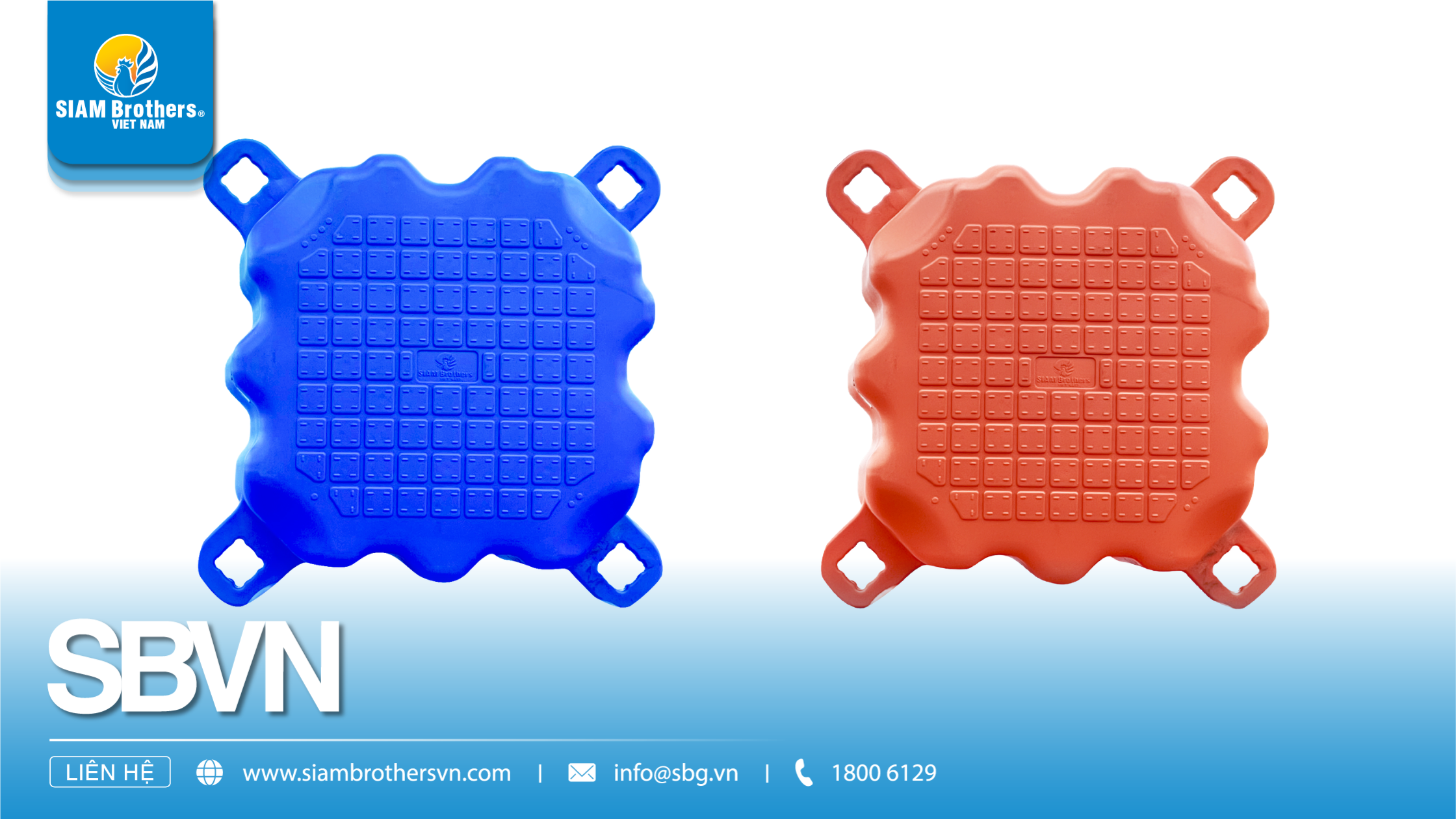
HDPE Floating Buoys by SIAM Brothers Vietnam – Source: SIAM Brothers Vietnam
Despite its many advantages, HDPE adoption still faces several challenges.
|
Challenge |
Reality |
|
High initial investment |
More expensive than traditional materials |
|
Installation requirements |
Requires technical expertise and proper anchoring systems |
|
Industrial-scale suitability |
More effective for large-scale operations |
|
Farmer adoption |
Some small-scale farmers remain hesitant |
However, over the long term, HDPE systems often provide better economic efficiency through lower maintenance costs and longer operational life.
HDPE material trends in aquaculture are continuing to grow rapidly worldwide due to their durability, corrosion resistance, sustainability, and compatibility with industrial offshore farming systems.
As the aquaculture industry moves toward sustainable production, climate resilience, and high-tech marine farming, HDPE is increasingly recognized as a critical infrastructure material for the future.
With rising demand for modern aquaculture solutions, HDPE is expected to remain at the center of the industry’s transformation in the coming years.
References
Vietnam Fisheries Magazine – HDPE Cage Systems in Aquaculture
VTV.vn – Benefits of HDPE Fish Cage Systems
Aquaculture Vietnam – Prospects of HDPE Marine Farming Models
Vietnam Fisheries Magazine – Sustainable Shrimp Farming with HDPE Liners
Dekko Pipe – HDPE Fish Cage Solutions for Marine Aquaculture
Source: SIAM Brothers Vietnam
Read more: Buy High-Quality HDPE Floating Pontoons in Phu Quoc – Best Price 2026
Contact us:
Address: 5th floor, VRG Building, 177 Hai Ba Trung Street, Vo Thi Sau Ward, Ho Chi Minh City, Vietnam
Tel: (+84) 28 38 912 889
Hotline: 1800 6129
Facebook: www.facebook.com/siambrothersvn
Email: info@sbg.vn
YouTube: youtube.com/@siambrothersvietnam1728
OA Zalo: zalo.me/1402339229697925373
App SBVN ID:
CHPlay: https://bit.ly/SBVNID-Android
Appstore: https://bit.ly/SBVNID-iOS








Specializing in Agricultural and Fisheries Products & Multipurpose Wire