
- 1800 6129

Aquaculture Supplies have become a key factor in determining system durability, operational efficiency, and overall investment costs in modern aquaculture operations. With so many options available-from aquaculture ropes, trawl nets, and twines to HDPE cage floats and LLDPE debris barriers - how can you identify the right solution for your fish farms, shrimp ponds, offshore cages, or industrial aquaculture systems?
Choosing the right supplies does more than extend the lifespan of your infrastructure. It also helps reduce maintenance costs, minimize operational risks, and improve long-term productivity. In this guide, SIAM Brothers Vietnam explores the most commonly used aquaculture supplies today and shares practical selection criteria for aquaculture businesses, distributors, fish farmers, and modern farming operations.
Simply put, aquaculture supplies refer to the products, materials, and equipment used to support aquaculture production, harvesting, and day-to-day farm operations.
Depending on whether you operate a pond farm, reservoir farm, offshore fish farm, or industrial marine aquaculture system, the types of supplies required may vary. However, the following categories are widely used across the industry.
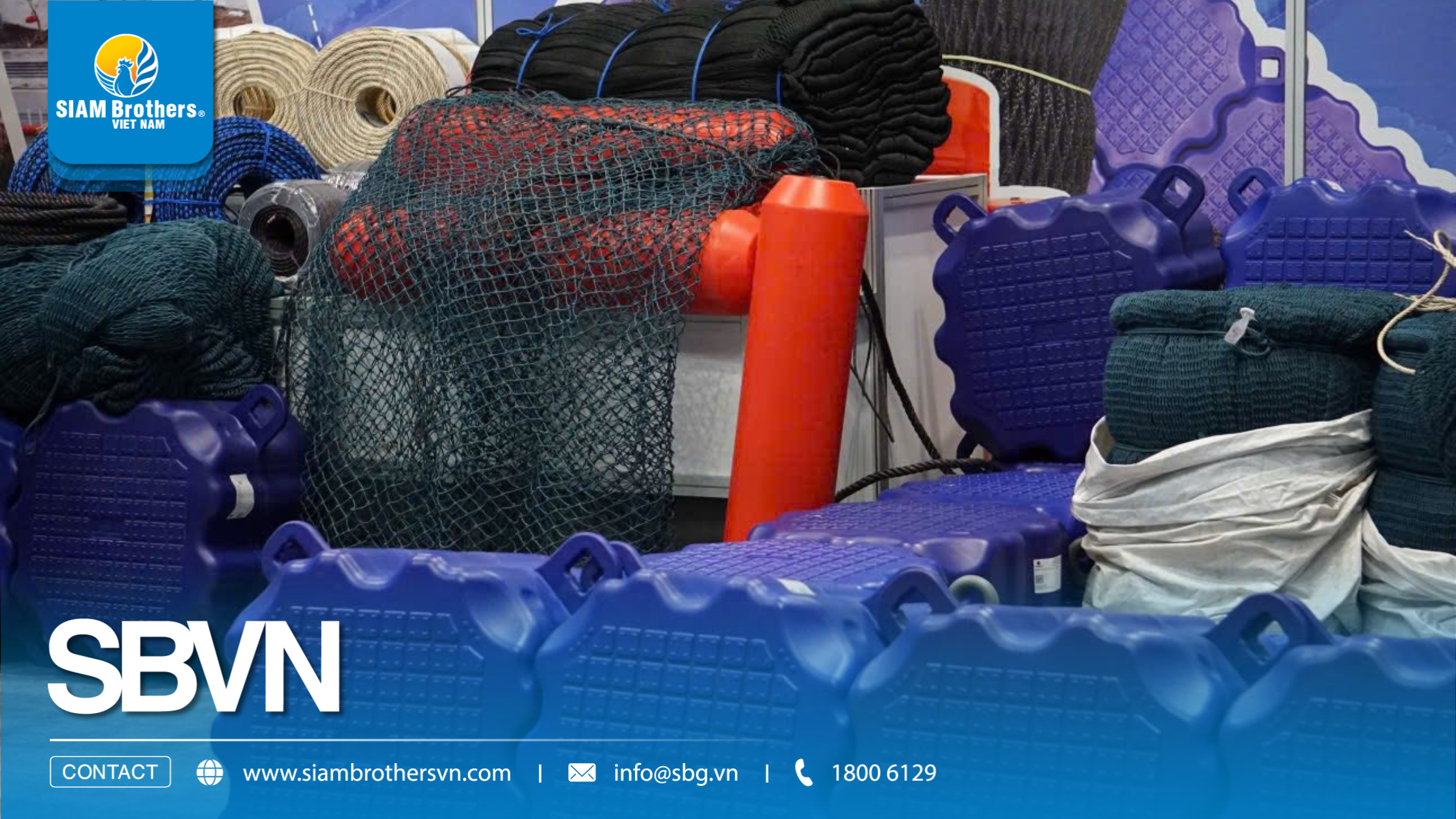
Aquaculture Ropes
Aquaculture ropes play a critical role in securing and supporting farming structures.
Key applications include:
Common rope materials include:
Important characteristics:
Main benefits include:
Today, many aquaculture companies are replacing conventional floats with HDPE alternatives because of their longer lifespan and superior performance.
Typical applications:
LLDPE debris barriers help maintain a cleaner and healthier farming environment.
Primary functions:
Common installation areas include:
Modern aquaculture systems also require a variety of auxiliary products, such as:
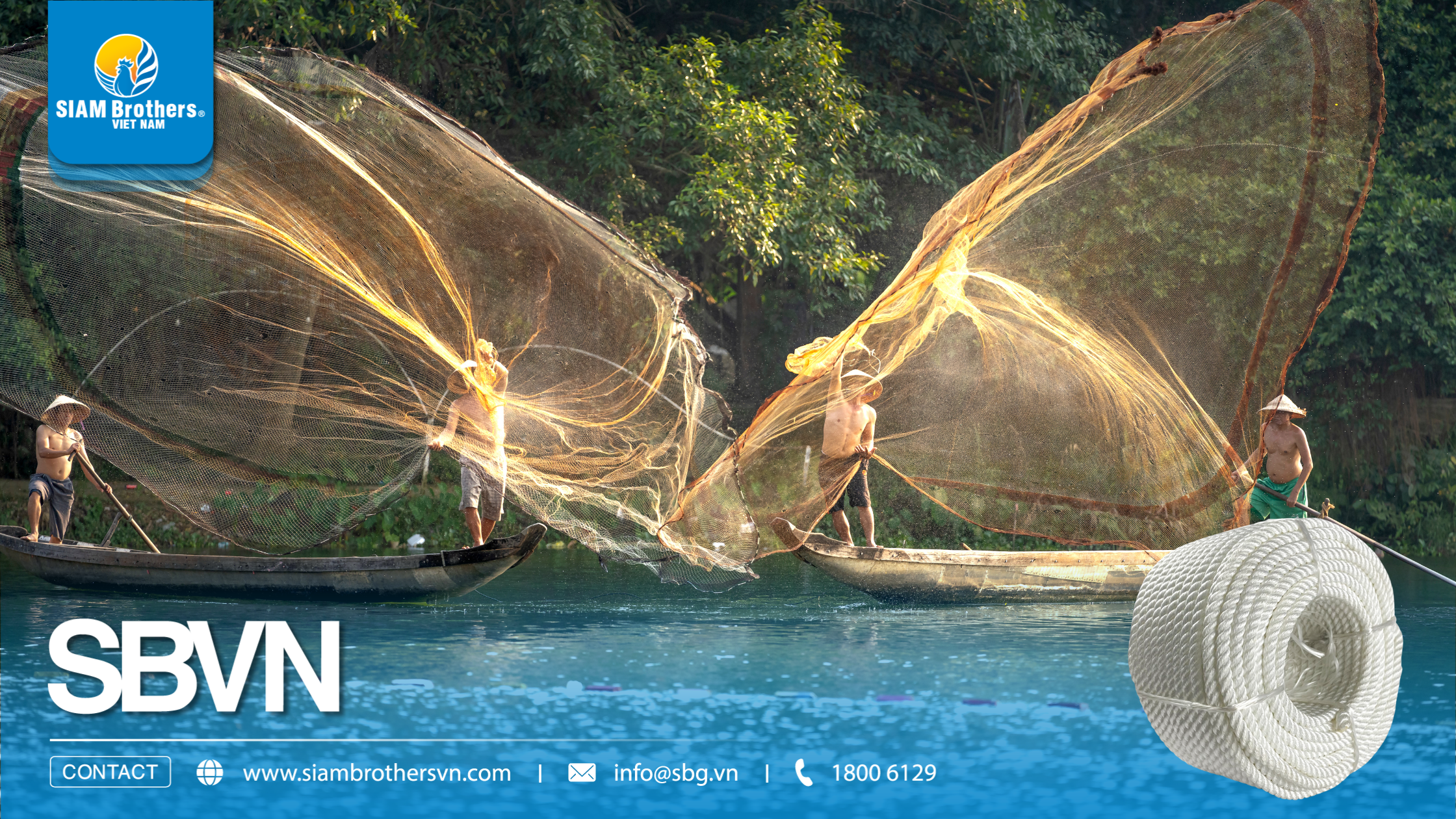
In the past, many fish farmers focused primarily on purchasing low-cost supplies to reduce initial investment expenses. However, after several production cycles, repair and replacement costs often increased significantly.
Today, the aquaculture industry is shifting toward a more sustainable and long-term approach.
Current priorities include:
For industrial-scale and offshore aquaculture operations, investing in high-quality aquaculture supplies is no longer optional—it has become a necessity.
Ropes are among the most essential components of marine farming systems. Choosing the wrong rope can lead to premature wear and compromise the stability of your anchoring system.
Main Applications
Common Types of Aquaculture Ropes
Selection Criteria
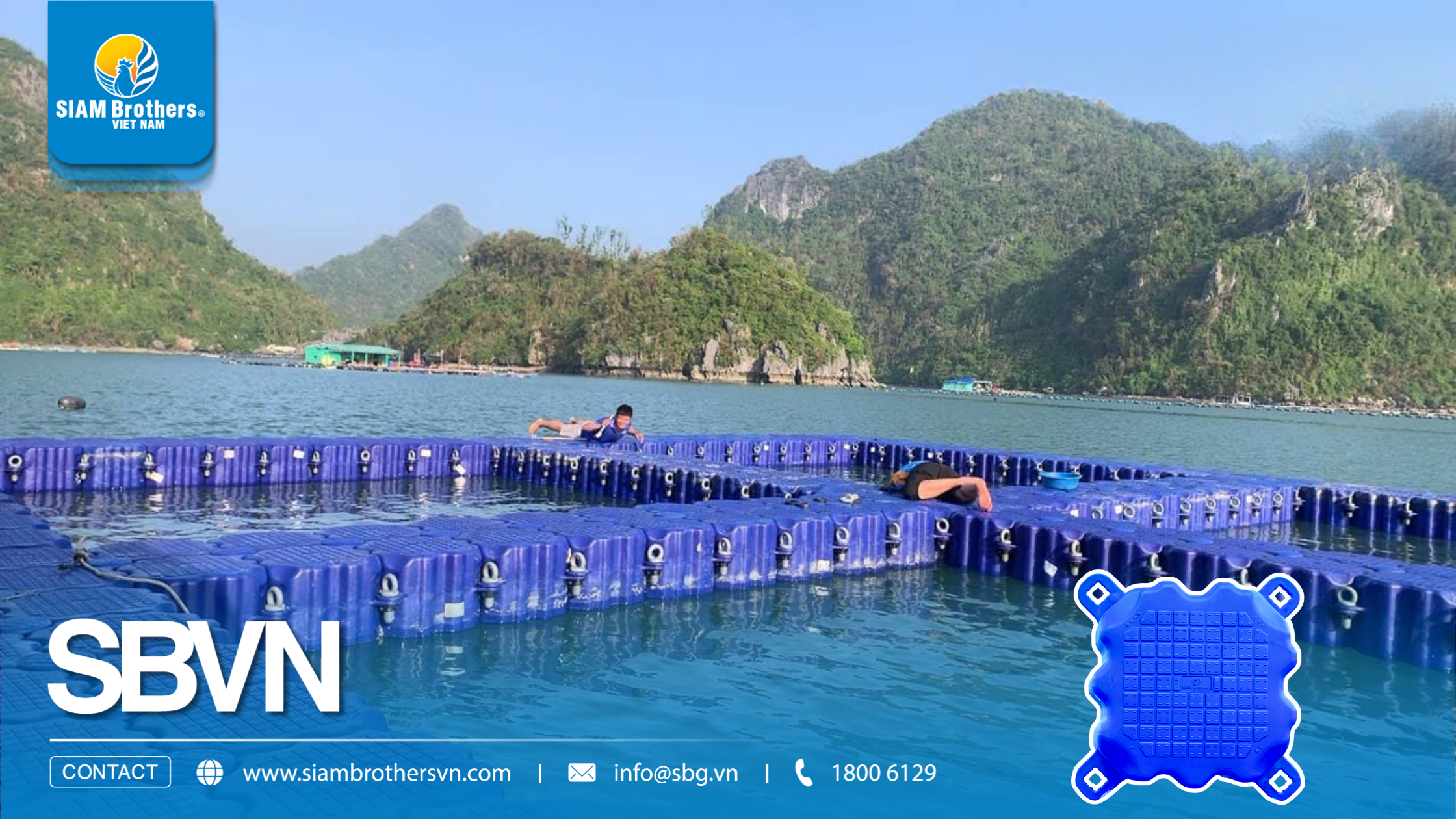
Among modern aquaculture supplies, HDPE cage floats are gaining popularity due to their long lifespan and excellent impact resistance.
Key Functions
Major Advantages
Common Applications
HDPE cage floats improve system stability and help reduce maintenance costs in industrial aquaculture operations. Source: SBVN
These products are widely used in commercial fisheries and large-scale aquaculture activities.
Applications
Performance Requirements
Popular Products
Using low-quality nets can result in tearing, reduced productivity, and higher replacement costs over time.
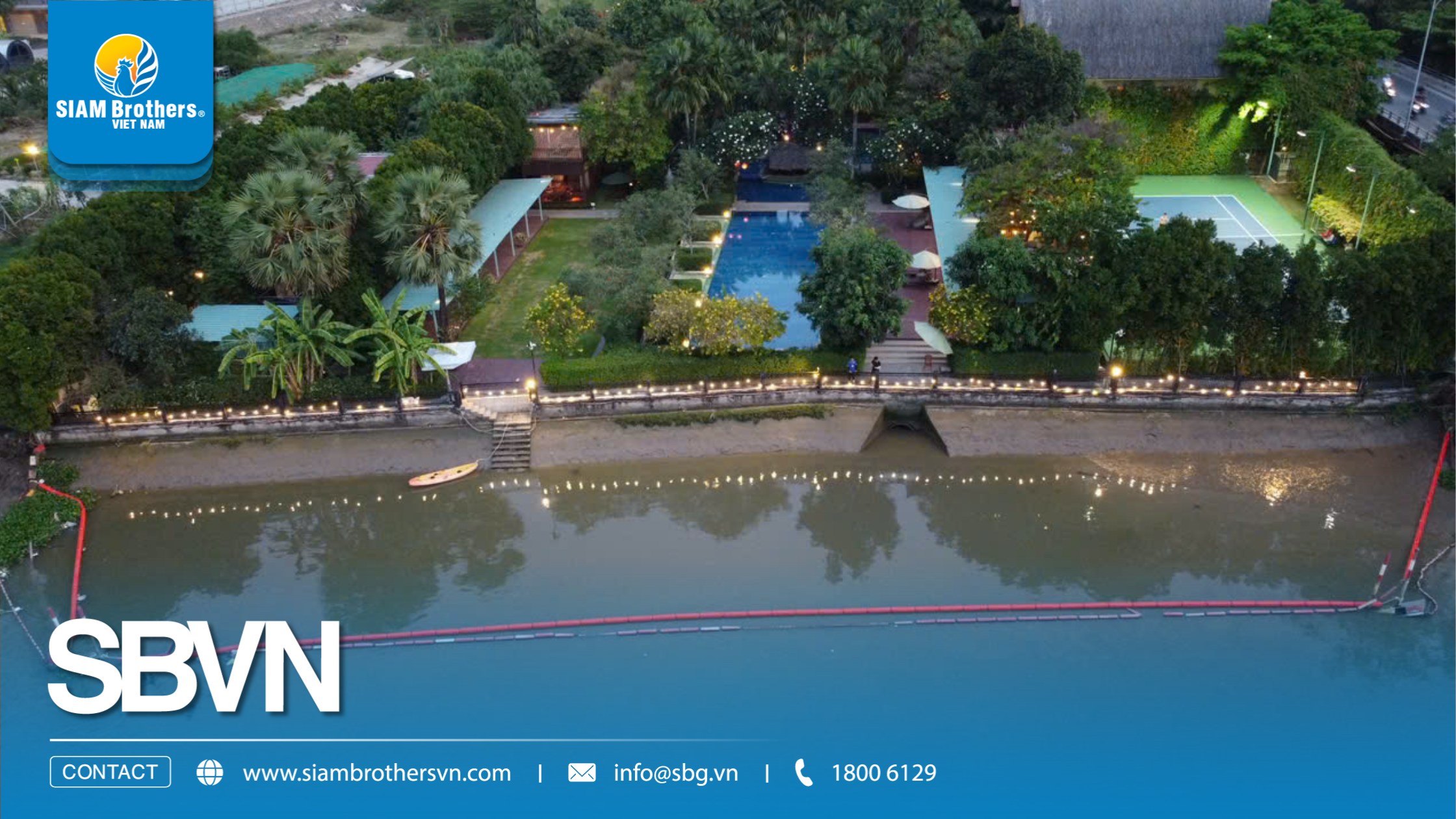
In addition to farming infrastructure, many aquaculture sites require effective waste-control solutions to protect water quality.
Main Functions
Key Features
Common Applications
As sustainable aquaculture practices continue to grow, LLDPE debris barriers are becoming an increasingly valuable solution for both businesses and local communities.
Over the past few years, HDPE materials have become increasingly common in industrial marine aquaculture.
Typical Applications
Why HDPE Is Preferred
Best Suited For
In addition to major components, modern aquaculture systems rely on a range of supporting products to ensure smooth operation.
Common Auxiliary Products
Practical Benefits
Many operators overlook these items during the planning stage. However, selecting the right supporting supplies can significantly improve system reliability and reduce operational issues over the long term.
Selecting the right aquaculture supplies is one of the most important decisions for any fish or shrimp farming operation. The right products can improve system performance, reduce maintenance costs, and extend the lifespan of your infrastructure. On the other hand, poor-quality supplies may lead to frequent repairs, production disruptions, and higher operating expenses.
Different farming systems require different types of aquaculture supplies. Choosing products that match your farming environment from the start can save both time and money.
For Pond and Reservoir Farming
Recommended characteristics:
Essential requirements:
This is one of the most important factors when selecting aquaculture supplies, yet it is often overlooked.
Marine environments are exposed to:
Without proper UV protection, materials may quickly become:
Aquaculture ropes
3.3. Select Supplies with the Right Load Capacity
A common mistake is choosing products based solely on appearance or thickness.
In reality, every aquaculture system faces different load conditions, including:
Using supplies with insufficient strength may result in:
Before Purchasing, Check:
The market is full of low-cost products with unclear origins or missing technical information.
While they may reduce initial investment costs, they often lead to:
Material type
This is especially important for offshore and long-term marine farming projects.
Many farmers focus only on the purchase price and overlook long-term ownership costs.
For example:
Meanwhile, premium aquaculture supplies typically offer:
This investment approach is becoming increasingly popular among modern aquaculture businesses.
Product quality matters, but supplier expertise is equally important.
An experienced aquaculture supplier can help you choose:
The aquaculture industry is rapidly evolving, and supply selection is changing along with it. Today's businesses are increasingly focused on durability, sustainability, and long-term value rather than simply choosing the lowest-cost option.
One of the biggest trends is the shift toward materials that deliver long-term performance.
Businesses now prioritize:
HDPE has become one of the most widely used materials in industrial aquaculture systems.
Common Applications
Why HDPE Is So Popular
Modern aquaculture systems require more than basic rope solutions.
Today's farmers increasingly prefer:
Commonly Used Aquaculture Rope Types
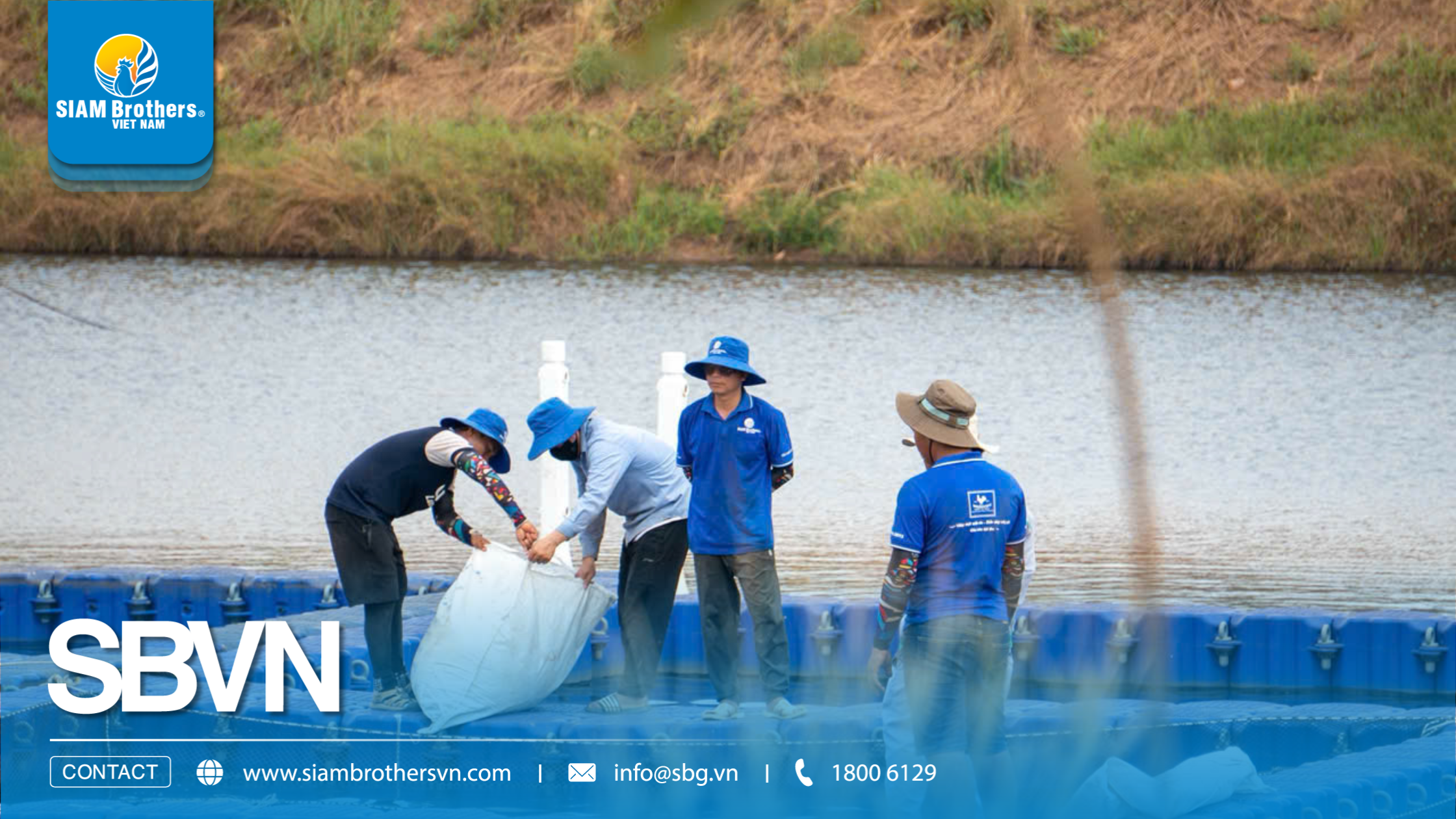
Aquaculture supplies include a wide range of products used to support fish and shrimp farming operations.
Common examples include:
Each product serves a specific role within an aquaculture system.
The best option depends on your farming conditions and operational requirements.
Suitable for moderate loads
HDPE floats are widely used in modern offshore aquaculture because they offer:
They also help maintain stable flotation under harsh weather and rough sea conditions.
When evaluating aquaculture supplies, consider:
The right choice depends on your specific farming operation.
Marine farming systems are exposed to sunlight year-round.
Without UV protection, materials may:
This is why UV-resistant ropes, HDPE floats, and floating components are increasingly preferred.
Lower prices may seem attractive initially, but poor-quality products often result in:
For year-round marine operations, investing in quality supplies generally provides better long-term value.
Look for suppliers that offer:
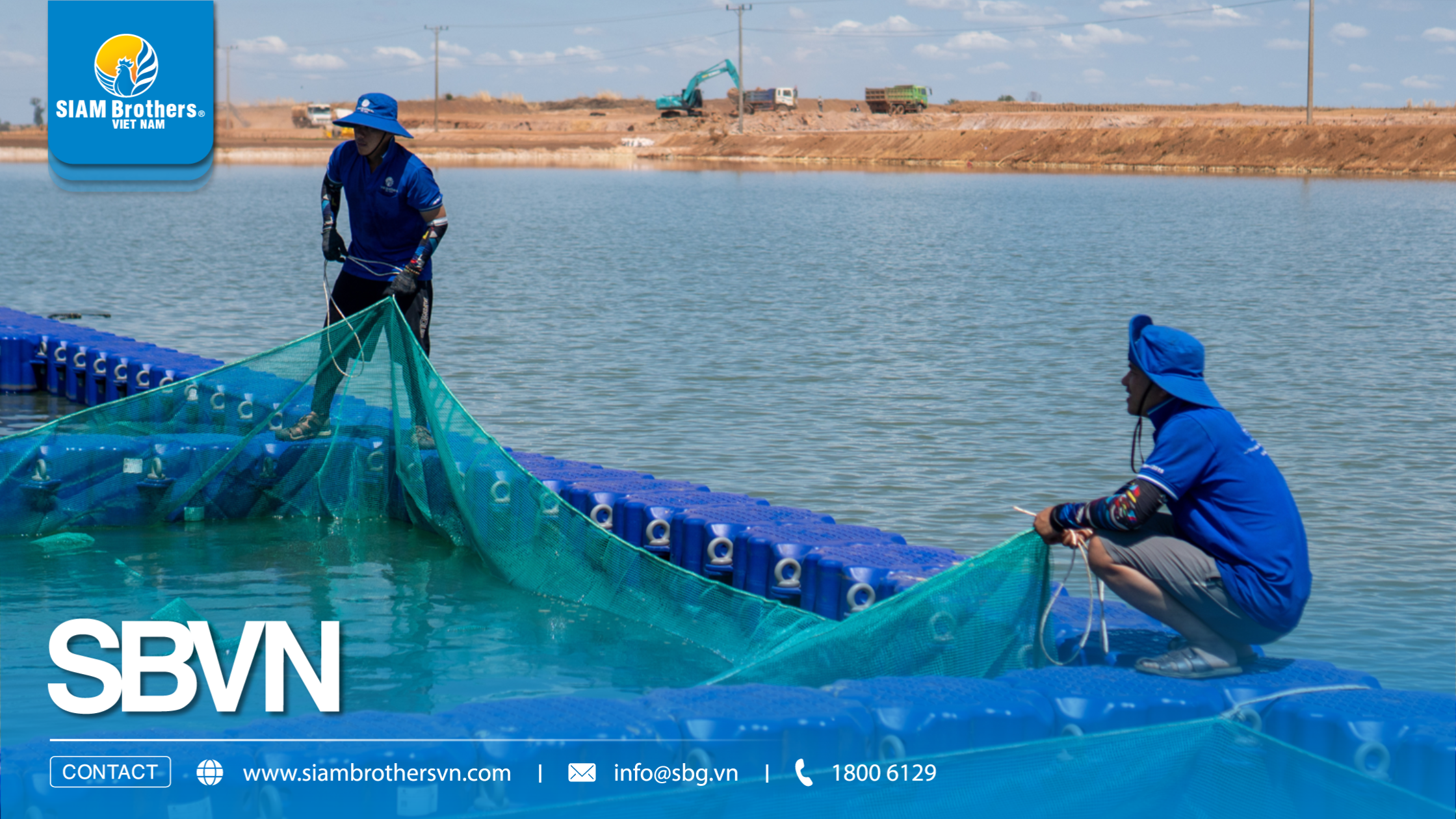
Today, SIAM Brothers Vietnam is one of the trusted suppliers serving the fisheries and aquaculture industries with a comprehensive portfolio that includes ropes, HDPE floats, HDPE materials, and modern floating-system components.
Aquaculture supplies are far more than supporting materials—they directly impact system durability, operational efficiency, and long-term profitability. From aquaculture ropes and trawl nets to HDPE cage floats and advanced floating systems, every component should be carefully selected based on your farming environment and operational requirements.
As modern aquaculture continues to evolve toward larger-scale, more sustainable production, investing in high-quality supplies is becoming increasingly important. If you're looking for reliable solutions for your fish or shrimp farming operation, SIAM Brothers Vietnam offers a wide range of aquaculture supplies designed to improve performance, enhance durability, and optimize long-term investment value.
Source: SIAM Brothers Vietnam
Contact us:
► Address: 5th floor, VRG Building, 177 Hai Ba Trung Street., Xuan Hoa Ward, Ho Chi Minh City, Vietnam
► Hotline: 1800 6129
► Tel: (+84) 28 38 912 889
► Email: info@sbg.vn
► Follow us for more details at: Facebook - Zalo OA - Tiktok - Youtube - LinkedIn
Download SBVN ID app here:
► CHPlay
► Appstore








Specializing in Agricultural and Fisheries Products & Multipurpose Wire