
- 1800 6129

From the shore, the ocean may appear to be one vast stretch of water. Beneath its surface, however, lie very different environments: sunlit waters, seagrass meadows sheltering young fish, and dark depths where life persists without sunlight. Organisms connect through food, habitat, and the continuous movement of matter. To understand this living world and its relationship with human activities, let’s explore with SIAM Brothers Vietnam...
When we think of marine life, fish, sea turtles, dolphins, and whales often come to mind. Yet many processes that sustain marine ecosystems also depend on much smaller organisms, including microscopic algae, zooplankton, bacteria, and organisms living in seabed sediments.
The ocean supports animals, plants, algae, and microorganisms. Each uses its environment differently. Some photosynthesize, some filter food from the water, some hunt, and others help break down organic matter.
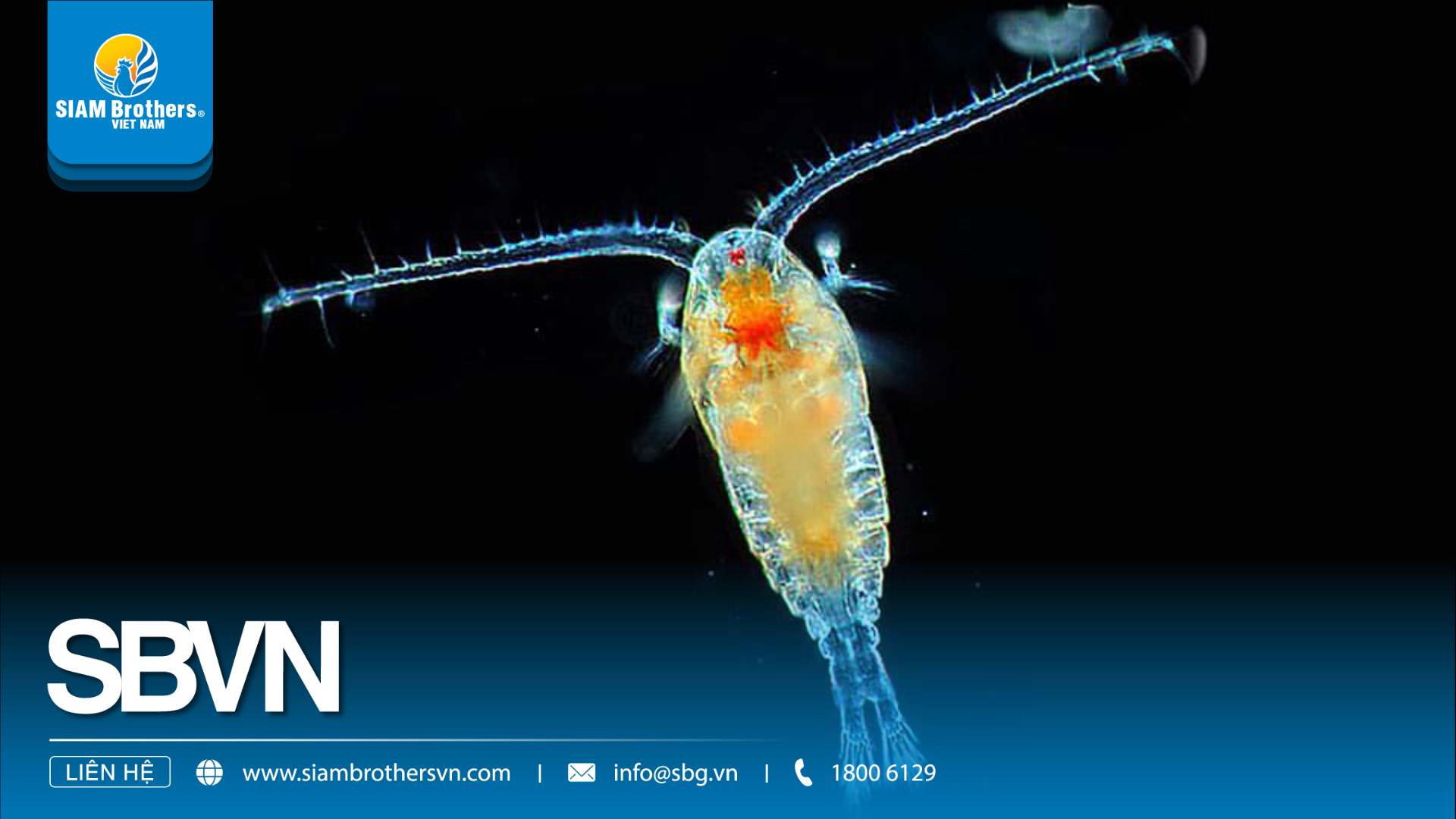
Plankton under a microscope - Source: Internet
The term “plankton” describes how an organism moves through the water, rather than its size. Plankton drift with currents and cannot swim strongly enough to overcome them. This group therefore includes microscopic algae and larvae, as well as some relatively large jellyfish.
Phytoplankton are important photosynthetic organisms. Zooplankton obtain food from other organisms or organic matter. Some species spend only their early life stages as plankton before becoming active swimmers or settling on the seabed (NOAA, n.d.-h).
Corals may resemble branches or rocks, but they are animals. Many form colonies of small individuals called polyps. Reef-building corals produce calcium carbonate skeletons, and successive generations contribute to the structure of a reef.
Seagrasses, by contrast, are flowering plants with roots and leaves. They grow submerged in shallow coastal waters where sufficient sunlight reaches the seabed. They differ from seaweeds, which are algae. These distinctions help explain why organisms respond differently to environmental changes (NOAA, n.d.-a, n.d.-e).
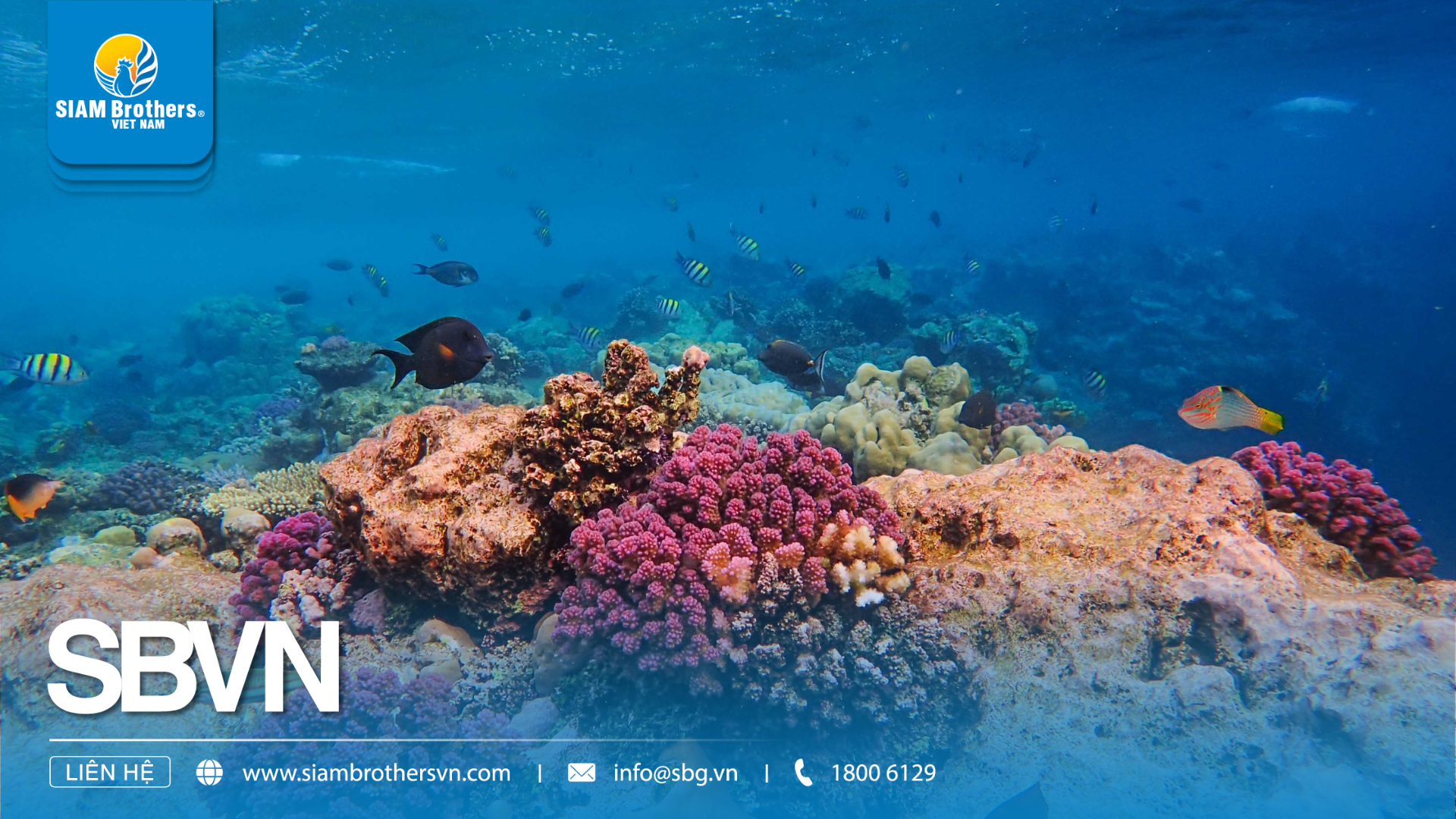
Coral reef - a habitat for many marine species. - Source: Pexels
As depth increases, light diminishes and pressure rises. Temperature, food availability, and water conditions also change, creating distinct environments.
Scientists commonly divide the water column into depth zones. These describe environmental conditions; they do not mean that every organism remains within a single zone.
|
Zone |
Common depth range |
General characteristics |
|
Epipelagic |
0–200 m |
Surface waters receiving the most sunlight. |
|
Mesopelagic |
200–1,000 m |
Light fades; often called the twilight zone. |
|
Bathypelagic |
1,000–4,000 m |
Sunlight is absent; often called the midnight zone. |
|
Abyssopelagic |
4,000–6,000 m |
Cold, dark waters under high pressure. |
|
Hadal |
Below 6,000 m, reaching approximately 11,000 m |
The deepest environments, particularly ocean trenches. |
These boundaries are broad conventions. Light penetration depends on water clarity and local conditions, so the entire 0–200 m zone does not necessarily receive enough light for photosynthesis (NOAA, n.d.-c).
In deep-sea footage, small particles sometimes drift past the camera like falling snow. This phenomenon is called marine snow.
It consists of sinking material that can include fragments of dead organisms, waste, and aggregated particles. Some is consumed or decomposed on the way down; the remainder continues into deeper water.
This movement carries food from upper waters to many organisms living in darkness. Surface and deep-sea life are therefore connected by the flow of organic matter (NOAA, n.d.-g).
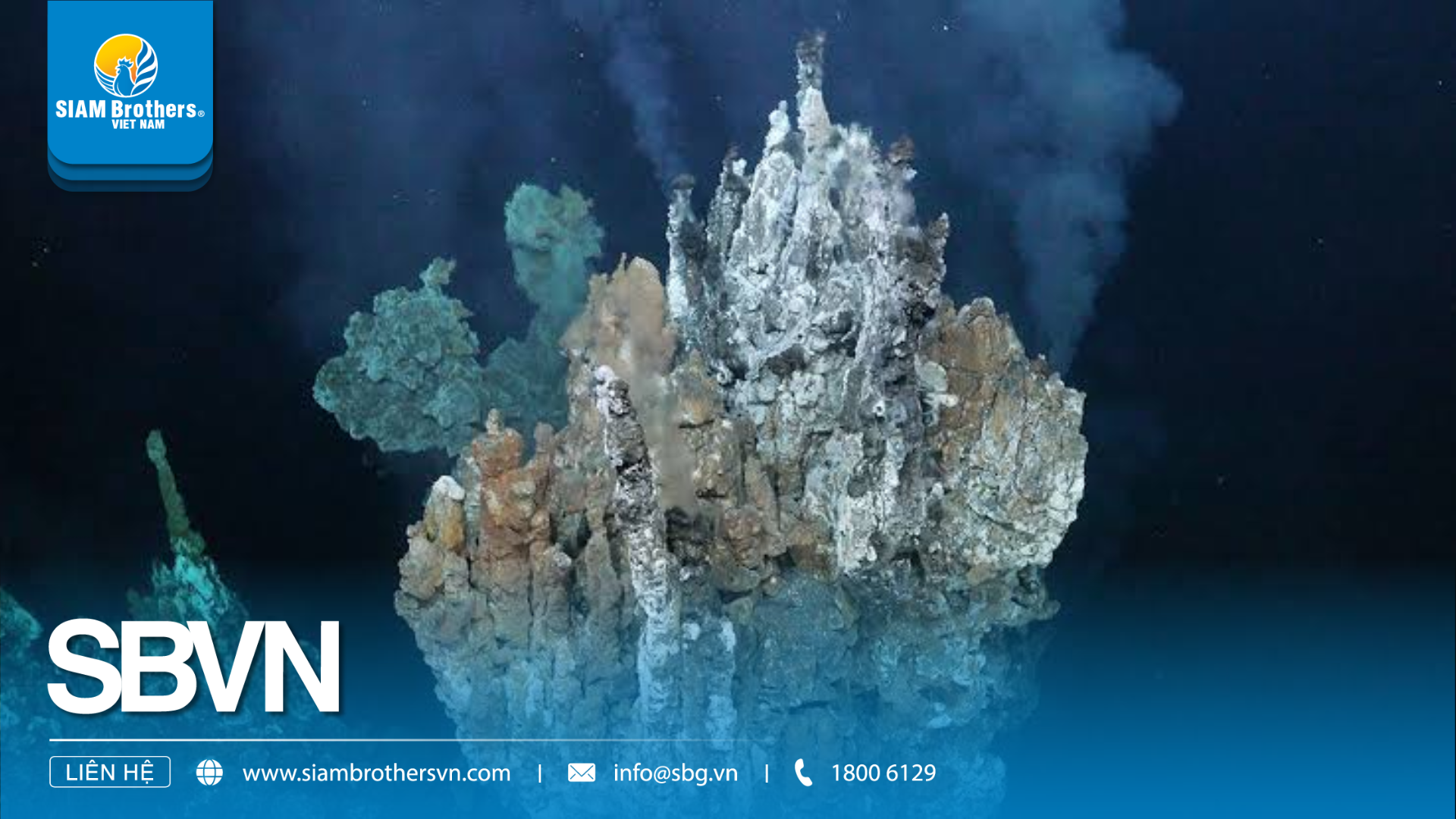
Deep-sea hydrothermal vents. Source: VnExpress
Around some hydrothermal vents on the seabed, microorganisms use energy from chemical reactions to produce organic matter. This process is called chemosynthesis.
These microorganisms can support communities of organisms around the vents. Such ecosystems demonstrate that life can be sustained by an energy source other than sunlight.
However, chemosynthesis does not support the entire deep ocean. Many deep-sea organisms still depend on organic material sinking from the waters above (NOAA Ocean Exploration, n.d.).
An ecosystem is more than a list of species found in one place. It also includes their relationships and the exchange of energy and matter with the environment.
A change affecting small organisms can influence much larger animals through these connections.
In sunlit waters, phytoplankton use solar energy to produce organic matter. They provide food for many zooplankton, transferring energy onward to fish and other consumers.
This explains why organisms barely visible to the naked eye play such an important role in the ocean. Their abundance, seasonal timing, and species composition can all influence the food available to other organisms (NOAA, n.d.-b, n.d.-h).
A simple food chain can illustrate one pathway of energy:
Phytoplankton → zooplankton → plankton-eating fish → predatory fish.
In nature, however, a species often consumes several types of food and is eaten by several predators. These overlapping chains form a food web.
An organism’s position can change with its age, size, and diet. Whales and sharks cannot all be assigned to the same feeding level simply because they are large animals (NOAA, n.d.-b).
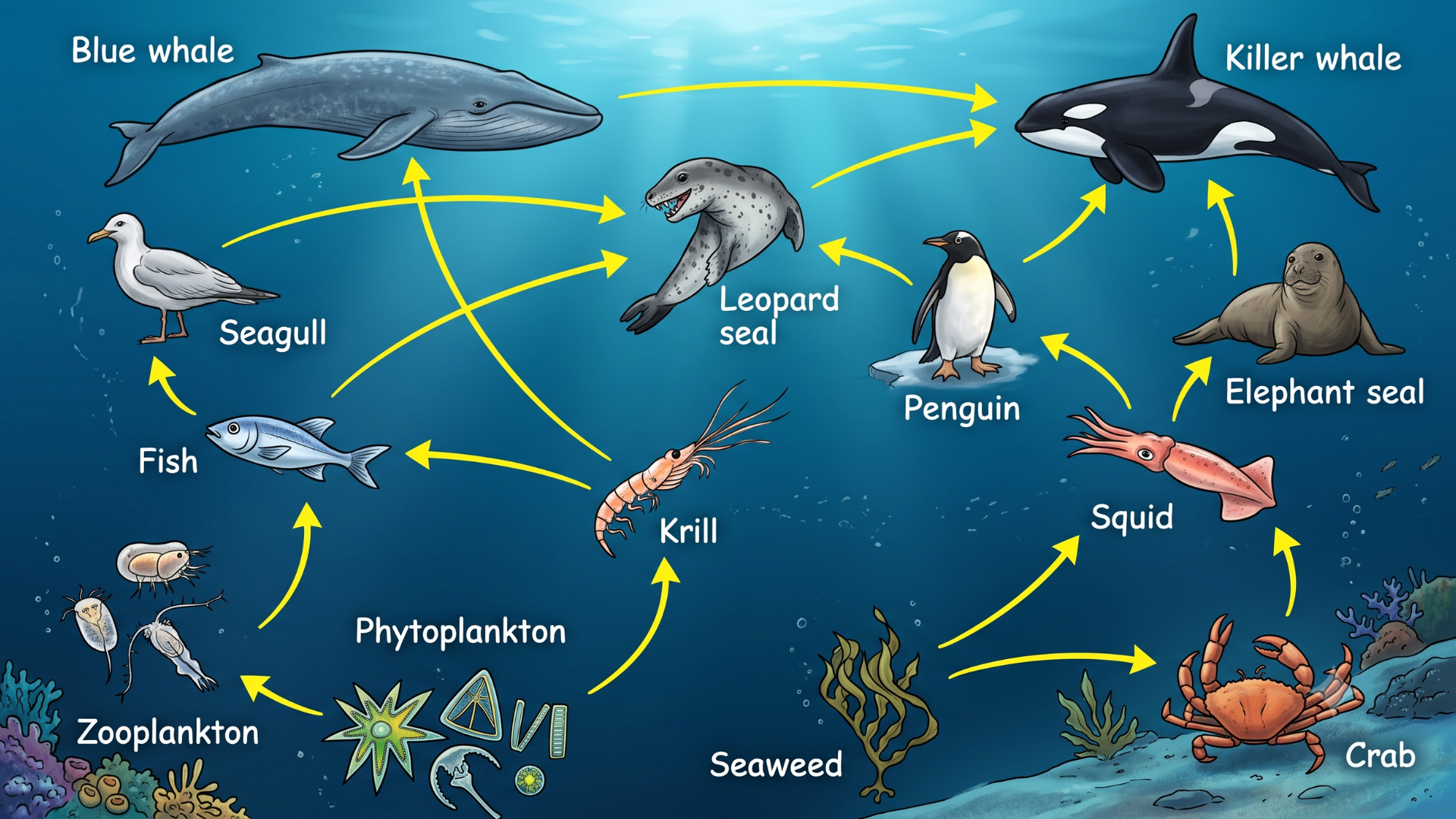
Diagram illustrating the complex ocean food web.
Coral reefs create structures with shelter and surfaces that other organisms can occupy. Seagrass meadows provide habitat, feeding areas, and nursery grounds for many fish and invertebrates.
Seagrasses also help trap sediment and stabilize the seabed. When poor water quality or anchoring damages a meadow, the effects can extend to species that depend on it during part of their life cycle.
Protecting marine life therefore includes protecting the habitats that support it (NOAA, n.d.-a, n.d.-e).
Marine organisms are adapted to particular conditions. Changes in temperature, seawater chemistry, or habitat can affect their ability to feed, grow, and survive.
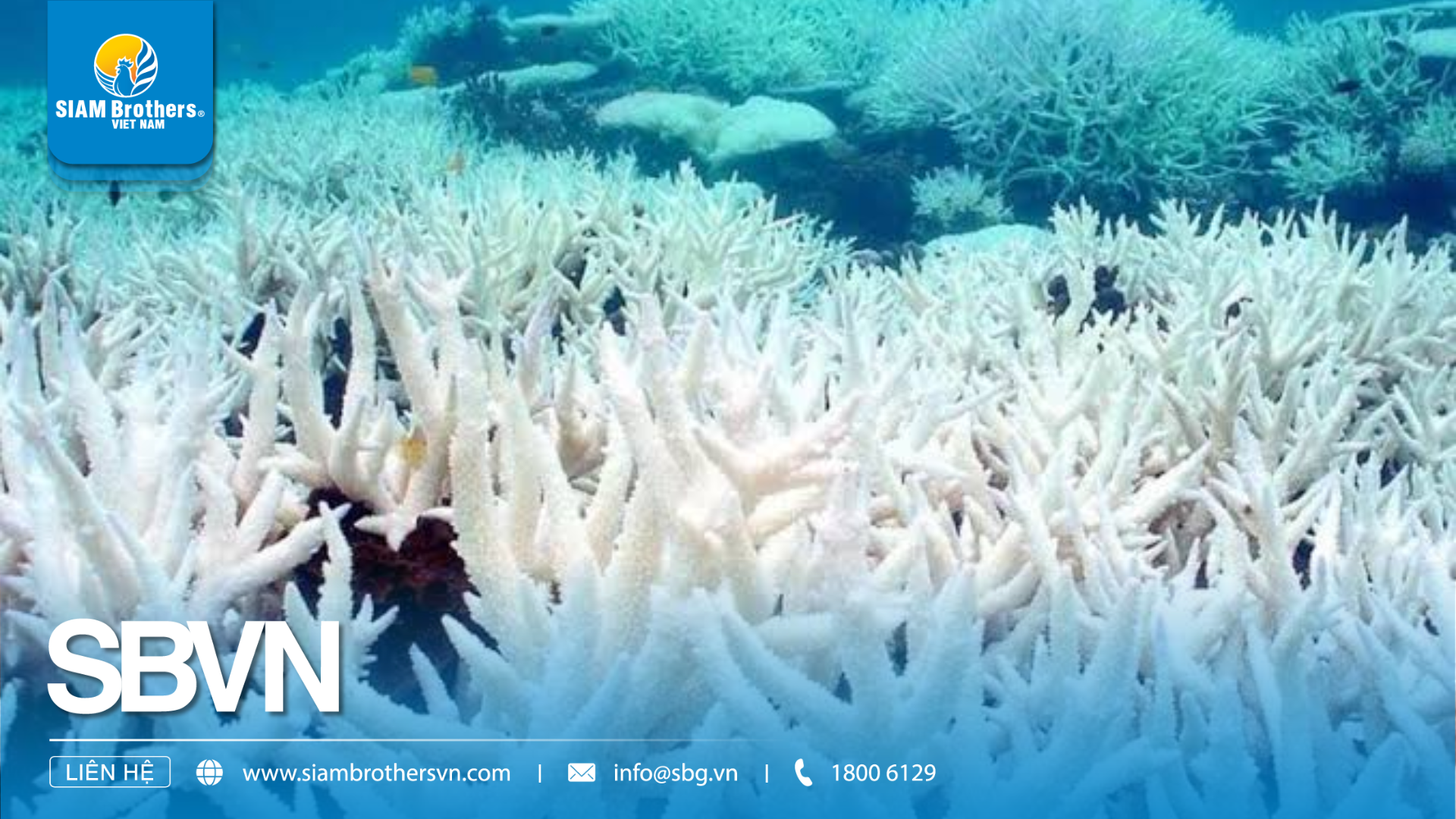
Coral bleaching phenomenon due to environmental stress. Source: Oceanographic Museum
Many reef-building corals live with microscopic algae inside their tissues. These algae provide an important part of the coral’s nutrition and contribute to its color.
When environmental conditions cause stress, corals may lose these symbiotic algae and become white or pale. This is known as coral bleaching.
Bleached coral is not necessarily dead. It may recover if conditions improve, but prolonged stress increases the risk of mortality. Excessively warm water is an important cause, although changes in light, pollution, and other disturbances can also trigger bleaching (NOAA, 2026).
When carbon dioxide dissolves in seawater, chemical reactions alter the carbonate system and lower pH. NOAA reports that surface ocean pH has declined by approximately 0.1 units since preindustrial times. Because pH is logarithmic, this represents an increase in acidity of roughly 30%.
Average seawater remains alkaline. “Acidification” describes the decline in pH; it does not mean that all seawater has fallen below pH 7.
This change reduces the carbonate ions available to many organisms that build calcium carbonate shells or skeletons. Effects vary by species, life stage, and environmental conditions, rather than occurring uniformly across all marine life (NOAA, n.d.-d).
Lost ropes and nets can become entangled in habitats or obstruct marine organisms. As plastic materials deteriorate, they can also generate smaller fragments.
FAO identifies fishing gear and aquaculture equipment as sources of plastic materials that can break down into microplastics in the marine environment. This does not mean every microplastic particle in a particular area comes from aquaculture. Determining sources and their contributions requires specific research.
The effects cannot be reduced to one outcome either. Material type, particle size, exposure, and the characteristics of the organism all need to be considered (FAO, n.d.-b).
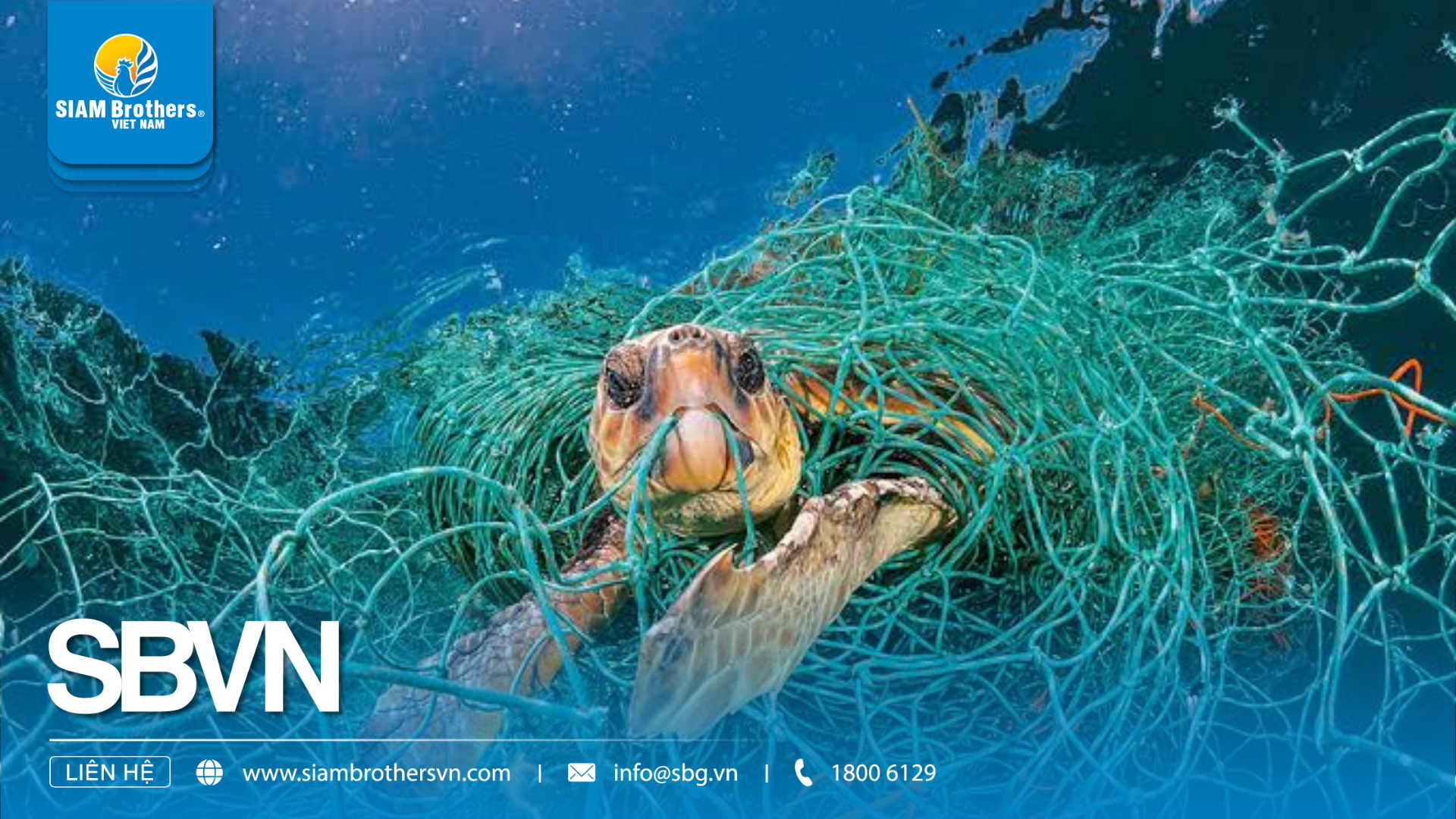
Marine life trapped in ghost net debris. Source: Fisheries Magazine
Marine aquaculture operates in waters that exchange water and materials with surrounding areas. Environmental conditions affect farmed organisms, while farming activities can also influence the local environment.
Uneaten feed and waste from some farming systems can add organic matter and nutrients to the environment. Their effects depend on the scale and method of production, as well as local water conditions (FAO, n.d.-a).
Alongside production management, floats, ropes, nets, and fittings need inspection and collection when replaced. Even a system made with suitable materials requires maintenance and end-of-use management to reduce losses into the sea.
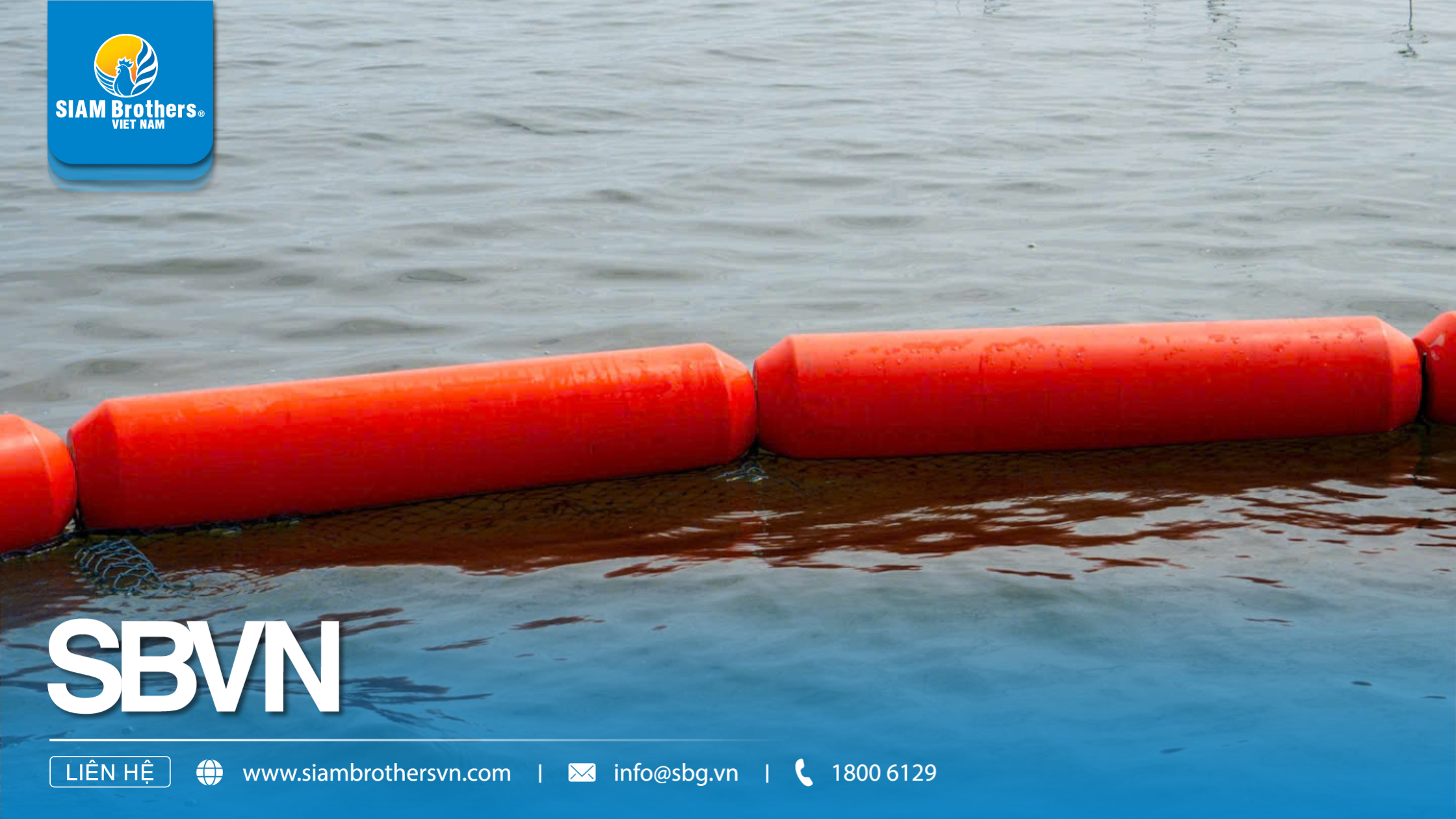
Floating Trash Boom - Source: SIAM Brothers Vietnam
Within marine aquaculture equipment, we offer modular HDPE floats and an eligible used HDPE float collection program. Selecting suitable products, checking them during operation, and returning used equipment to a collection point are practical steps farmers can take. These actions form part of environmental management alongside water-quality monitoring and habitat protection.
Marine life occupies environments ranging from sunlit surface waters to deep ocean trenches. Organisms connect through food webs, the movement of matter, and habitats shared by many species.
Understanding these relationships helps explain the effects of warming, acidification, and marine debris. Ocean protection requires action at several levels, from conserving habitats to managing production activities and the equipment used every day.
Read more: What to Do With Old Fishing Rope: 5 Practical Options
Source: SIAM Brothers Vietnam
Food and Agriculture Organization of the United Nations. (n.d.-a). Coastal aquaculture and the environment: The context. Read the document.
Food and Agriculture Organization of the United Nations. (n.d.-b). Sustainable use and management of plastics in agriculture. Read the resource.
National Oceanic and Atmospheric Administration. (n.d.-a). Are corals animals or plants? Read the article.
National Oceanic and Atmospheric Administration. (n.d.-b). Aquatic food webs. Read the resource.
National Oceanic and Atmospheric Administration. (n.d.-c). Layers of the ocean. Read the resource.
National Oceanic and Atmospheric Administration. (n.d.-d). Ocean acidification. Read the resource.
National Oceanic and Atmospheric Administration. (n.d.-e). Seagrass meadows. Read the resource.
National Oceanic and Atmospheric Administration. (n.d.-g). What is marine snow? Read the article.
National Oceanic and Atmospheric Administration. (n.d.-h). What are plankton? Read the article.
National Oceanic and Atmospheric Administration. (2026, September 23). What is coral bleaching? Read the article.
NOAA Ocean Exploration. (n.d.). What is the difference between photosynthesis and chemosynthesis? Read the article.
Q: Does marine life include only animals?
A: No. The ocean supports animals, plants, algae, and many groups of microorganisms that contribute to marine ecosystems.
Q: Why are plankton important?
A: Phytoplankton produce organic matter through photosynthesis and support many food webs. Zooplankton help transfer energy to other consumers.
Q: Where do deep-sea organisms obtain food without sunlight?
A: Many use organic material sinking from upper waters. Around some hydrothermal vents, chemosynthetic microorganisms produce organic matter using energy from chemical reactions.
Q: Does coral bleaching mean the coral is dead?
A: Not necessarily. Corals may recover when conditions improve, but losing their symbiotic algae and experiencing prolonged stress increases their risk of mortality.
Q: How is marine aquaculture connected to ocean conservation?
A: Farming sites exchange water and materials with their surroundings. Managing farming activities, inspecting equipment, and collecting used materials can help limit impacts arising from production.
Contact us:
Address: 5th floor, VRG Building, 177 Hai Ba Trung Street, Vo Thi Sau Ward, Ho Chi Minh City, Vietnam
Tel: (+84) 28 38 912 889
Hotline: 1800 6129
Facebook: www.facebook.com/siambrothersvn
Email: info@sbg.vn
YouTube: youtube.com/@siambrothersvietnam1728
OA Zalo: zalo.me/1402339229697925373
App SBVN ID:
CHPlay: https://bit.ly/SBVNID-Android
Appstore: https://bit.ly/SBVNID-iOS








Specializing in Agricultural and Fisheries Products & Multipurpose Wire