
- 1800 6129

Climate change, marine pollution, and increasingly stringent international environmental regulations are reshaping the future of the global marine industry. Today, sustainability is no longer viewed as a corporate initiative—it has become a strategic business requirement for companies involved in maritime transportation, ports, coastal infrastructure, aquaculture, tourism, and offshore engineering.
Environmental, Social, and Governance (ESG) principles are now influencing how marine infrastructure is designed, constructed, and operated. Organizations are expected to minimize environmental impacts while improving operational efficiency, strengthening corporate governance, and creating long-term value for stakeholders.
In this article, SIAM Brothers Vietnam explores what ESG in the marine industry means, why it has become a global trend, and how sustainable technologies and innovative marine solutions are helping businesses build resilient infrastructure for the future.
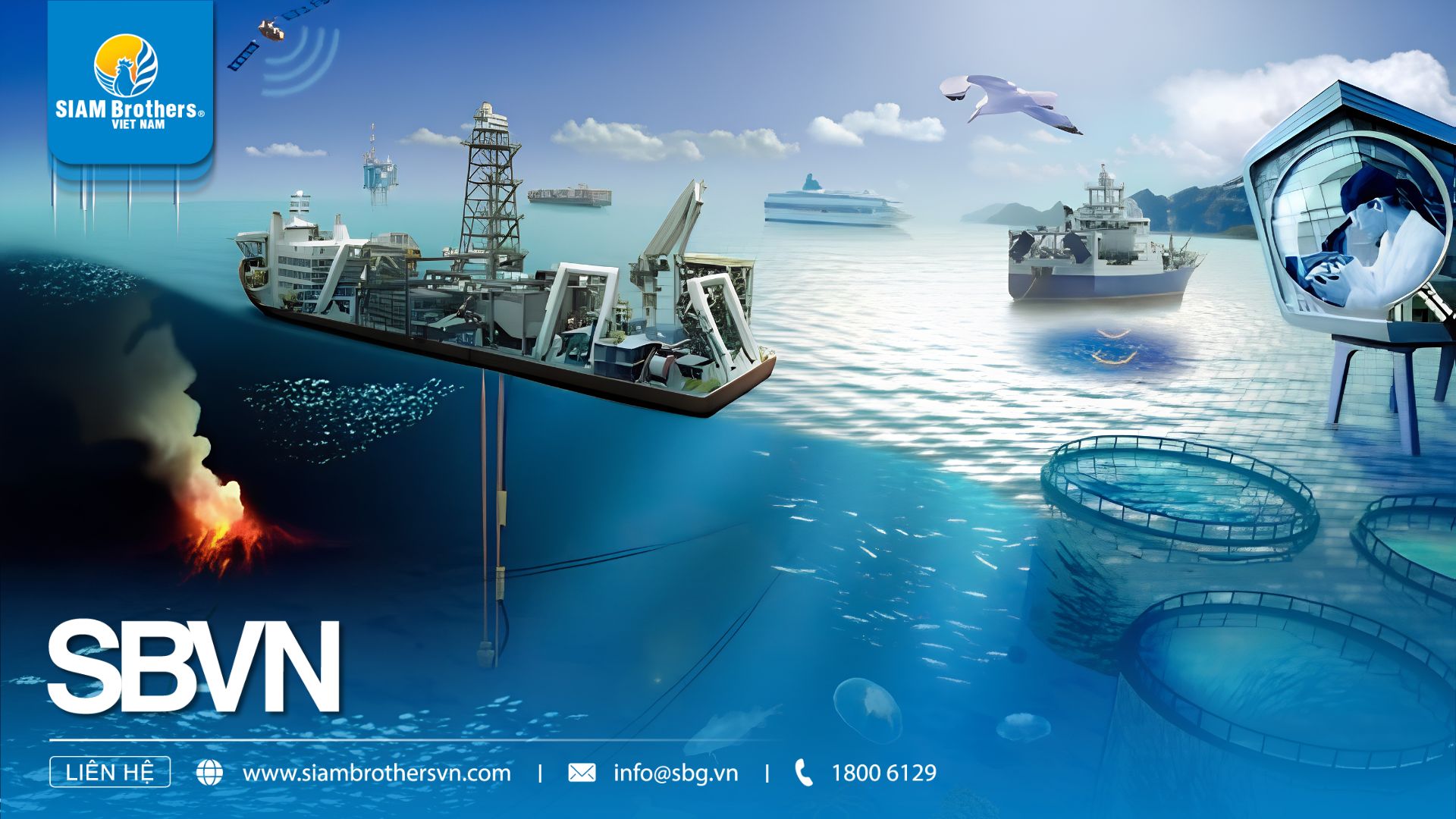
ESG principles driving sustainable marine infrastructure and green port development.
One of the most frequently asked questions today is: What is ESG in the marine industry?
ESG in the marine industry refers to the integration of Environmental, Social, and Governance principles into every aspect of maritime operations, including marine construction, offshore infrastructure, shipping, aquaculture, coastal development, and port management. Rather than focusing solely on financial performance, ESG encourages organizations to balance economic growth with environmental protection and social responsibility.
For decades, the marine industry has played a vital role in global trade, food production, transportation, and coastal economic development. However, rapid industrialization has also contributed to greenhouse gas emissions, marine pollution, habitat degradation, and the depletion of coastal ecosystems.
As governments tighten environmental regulations and investors increasingly prioritize responsible businesses, ESG has evolved from a voluntary initiative into a strategic necessity. International customers, financial institutions, and global supply chains now expect companies to demonstrate measurable commitments toward sustainability.
For marine infrastructure projects, ESG also promotes smarter engineering practices. Businesses are encouraged to invest in durable materials, optimize product life cycles, reduce maintenance requirements, and minimize the environmental footprint throughout the lifespan of marine structures.
Ultimately, companies that successfully integrate ESG principles are better positioned to improve operational resilience, strengthen their reputation, and remain competitive in an increasingly sustainability-driven marketplace.
For more infomation 5 Common Fishing Gears in Marine Fisheries: Structure, Characteristics, and Applications
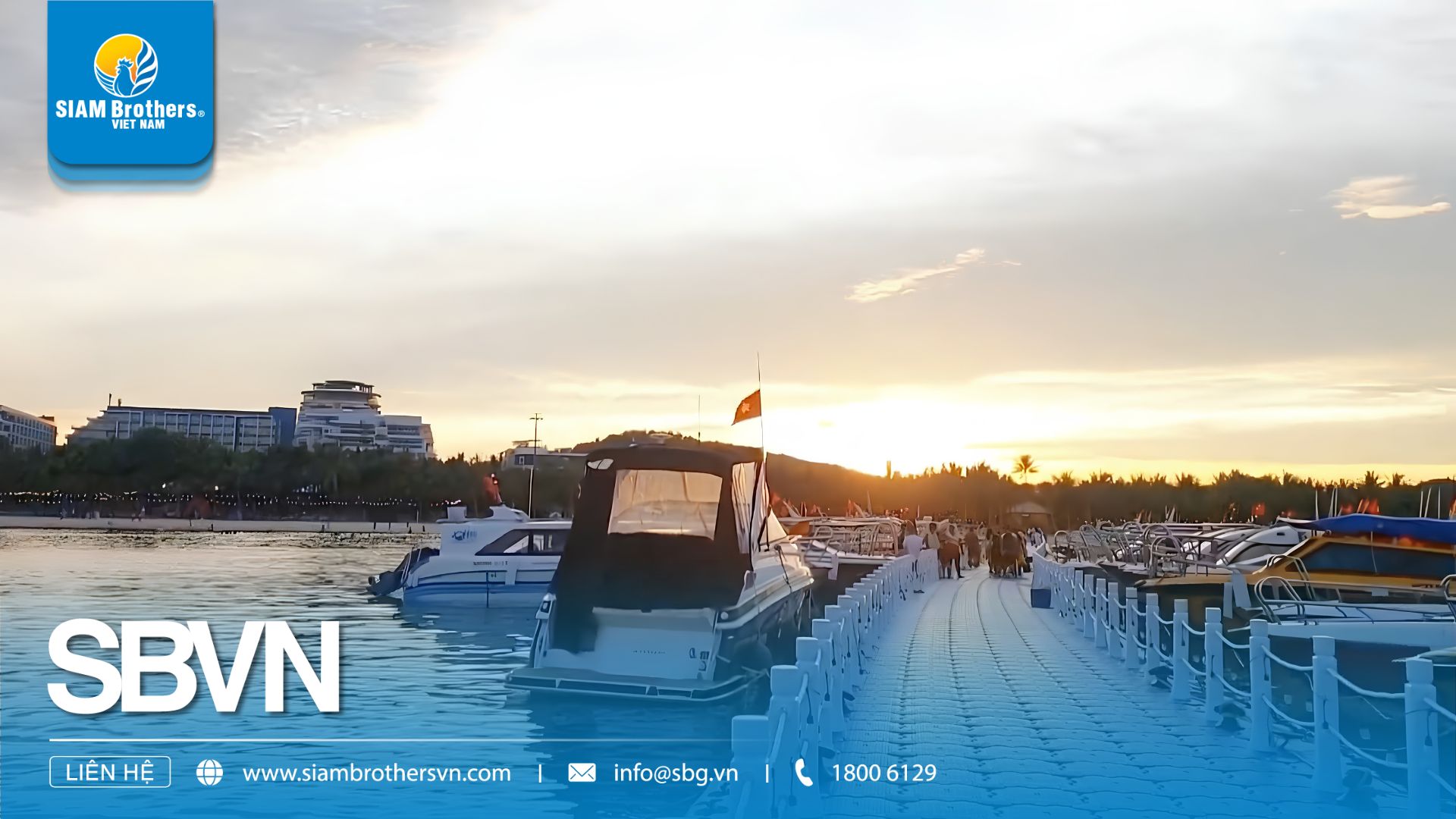
Modern HDPE floating systems supporting sustainable marine infrastructure.
The adoption of ESG in the marine industry is fundamentally changing how marine infrastructure is planned, designed, and maintained. Instead of focusing only on initial investment costs, project developers are increasingly evaluating long-term environmental performance, operational efficiency, and lifecycle value.
One of the most significant changes is the growing preference for sustainable construction materials that offer exceptional durability while minimizing environmental impact. Traditional materials such as untreated timber or conventional steel often require extensive maintenance due to corrosion, saltwater exposure, and harsh weather conditions. These factors increase operational costs and generate additional waste over time.
As a result, innovative materials such as High-Density Polyethylene (HDPE) have become increasingly popular across numerous marine applications. HDPE floating docks, modular pontoons, floating marinas, aquaculture cages, navigation buoys, and floating platforms provide outstanding resistance to corrosion, UV radiation, and seawater exposure while maintaining structural integrity for many years.
Another major trend is the adoption of modular marine infrastructure. Modular floating systems allow operators to expand, relocate, or reconfigure facilities with minimal environmental disturbance. This flexibility reduces construction waste, supports efficient resource utilization, and aligns with the principles of the circular economy.
Digital technologies are also becoming essential components of ESG implementation. Smart monitoring systems, IoT sensors, predictive maintenance, and real-time data analytics enable operators to monitor infrastructure performance continuously, detect issues before failures occur, and optimize maintenance schedules.
Together, these innovations improve safety, reduce operating costs, extend infrastructure lifespan, and contribute to a more sustainable marine industry.
For companies like SIAM Brothers Vietnam, these global trends represent an opportunity to develop innovative marine solutions that combine engineering performance with environmental responsibility, supporting the transition toward a more resilient blue economy.
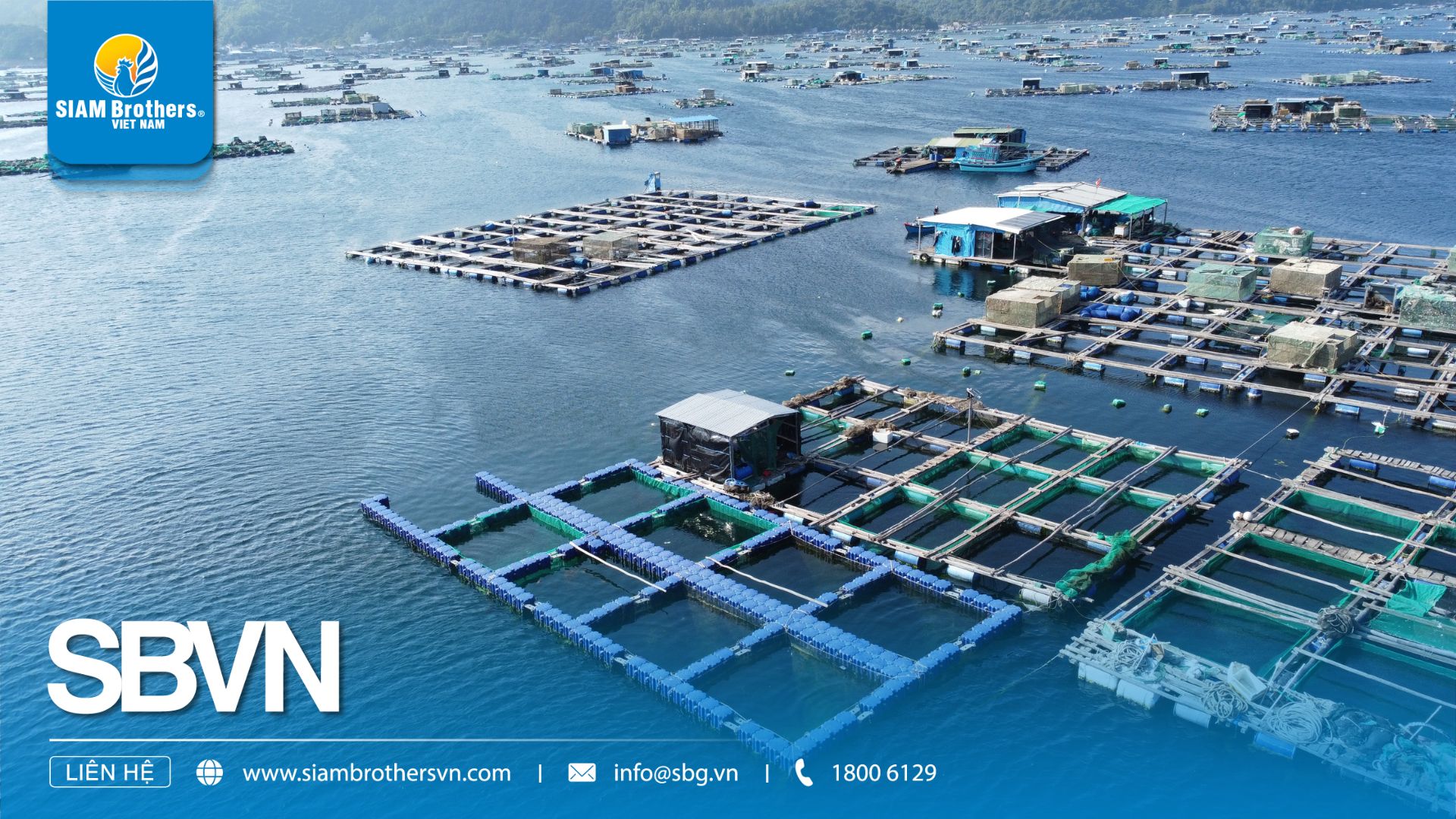
Virgin HDPE floating dock system supporting sustainable marine infrastructure.
One of the most important pillars of ESG in the marine industry is the selection of sustainable materials. Every material used in marine construction directly affects the lifespan of infrastructure, maintenance costs, operational efficiency, and environmental impact throughout the project's lifecycle.
Historically, marine structures relied heavily on timber, steel, and reinforced concrete. While these materials have served the industry for decades, they are often vulnerable to corrosion, biological degradation, saltwater exposure, and harsh weather conditions. Frequent repairs and replacements not only increase operational costs but also consume additional natural resources and generate construction waste.
Today, engineered polymers such as High-Density Polyethylene (HDPE) have become a preferred solution for modern marine infrastructure. HDPE offers exceptional resistance to corrosion, UV radiation, seawater, and chemicals, making it particularly suitable for demanding coastal and offshore environments.
Another major advantage of HDPE is its long service life. By extending the operational lifespan of marine structures, businesses can significantly reduce maintenance requirements, minimize downtime, and lower the total cost of ownership. These benefits align perfectly with ESG objectives by promoting resource efficiency and reducing the environmental footprint over the entire lifecycle of a project.
HDPE also supports the principles of the circular economy. When properly collected and processed at the end of its service life, HDPE materials can be recycled and reused, reducing the demand for virgin raw materials and minimizing waste generation.
Today, HDPE is widely used in applications including floating docks, marina pontoons, aquaculture cages, floating platforms, navigation buoys, and coastal protection systems. These solutions enable marine infrastructure developers to achieve greater durability while supporting long-term sustainability goals.
As a manufacturer of marine products and floating solutions, SIAM Brothers Vietnam continuously develops high-quality HDPE products designed to meet the growing demand for sustainable marine infrastructure in both domestic and international markets.
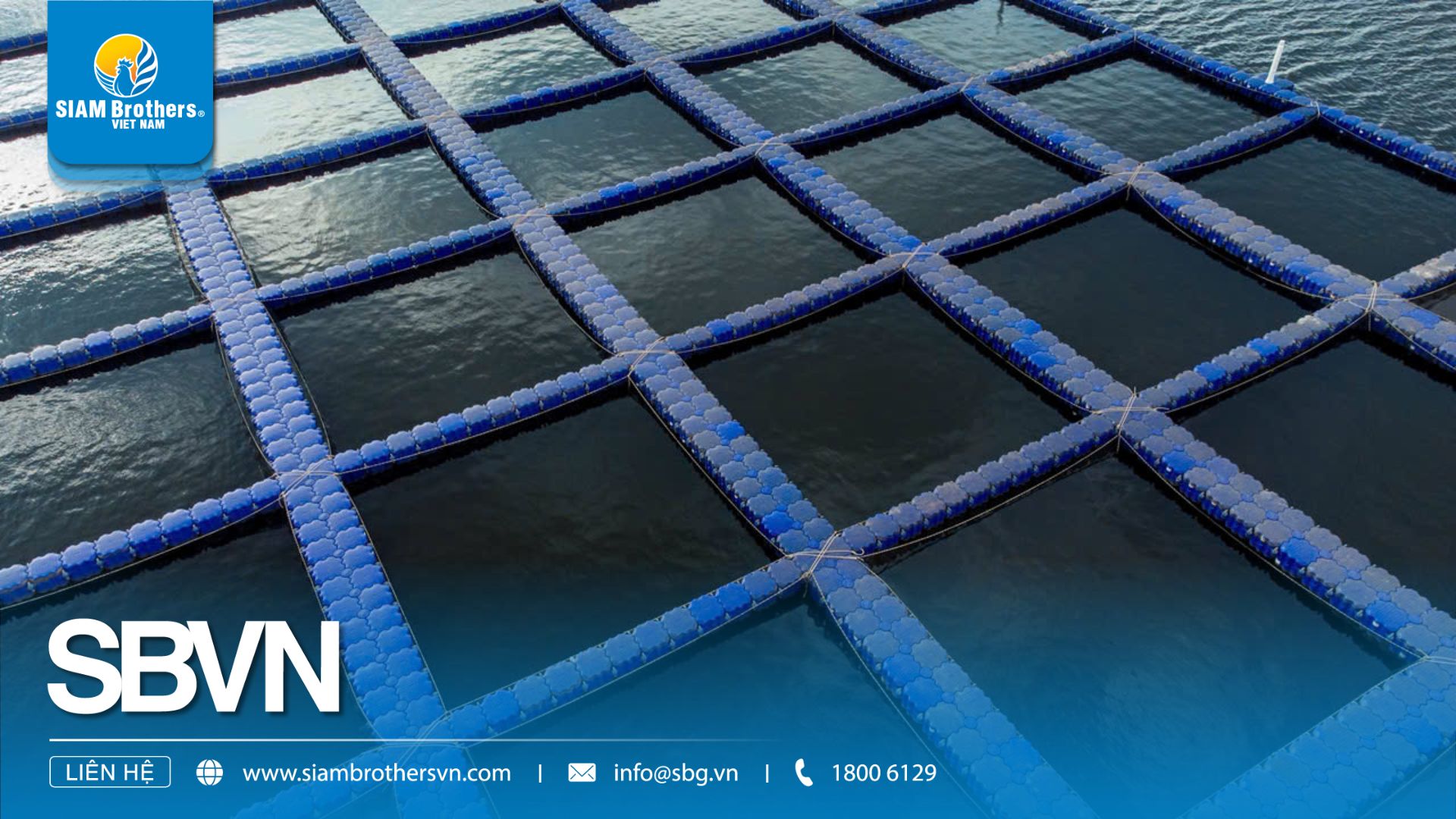
ESG applications across ports, aquaculture, marine tourism, and offshore infrastructure.
The influence of ESG in the marine industry extends across virtually every segment of the blue economy. From commercial ports and aquaculture farms to tourism facilities and offshore infrastructure, sustainability has become a key consideration in project planning and investment decisions.
Ports are rapidly evolving into smart, sustainable logistics hubs. Operators are investing in energy-efficient equipment, low-emission technologies, renewable energy systems, and environmentally responsible infrastructure.
Floating dock systems and modular marina platforms are becoming increasingly popular because they require less permanent construction, reduce disruption to marine ecosystems, and provide greater flexibility for future expansion. These solutions also simplify maintenance and allow facilities to adapt more easily to changing operational demands.
Aquaculture is undergoing significant transformation as producers seek environmentally responsible farming methods that improve productivity while protecting marine ecosystems.
Traditional floating cages constructed from conventional materials often require frequent maintenance and replacement due to corrosion and weather-related damage. In contrast, HDPE aquaculture cages offer superior durability, excellent resistance to harsh marine environments, and lower lifecycle maintenance costs.
More importantly, longer-lasting infrastructure reduces material consumption, minimizes waste generation, and contributes to more sustainable seafood production.
Marine tourism continues to expand worldwide, creating growing demand for environmentally responsible waterfront infrastructure.
Resorts, recreational marinas, yacht clubs, and waterfront destinations increasingly prioritize floating platforms, modular docks, and eco-friendly marine facilities that preserve natural coastlines while delivering premium visitor experiences.
Because modular floating systems can be installed with minimal disturbance to the seabed and surrounding ecosystems, they have become an attractive option for tourism developers seeking to balance environmental conservation with commercial growth.
Offshore wind farms, oil and gas platforms, coastal monitoring stations, and other offshore facilities operate under some of the world's harshest environmental conditions.
These projects require materials capable of resisting corrosion, UV exposure, heavy waves, and extreme weather over many years of continuous operation.
Selecting durable, low-maintenance infrastructure not only improves operational safety but also reduces maintenance activities, vessel movements, and overall environmental impact—key objectives of ESG implementation.
For more infomation What Are the Advantages of a High-Tech Shrimp Farming Model Using HDPE Plastic Floats?
Implementing ESG in the marine industry delivers far more than environmental benefits. It creates long-term business value by improving operational performance, strengthening market competitiveness, and reducing financial risk.
One of the most immediate advantages is lower lifecycle costs. Investing in durable infrastructure and sustainable materials significantly reduces maintenance expenses, replacement frequency, and operational downtime throughout the lifespan of marine assets.
ESG also enhances a company's ability to compete in international markets. Global customers, investors, and supply chain partners increasingly evaluate suppliers based on sustainability performance alongside product quality and pricing. Businesses that demonstrate responsible environmental and governance practices are often better positioned to secure international contracts and long-term partnerships.
In addition, ESG strengthens corporate reputation. Organizations that actively invest in sustainable development are more likely to gain trust from stakeholders, local communities, regulators, and financial institutions. A strong ESG profile can also improve access to green financing opportunities and sustainability-linked investment programs.
Beyond financial performance, ESG helps businesses prepare for future regulatory changes. As environmental standards continue to evolve worldwide, companies that proactively adopt sustainable practices will be better equipped to manage compliance risks while maintaining operational resilience.
Ultimately, ESG is no longer simply a compliance requirement—it has become a strategic framework for building a stronger, more competitive, and future-ready marine business.
For more infomation HDPE Material Trends in Aquaculture: Sustainable Solutions for Modern Marine Farming
As ESG standards continue to reshape the global maritime sector, businesses can no longer afford to view sustainability as a future objective. Instead, ESG should be integrated into long-term business strategies, investment planning, and infrastructure development from the earliest stages of every project.
The first step toward ESG implementation is understanding where your organization stands today. Businesses should assess their environmental impact, material consumption, energy efficiency, maintenance practices, and asset lifecycle management.
Conducting a comprehensive sustainability assessment helps identify opportunities to improve operational efficiency while reducing environmental impact. It also provides valuable data for future ESG reporting and regulatory compliance.
One of the most effective ways to support ESG objectives is by investing in infrastructure designed for long-term performance.
Marine structures with extended service lives require fewer replacements, consume fewer resources, and significantly reduce maintenance-related emissions throughout their operational lifecycle. Selecting corrosion-resistant materials, modular systems, and durable floating solutions helps maximize lifecycle value while minimizing environmental impact.
Rather than focusing solely on initial capital expenditure, businesses should consider the total lifecycle cost of marine infrastructure—a key principle within sustainable asset management.
Digital transformation has become an important enabler of ESG implementation.
Smart sensors, IoT-based monitoring systems, predictive maintenance platforms, and real-time infrastructure analytics allow operators to optimize maintenance schedules, detect potential failures early, and improve operational safety.
By reducing unnecessary inspections, emergency repairs, and equipment downtime, smart technologies help lower operating costs while contributing to more sustainable marine operations.
ESG extends beyond individual companies. Increasingly, global customers evaluate the sustainability performance of the entire supply chain.
Working with suppliers that emphasize quality manufacturing, durable materials, responsible production, and continuous innovation helps businesses strengthen their ESG performance while ensuring long-term project reliability.
Choosing trusted partners also reduces project risks and supports consistent compliance with evolving international sustainability standards.
HDPE floating docks, pontoons, and aquaculture solutions developed by SIAM Brothers Vietnam.
As ESG in the marine industry becomes an essential consideration for infrastructure developers and marine operators, the demand for durable, environmentally responsible products continues to grow.
With decades of experience serving the marine, fisheries, and offshore sectors, SIAM Brothers Vietnam is committed to developing innovative floating solutions that support sustainable coastal and marine infrastructure.
The company's portfolio includes HDPE floating docks, modular pontoon systems, HDPE aquaculture cages, navigation buoys, warning buoys, and other floating infrastructure designed to perform reliably in challenging marine environments.
Built using high-quality HDPE materials, these products offer outstanding resistance to corrosion, UV exposure, saltwater, and harsh weather conditions. Their modular design also enables flexible installation, future expansion, relocation, and simplified maintenance, helping project owners reduce lifecycle costs while improving operational efficiency.
By focusing on product durability, engineering quality, and long-term value, SIAM Brothers Vietnam contributes to the development of resilient marine infrastructure that aligns with modern ESG principles and supports the sustainable growth of the blue economy.
ESG in the marine industry refers to the application of Environmental, Social, and Governance principles across maritime operations, marine infrastructure, aquaculture, ports, offshore engineering, and coastal development. Its goal is to promote responsible business practices while balancing economic growth, environmental protection, and social responsibility.
The marine sector faces growing challenges related to climate change, carbon emissions, marine pollution, and stricter environmental regulations. ESG helps businesses improve sustainability, strengthen competitiveness, attract investment, and meet the expectations of international customers and supply chains.
HDPE offers excellent resistance to corrosion, UV radiation, chemicals, and seawater while requiring minimal maintenance. Its long service life reduces replacement frequency and resource consumption, and the material can be recycled at the end of its lifecycle through appropriate recycling processes.
ESG principles provide significant benefits across multiple sectors, including:
Commercial ports
Marina developments
Aquaculture
Coastal tourism
Offshore energy
Floating infrastructure
Navigation systems
Coastal engineering projects
Businesses should begin by evaluating their current environmental performance, selecting durable and sustainable materials, adopting smart asset management technologies, improving supply chain sustainability, and working with experienced solution providers that support long-term ESG objectives.
The transition toward ESG in the marine industry is fundamentally transforming how marine infrastructure is designed, built, and managed around the world. Sustainability is no longer an optional initiative—it has become a critical driver of competitiveness, innovation, and long-term business success.
Organizations that invest in durable materials, resilient infrastructure, digital technologies, and responsible engineering practices will be better positioned to reduce lifecycle costs, improve operational efficiency, meet international sustainability standards, and create lasting value for customers and stakeholders.
As the global blue economy continues to evolve, ESG will remain a key foundation for building smarter, safer, and more sustainable marine infrastructure for future generations.
Looking for reliable and sustainable marine infrastructure solutions?
SIAM Brothers Vietnam offers a comprehensive range of HDPE floating dock systems, modular pontoons, aquaculture cages, navigation buoys, warning buoys, and other marine floating solutions designed to withstand demanding coastal and offshore environments while supporting long-term sustainability goals.
Visit TRADING PRODUCTS | Siam Brothers VietNam to explore our complete product portfolio and discover how our innovative marine solutions can support your next project.
Cre SIAM Brothers Vietnam
Contact us:
Address: 5th Floor, VRG Building, No.177 Hai Ba Trung, Vo Thi Sau Ward, Dist. 3, Ho Chi Minh City, Vietnam.
Tel: (+84) 28 38 912 889
Hotline: 1800 6129
Fanpage: facebook.com/siambrothersvn
Email: info@sbg.vn
Youtube: youtube.com/@siambrothersvietnam1728
X: https://x.com/sbvnjsc
OA Zalo: zalo.me/1402339229697925373
App SBVN ID:
CHPlay: https://bit.ly/SBVNID-Android
Appstore: https://bit.ly/SBVNID-iOS








Specializing in Agricultural and Fisheries Products & Multipurpose Wire